How Weight Lifting Gloves Can Improve Grip During Different Gym Exercises
Author : Jack Wilson | Published On : 19 Aug 2026
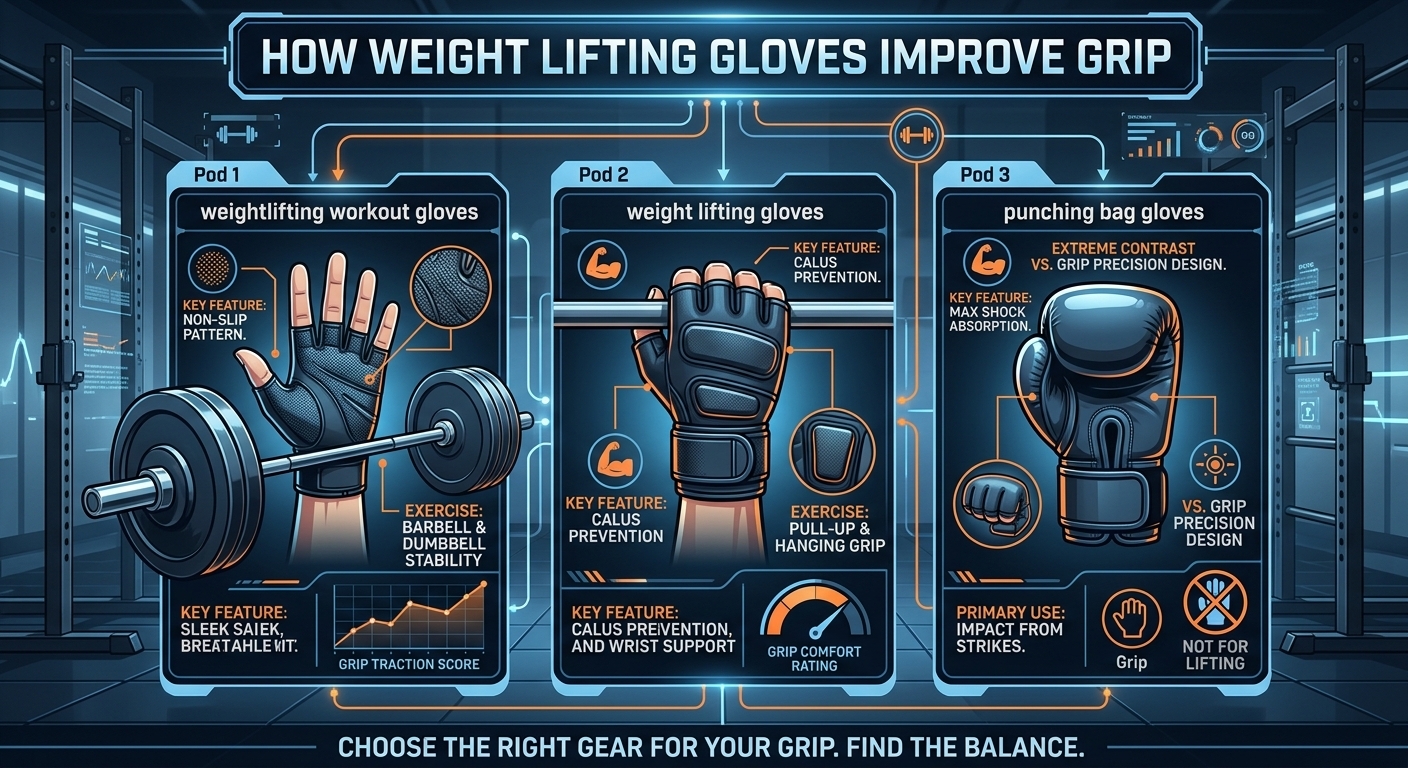
This is where weightlifting workout gloves can be useful. They create a comfortable surface between your hands and the equipment while helping reduce sweat and friction. The right gloves can also make longer training sessions feel more comfortable. Understanding how gloves affect grip can help you choose and use them more effectively during different types of workouts.
How Weightlifting Workout Gloves Support a Better Grip
Weightlifting workout gloves can give your hands a more secure contact with bars, dumbbells, and other gym equipment. The material between your palm and the handle can help reduce slipping, especially when your hands become sweaty during a hard session. This can be useful during exercises where you need to hold the equipment for several seconds at a time. A steadier grip can also help you concentrate on your movement instead of constantly thinking about whether the handle might move inside your hand.
Gloves can also reduce some of the discomfort caused by repeated contact with rough or textured handles. During exercises such as pull-ups, rows, and deadlifts, your palms may experience pressure in the same areas again and again. A well-fitting pair of weight lifting gloves can provide a layer between your skin and the equipment. This does not replace grip training, but it can make certain exercises more comfortable and allow you to focus on controlled movement throughout your workout.
Why Grip Matters During Strength Training
Grip is closely connected to many upper-body and full-body exercises. When you hold a barbell or dumbbell, your hands need to maintain enough pressure to keep the equipment under control. If your grip becomes weak before the muscles you want to train are tired, the set may end earlier than planned. For example, during a dumbbell row, losing your hold can interrupt the exercise before your back receives the intended amount of work. A stable hand position helps you maintain consistent technique.
Grip also matters because gym equipment can become harder to hold as fatigue builds. Early in a workout, your hands may feel fresh and secure, but several sets later, sweat and tired forearms can change how the handle feels. Weightlifting workout gloves can provide a consistent contact point during these later sets. They are especially useful for people who train with moderate or high repetitions, where maintaining a steady hold over many repetitions can become challenging.
Using Weight Lifting Gloves for Dumbbell Exercises
Dumbbell exercises often require you to control an individual weight with each hand. Movements such as bicep curls, shoulder presses, lateral raises, and dumbbell rows all depend on maintaining a steady grip. If a dumbbell shifts inside your hand, your wrist position can change as well. Weight lifting gloves can help create a more comfortable connection with the handle. This may make it easier to keep your wrist and hand in a natural position while completing each repetition.
The benefit can be more noticeable during longer dumbbell sessions. Suppose you are performing three sets of fifteen curls. Your arms may still have enough strength for the final few repetitions, but sweaty palms could make the handles harder to hold. Gloves can help reduce that problem by giving your hands a more consistent surface. They should not be so thick that they interfere with your ability to feel the dumbbell, though. A comfortable fit is important for controlled movement.
Grip Support During Barbell Exercises
Barbell exercises place considerable demands on the hands because both hands must maintain contact with one long handle. Deadlifts, bent-over rows, shrugs, and certain presses all require a firm hold. During a deadlift, for instance, the bar must remain secure while you lift it from the floor. If your hands begin to open before your legs and back are ready to stop, grip can become the limiting factor. Gloves may provide additional comfort between your palms and the bar during these movements.
However, gloves are not a replacement for developing natural grip strength. Heavy lifters may sometimes prefer direct contact with the bar because it gives them a closer feel for the equipment. For moderate loads and general fitness training, weightlifting workout gloves can be useful when sweaty hands or palm discomfort affects your training. The important point is to choose gloves that fit closely without restricting your fingers or making the bar feel unusually large.
How Gloves Help During Pulling Exercises
Pulling exercises often place a strong demand on your hands and forearms. Pull-ups, lat pulldowns, cable rows, and machine rows all require you to keep holding an attachment while your back and arms perform the main movement. When your hands become tired, it can become difficult to maintain the same pressure on the handle. Weight lifting gloves may help by creating a more comfortable gripping surface during repeated pulling movements.
Consider a seated cable row performed for several sets. At the start, holding the handle may feel easy, but your palms can become sweaty as your workout continues. A more secure grip can help you maintain your hand position and focus on pulling the handle toward your body with control. Gloves can also reduce direct rubbing between your skin and the handle. This can be useful when you train regularly and notice that your palms become uncomfortable during frequent pulling exercises.
The Role of Punching Bag Gloves in Grip and Hand Control
Punching bag gloves serve a different purpose from standard gym gloves, but grip and hand control still matter when working with a heavy bag. These gloves are designed to protect the hands and wrists during repeated punching. They keep the hand in a controlled position while the athlete strikes the bag. Unlike ordinary weight lifting gloves, they are built around striking movements rather than gripping barbells or dumbbells, so they should be selected according to the activity being performed.
During bag training, the glove should allow the hand to remain properly positioned inside while the wrist stays supported. A loose or poorly fitted glove can make the hand feel unstable and may interfere with proper punching technique. Although punching bag gloves are not intended to replace strength-training gloves, they show how different glove designs can serve different grip needs. Using the correct glove for each activity is more practical than trying to use one pair for every type of training.
Grip During Kettlebell and Functional Exercises
Kettlebell movements can be especially demanding on the hands because the weight may move through different positions during each repetition. Swings, cleans, rows, and carries require you to keep control while the kettlebell changes direction. A secure grip helps you guide the weight through the movement instead of letting it pull against your fingers. Weightlifting workout gloves may be helpful when sweat or repeated contact makes the handle uncomfortable during these exercises.
Functional workouts can also involve movements that combine strength, balance, and repeated motion. Farmer's carries are a simple example because the weights remain in your hands while you walk. If your grip begins to fail, the exercise becomes difficult even when your legs and core still have plenty of capacity. Gloves can make the handle easier to hold for some people. Still, gradually training your grip without relying entirely on gloves remains a useful part of overall strength development.
Choosing the Right Weight Lifting Gloves for Your Workout
The best weight lifting gloves should fit your hands without feeling loose or overly tight. Your fingers should be able to move naturally, and the palm should remain covered without creating excessive material between your hand and the equipment. Look for a design that feels secure when you close your hand around a bar or dumbbell. If the glove moves while you exercise, it can become distracting rather than helpful. Trying the gloves with the type of equipment you normally use can give you a better idea of the fit.
Consider the exercises you perform most often before choosing a pair. Someone who mainly uses dumbbells may have different needs from someone who spends most of the session doing pull-ups and rows. If you also practice striking, keep punching bag gloves separate from your regular gym gloves because the construction and purpose are different. The goal is not to find the thickest glove available. It is to find a comfortable fit that allows you to maintain control without changing the way you naturally hold the equipment.
When You Should Train Without Gloves
Gloves can be useful, but there are times when training without them may help you work directly on grip strength. Exercises such as dead hangs, light carries, and controlled barbell holds can challenge the hands and forearms without an extra layer between the skin and equipment. This can be useful for people who want to build stronger hands over time. It is also worth paying attention to how your grip feels during different exercises rather than automatically wearing gloves for every movement.
There is no need to treat gloves as either necessary or unnecessary for every workout. Many people use them for selected exercises and train without them for others. For example, you might wear weightlifting workout gloves during high-repetition dumbbell work but train some lighter grip exercises with bare hands. This approach lets you work on natural grip strength while still using gloves when comfort or sweat becomes a concern. Your choice should depend on your training goals, comfort, and ability to control the equipment safely.
Practical Ways to Get More From Your Gym Gloves
Using gloves correctly starts with keeping them clean and checking their fit regularly. Sweat can build up inside training gloves, so allowing them to air out after a workout can help keep them more comfortable for the next session. You should also pay attention to changes in the material, stitching, or fit. If the gloves begin shifting around your hands, they may no longer provide the same level of support. Simple care can help you get consistent use from your training gear.
It is also helpful to match glove use to the demands of each exercise. Wear weight lifting gloves when they make a bar, dumbbell, cable handle, or kettlebell easier for you to control, but do not depend on them to solve every grip problem. If your hands regularly fail before your target muscles, consider reducing the weight, improving your technique, or adding separate grip exercises to your routine. Good equipment choices work best when combined with sensible training habits.
Conclusion: Making Grip a Bigger Part of Your Training
Grip affects far more gym exercises than many people realize. From dumbbell curls and barbell rows to deadlifts, kettlebell swings, and carries, your hands play an important role in keeping equipment under control. Weightlifting workout gloves can help reduce slipping and palm discomfort while giving you a more consistent contact point during many exercises.
At the same time, they should not replace basic grip training or good exercise technique. Weight lifting gloves and punching bag gloves also serve different purposes, so choosing the right type for the activity matters. The best approach is simple: use gloves when they make training more comfortable and controlled, while continuing to build your natural grip strength. With the right balance, your hands can better support the rest of your workout
