How Weather Changes Can Affect Garage Door Performance
Author : Phil’s Garage Doors | Published On : 28 Oct 2026
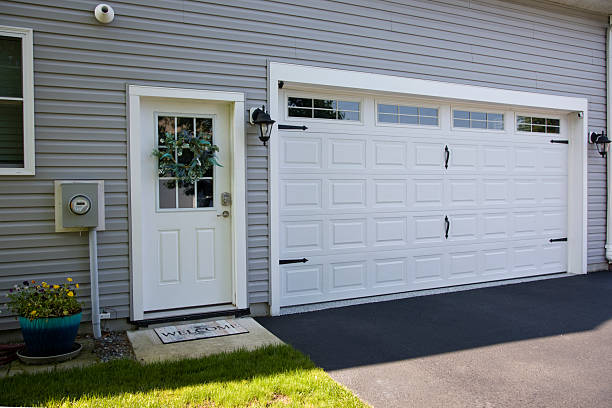
A garage door is exposed to changing weather throughout the year. From hot summer days and heavy rain to high humidity and strong winds, different weather conditions can affect how smoothly a garage door opens and closes. These changes can put stress on the door's moving parts, affect its balance, and cause problems with the opener.
For homeowners in Florida, weather-related garage door issues are especially important because heat, moisture, storms, and coastal conditions can affect both the door and its hardware. Regular inspections and proper maintenance can help prevent unexpected breakdowns and keep the door operating safely.
Understanding how weather affects garage door performance makes it easier to identify early warning signs and decide when professional help is needed. Here are the most common weather-related problems and the steps homeowners can take to protect their garage doors.
1. High Temperatures Can Affect Garage Door Components
Hot weather can affect several garage door components, including metal tracks, springs, rollers, seals, and the opener. When temperatures rise, metal parts can expand slightly. Although this expansion is usually small, it can contribute to alignment or movement problems when combined with worn hardware or an existing installation issue.
Heat can also affect the materials used in garage doors. Some plastic components may become more vulnerable to wear, while rubber weatherstripping can dry out, crack, or lose flexibility over time. A damaged seal may allow hot air, dust, and moisture to enter the garage.
Garage door openers can also experience problems during periods of extreme heat. An opener that is already worn or poorly ventilated may overheat, particularly when the door is used frequently.
How to reduce heat-related problems:
-
Inspect the weatherstripping for cracks or gaps.
-
Keep the garage door tracks free from dirt and debris.
-
Check for unusual noises or slower movement.
-
Avoid repeated operation if the opener becomes unusually hot or stops working.
If the door struggles to move or becomes noisy during hot weather, a professional inspection can help identify the cause before the problem becomes more serious.
2. Humidity Can Lead to Rust and Corrosion
Florida's humid climate creates conditions that can encourage corrosion on metal garage door components. Springs, hinges, brackets, tracks, and other exposed hardware may gradually develop rust when they are repeatedly exposed to moisture.
Rust can weaken metal parts and increase friction between moving components. As a result, the door may become noisier, move unevenly, or require more effort to open and close. In severe cases, corrosion can contribute to hardware failure.
Humidity can also affect wooden garage doors. Wood absorbs moisture from the air, which may cause it to swell, warp, or become difficult to move. Changes in moisture levels can affect painted finishes and protective coatings as well.
Homeowners can reduce humidity-related damage by checking exposed hardware, maintaining protective finishes, and addressing water leaks around the garage. Proper ventilation may also help reduce moisture buildup inside the garage.
Avoid applying random household oils or grease to the tracks. Garage door systems require appropriate lubricants for specific moving parts, and the wrong product can attract dirt or interfere with smooth operation.
If you notice significant rust, damaged springs, or a door that has become difficult to lift, arrange professional garage door service instead of attempting to repair the hardware yourself.
3. Heavy Rain Can Affect Garage Door Seals and Sensors
Heavy rain is another common cause of garage door problems. When rainwater collects near the garage entrance, it can seep beneath a worn bottom seal or enter through gaps around the door frame.
Water entering the garage can damage stored belongings, affect flooring, and increase indoor moisture. If water reaches electrical components or the opener, it may also create operational or safety concerns.
Garage door safety sensors can be affected when moisture, dirt, or debris interferes with their operation. These sensors help prevent the door from closing when an obstruction is detected. If they become wet, dirty, misaligned, or damaged, the door may refuse to close or reverse unexpectedly.
To reduce rain-related issues, inspect the bottom seal and side weatherstripping regularly. Make sure the area around the garage entrance drains properly and that water does not collect near electrical equipment.
After heavy rain, check the garage floor for standing water and look for signs of moisture around the door frame. If the opener or its electrical connections have been exposed to water, stop using the system and arrange a qualified inspection.
For additional guidance, homeowners can review these Florida garage door maintenance tips to understand how regular care can help protect their garage door in the local climate.
4. Strong Winds and Storms Can Damage Garage Doors
Strong winds can place considerable pressure on a garage door, particularly during severe thunderstorms and hurricanes. A closed garage door can act like a large surface against which wind pushes. If the door is not designed or installed to handle the relevant wind loads, it may bend, separate from its tracks, or suffer damage to its panels and hardware.
A damaged garage door can compromise the security of the garage and potentially expose the home to further damage. Wind-driven rain and flying debris may also damage weatherstripping, windows, and exterior components.
Homeowners in storm-prone areas should understand the wind-resistance rating of their garage doors and follow local building requirements. Impact-rated or wind-rated doors may be appropriate depending on the property and applicable codes.
Before storm season, check for loose hardware, damaged panels, worn seals, and signs of track misalignment. Follow the manufacturer's instructions for preparing the door for severe weather.
Never attempt to force a door back into position after strong winds have bent its panels or damaged the tracks. A professional can determine whether the door can be repaired safely or requires replacement.
5. Temperature Changes Can Affect Garage Door Balance
Although Florida does not experience the same prolonged freezing conditions as many northern states, temperature fluctuations can still influence garage door performance. Changes in temperature can affect metal components, door materials, and the flexibility of seals.
A garage door that is already poorly balanced may become more difficult to operate when these conditions combine with friction, worn rollers, or alignment problems.
The springs are especially important because they counterbalance the door's weight. If a spring is worn or damaged, the opener may have to work harder, increasing strain on the motor and other components.
Warning signs of a balance or spring problem include a door that moves unevenly, stops partway, makes loud noises, or feels unusually heavy during manual operation.
Garage door springs are under significant tension and can cause serious injuries if handled incorrectly. Do not attempt to adjust or replace them yourself. A trained technician can inspect the springs, cables, tracks, and opener to determine why the door is struggling.
6. Cold Weather Can Make Some Doors Move Slowly
Even in warmer regions, occasional cold spells can affect certain garage door components. Rubber seals may become less flexible, while lubricants that are unsuitable for the conditions may become thicker and increase resistance.
Moisture can also collect around the bottom seal and, during unusually cold weather, freeze to the ground. When this happens, attempting to open the door can strain the opener or damage the seal.
If a garage door does not move during a cold spell, check whether the bottom seal is stuck to the ground. Do not force the opener to lift a door that appears frozen in place. Remove loose snow or debris where applicable and allow ice to thaw safely without using open flames or excessive heat.
Use a lubricant recommended by the manufacturer and keep the bottom seal clean and in good condition. If the door continues to move slowly after the weather improves, have the system inspected for mechanical wear or alignment problems.
7. How Regular Maintenance Helps Prevent Weather-Related Damage
Regular maintenance is one of the most effective ways to reduce weather-related garage door problems. It helps identify minor issues before they develop into costly repairs or unexpected breakdowns.
A simple maintenance routine should include checking the door panels, inspecting weatherstripping, clearing debris from the tracks, and observing the door during normal operation. Listen for grinding, squeaking, or unusual popping sounds, and pay attention to any change in opening or closing speed.
Homeowners should also inspect the area around the safety sensors and make sure nothing blocks their path. Test the door's safety features according to the manufacturer's instructions, keeping people and objects clear of the moving door.
A professional inspection is useful when the door is noisy, uneven, damaged, or slow to operate. Technicians can assess springs, cables, rollers, hinges, tracks, and opener settings. They can also identify corrosion or storm damage that may not be obvious during a basic visual check.
For more serious problems, professional garage door repair can help restore safe and reliable operation. Prompt attention may also prevent a minor weather-related issue from placing additional strain on the entire system.
8. When Should You Call a Garage Door Professional?
Some weather-related issues can be identified through a visual inspection, but mechanical repairs should be handled by a qualified technician. Contact a professional if the garage door becomes crooked, leaves its tracks, reverses repeatedly, or makes loud snapping or grinding sounds.
You should also arrange an inspection if the door will not close fully, the opener repeatedly stops, or the springs and cables show signs of damage. After a severe storm, have any visibly bent panels, loose tracks, or damaged mounting hardware assessed before operating the door again.
Do not stand beneath a damaged door or attempt to lift it if its balance is uncertain. If the door is stuck open, secure the area and seek prompt assistance.
Homeowners in Sarasota can explore local service information for garage door repair in Sarasota when they need help diagnosing weather-related damage or restoring normal operation.
Conclusion
Weather changes can affect garage door performance in several ways. High temperatures may place stress on components, humidity can encourage corrosion, heavy rain can expose damaged seals and sensors, and strong winds can cause structural damage. Even minor temperature fluctuations can reveal existing problems with door balance or alignment.
Regular maintenance, early attention to warning signs, and professional inspections can help homeowners protect their garage doors throughout the year. By keeping seals in good condition, monitoring how the door operates, and addressing damage promptly, you can reduce the risk of unexpected breakdowns and extend the life of your garage door.
When a weather-related problem affects safe operation, professional garage door service is the best way to identify the underlying cause and determine the right repair.
Frequently Asked Questions
1. Can hot weather affect garage door operation?
Yes. High temperatures can affect metal components, rubber seals, and garage door openers. Heat may contribute to slower operation or reveal existing alignment and wear problems. Regular inspections can help identify these issues before they cause a breakdown.
2. How does humidity damage a garage door?
High humidity can encourage rust on metal springs, tracks, hinges, and brackets. It can also cause wooden doors to absorb moisture, swell, or warp. Inspecting hardware and maintaining protective finishes can help reduce moisture-related damage.
3. Why does my garage door stop working after heavy rain?
Heavy rain can expose worn seals, allow water into the garage, or affect safety sensors. Dirt, moisture, or misalignment around the sensors may prevent the door from closing properly. Check for visible water intrusion and arrange a professional inspection if the problem continues.
4. Can strong winds damage a garage door?
Yes. Strong winds can bend panels, damage tracks, loosen hardware, and place pressure on the door. Wind-rated doors designed for the property's location can offer better protection when properly installed and maintained. Have storm damage inspected before using the door again.
5. How often should I maintain my garage door in Florida?
Inspect your garage door regularly and follow the manufacturer's maintenance schedule. Florida homeowners should pay particular attention to corrosion, weatherstripping, drainage, and storm damage. Arrange professional service whenever the door becomes noisy, uneven, or difficult to operate.
