How Wall Sconce Lighting Can Transform the Mood and Character of a Luxury Interior
Author : Shop vrsa | Published On : 29 Sep 2026
Luxury interiors are rarely defined by a single element. It is the relationship between materials, artwork, furniture, architecture, color, and light that creates a space with real character. While chandeliers and ceiling fixtures often attract immediate attention, wall sconce lighting can have a quieter yet equally powerful influence on how a room feels.
A carefully positioned sconce can highlight a textured wall, frame a piece of artwork, create warmth in a hallway, or add a sculptural detail to an otherwise understated room. In luxury interiors, lighting is not simply about making a space brighter. It is about controlling atmosphere, directing attention, and giving architectural details greater presence.
That is why designers increasingly treat wall lighting as part of the interior composition rather than an afterthought.
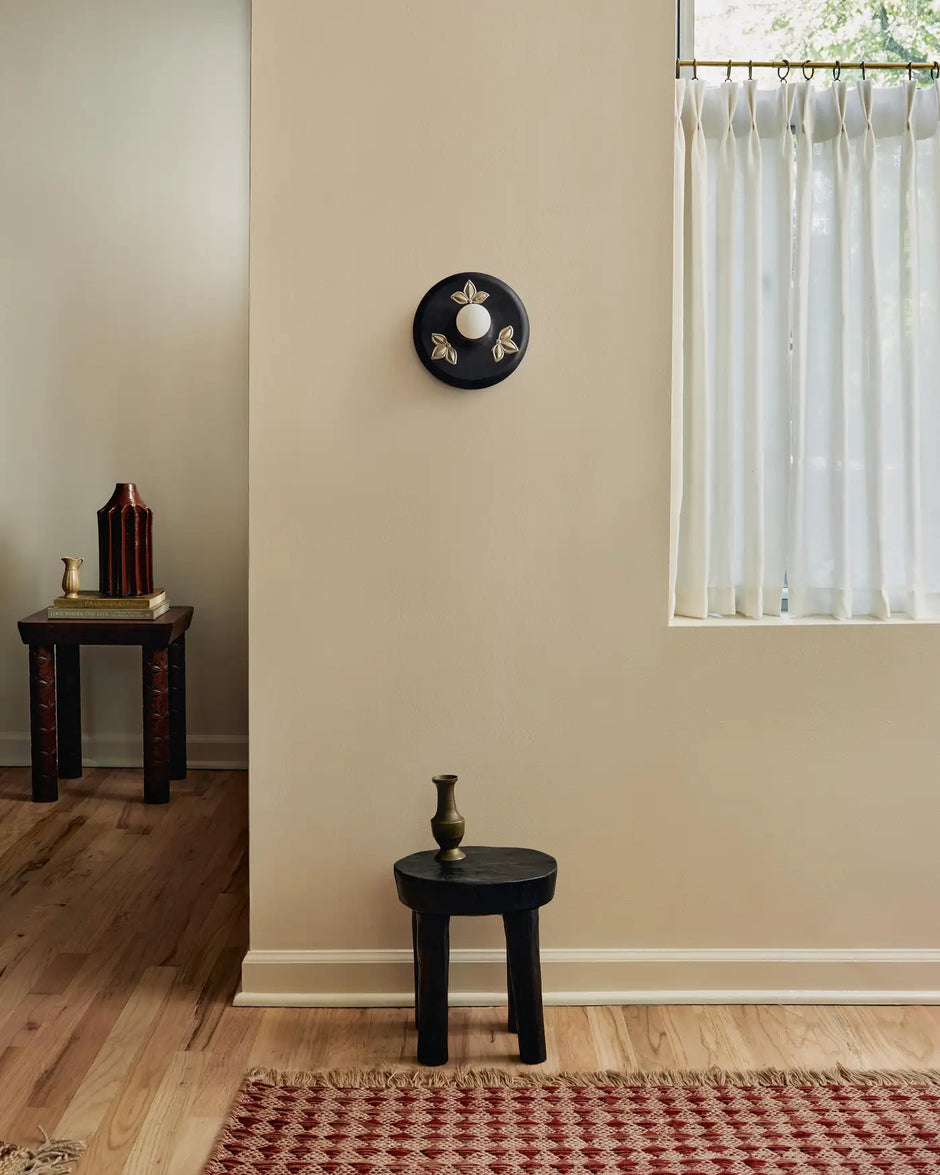
Why Wall Sconce Lighting Matters in Luxury Interiors
Imagine entering a beautifully designed living room in the evening. The furniture is sophisticated, the walls feature carefully selected finishes, and the artwork has been positioned perfectly. Yet, when the overhead lights are switched on, everything looks flat and overly bright.
Now imagine the same room with soft illumination coming from strategically placed wall fixtures. Light gently washes across the walls, artwork receives subtle emphasis, and different areas of the room begin to feel visually connected.
The difference is not necessarily the furniture or decoration.
It is the lighting.
Wall fixtures can introduce another layer of illumination that works alongside ambient and accent lighting. Instead of flooding the entire room with uniform brightness, they help create areas of focus and softer transitions between light and shadow.
This balance is particularly important in luxury interiors, where atmosphere can be just as important as appearance.
Creating Mood Through Light
One of the most interesting qualities of wall lighting is its ability to change the emotional character of a room.
A warm, diffused glow can make a bedroom feel intimate and restful. In a dining room, subtle illumination can create an inviting atmosphere for evening gatherings. In a hallway, carefully positioned fixtures can make a transitional space feel intentional rather than empty.
The same room can therefore communicate very different moods depending on how its lighting is handled.
For example:
-
Living rooms: Use wall lighting to create warm evening ambience and highlight architectural features.
-
Dining areas: Position fixtures to complement artwork, furniture, or decorative walls without competing with the dining table.
-
Bedrooms: Softer illumination can create a calm and refined atmosphere.
-
Entryways: A pair of carefully selected fixtures can establish the visual tone of the home from the moment someone enters.
-
Hallways: Repeated fixtures can create rhythm and guide the eye through the space.
This is where lighting becomes part of the storytelling of an interior.
Turning Walls Into Design Features
A wall does not have to remain a passive background.
With the right lighting, it can become one of the most expressive surfaces in a room.
Consider a textured wallcovering with subtle patterns inspired by nature, heritage, or traditional craftsmanship. Under flat overhead lighting, some of its details may disappear. A wall fixture positioned nearby can introduce shadows and highlights that make the surface appear more dimensional.
The same principle works with stone, wood, plaster, decorative panels, and artwork.
This makes decorative wall sconces especially interesting for designers. They can function as both lighting elements and visual objects, giving an otherwise empty wall a sense of composition.
Modern Wall Sconce Lighting Meets Architectural Design
Contemporary luxury does not always mean adding more decoration. In many sophisticated interiors, restraint is what creates impact.
Modern wall sconce lighting can support this approach by introducing a clean architectural element without overwhelming the room.
For example, a minimalist sconce can be positioned beside a large artwork or architectural opening. Instead of competing with the surrounding design, it becomes part of the structure of the space.
Symmetry can also be used effectively.
Two matching sconces placed on either side of a mirror, artwork, doorway, or architectural feature can establish visual balance. Alternatively, asymmetrical placement can create a more relaxed and contemporary composition.
The key is to think about the fixture in relation to everything around it.
Gold Wall Sconces: Adding Warmth and Visual Richness
Metal finishes can significantly influence how a lighting fixture interacts with its surroundings.
Gold wall sconces can introduce warmth and a subtle sense of opulence, particularly when paired with materials such as marble, rich wood, textured wallcoverings, or deep-toned furnishings.
But gold does not have to look excessive.
A refined gold finish can work beautifully in a contemporary room when the rest of the interior is carefully balanced. Instead of making the entire space feel ornate, the fixture can act as a small but intentional point of warmth.
Think of it as jewelry for the wall.
Just as a carefully selected accessory can complete an outfit, a well-designed gold fixture can complete an interior composition.
Brass Wall Sconces and Timeless Character
For interiors that require warmth without an overly polished appearance, brass wall sconces can offer another direction.
Brass works particularly well with natural materials and heritage-inspired interiors. Its warm metallic quality can complement wood, stone, leather, textiles, and handcrafted decorative elements.
This makes brass especially suitable for interiors that combine contemporary architecture with traditional influences.
For example, a hallway with handcrafted wallcoverings and dark wood furniture can gain a stronger sense of continuity when brass lighting is introduced. Rather than appearing like an isolated fixture, the lighting becomes part of the material story of the room.
Luxury Wall Sconces as Sculptural Objects
Luxury lighting is increasingly being viewed beyond its practical purpose.
A beautifully designed fixture can behave almost like a sculpture.
During the day, the fixture contributes to the visual identity of the room. At night, it becomes functional and transforms the surrounding space through light and shadow.
This dual role makes luxury wall sconces particularly valuable in high-end interiors.
A sculptural silhouette can become a focal point in an otherwise minimal room. A handcrafted finish can reinforce a room's emphasis on artisanal materials. An unusual shape can introduce contrast against traditional furniture.
The fixture does not simply illuminate the interior.
It participates in the design language.
Where Should Wall Sconces Be Used?
There is no single formula that works for every interior. Placement should respond to the architecture, furniture arrangement, ceiling height, wall finish, and purpose of the room.
However, several areas consistently benefit from thoughtful wall lighting.
Beside Mirrors
Sconces positioned around a mirror can provide both function and symmetry. They can also make an entryway, dressing area, or bathroom feel more considered.
Along Hallways
A series of fixtures can create rhythm along a long corridor. Instead of allowing the hallway to feel like a purely functional passage, lighting can turn it into part of the home's overall experience.
Around Artwork
Lighting can draw attention to paintings, sculptures, photography, or other decorative pieces. The objective is not necessarily to make the artwork brighter, but to give it visual importance.
Beside the Bed
Wall-mounted fixtures can provide a sophisticated alternative to traditional bedside lamps while keeping valuable surface space clear.
In Dining Spaces
Subtle wall illumination can complement pendant or chandelier lighting and create a warmer evening environment.
Near Architectural Details
Arches, columns, niches, textured walls, and decorative panels can all become more visually prominent when illuminated thoughtfully.
Wooden Wall Sconces for Natural Interiors
Metal is not the only material capable of creating a sophisticated wall-lighting scheme.
Wooden wall sconces can introduce an organic quality into spaces dominated by stone, glass, metal, or polished surfaces.
This can be particularly effective in modern interiors where natural materials are being used to soften architectural lines.
Wood can also connect lighting with other elements in the room, such as flooring, furniture, cabinetry, or decorative objects. When these materials share similar tones or textures, the lighting feels integrated rather than added later.
Light and Shadow: The Hidden Design Element
One of the most overlooked aspects of wall lighting is shadow.
A fixture does not simply create an illuminated area. It also determines where shadows appear.
That matters because shadows introduce depth.
A textured wall illuminated from the side can reveal details that remain invisible under direct lighting. A sculptural fixture can create patterns on the surrounding surface. Even a simple architectural feature can become more dramatic when light moves across it at an angle.
In this way, a wall fixture can change the perception of a room without changing any of its physical elements.
How Designers Can Build a Layered Lighting Scheme
The most successful interiors rarely rely on one lighting source.
Instead, designers often combine different layers:
Ambient lighting provides general illumination.
Task lighting supports specific activities such as reading, dressing, or working.
Accent lighting directs attention toward artwork, architecture, or decorative features.
Wall lighting can contribute to several of these layers depending on its design and placement.
For example, a living room might combine a central ceiling fixture with recessed lighting and strategically positioned wall sconces. During the day, natural light can dominate the room. In the evening, the lighting layers can be adjusted to create a softer and more intimate environment.
This flexibility is one of the reasons wall lighting remains relevant across different interior styles.
Choosing the Right Finish for Your Interior
The finish of a wall fixture should support the larger material palette of the room.
Ask a few simple questions:
-
Are the existing finishes warm or cool?
-
Is the room contemporary, traditional, eclectic, or transitional?
-
Does the space already contain metallic accents?
-
Should the fixture blend into the architecture or stand out?
-
Is the wall itself already highly decorative?
-
Will the fixture be viewed primarily during the day or evening?
A gold finish may complement warm, richly layered interiors, while brass can reinforce heritage-inspired or natural material palettes. Wood can soften contemporary spaces, while more minimal finishes can integrate seamlessly into modern architecture.
The goal is not to match every element perfectly.
It is to create visual relationships.
The Bigger Idea: Lighting as Part of the Interior Story
The most memorable luxury interiors usually feel cohesive. Nothing appears completely accidental, yet not everything is necessarily identical.
Wall lighting can help establish this sense of cohesion.
A fixture can repeat a metallic tone found elsewhere in the room. Its shape can echo an architectural curve. Its material can complement furniture or flooring. Its light can emphasize a pattern or artwork.
These connections may seem subtle, but they influence how the entire space is perceived.
That is ultimately the power of well-considered wall sconce lighting.
It does not demand attention in the way a dramatic chandelier might. Instead, it changes the way attention moves through the room.
Final Thoughts
Luxury interior design is not simply about selecting expensive materials or statement furniture. It is about creating an environment where every element contributes to the experience of the space.
Wall lighting plays an important role in that process. From the warmth of gold to the timeless character of brass, the natural appeal of wood, and the clean lines of contemporary designs, the right fixture can enhance architecture, reveal texture, create depth, and completely change the mood of an interior.
The most successful approach is to think beyond illumination. Think about where the eye should go, how the room should feel, what materials should be highlighted, and how the space should transition from day to evening.
At Shopvrsa, thoughtfully selected lighting becomes part of this larger design story—bringing together craftsmanship, refined materials, and distinctive aesthetics to help transform walls into meaningful elements of a luxury interior. With the right wall sconce, even an understated wall can become an integral part of the space
