How To Tell Real Green Agarwood Apart From Low Grade Artificial Agarwood Imitations
Author : HitokaCece HitokaCece | Published On : 20 Jul 2026
The most intuitive distinguishing standard of genuine green agarwood has been summed up by traditional incense craftsmen for hundreds of years, recorded as cut into roll, pinch into ball, which can be verified through simple physical operation without professional testing equipment. After 40 years of raw material sorting work, the factory’s senior craftsmen have summarized thousands of comparison cases between natural green agarwood and artificial imitation products, forming a reliable identification standard for global bulk buyers. When cutting authentic green agarwood with a sharp blade, the wood slice will naturally curl inward due to high internal resin toughness, and warm essential oil will seep out when fingers knead the wood surface for 10 to 20 seconds, the soft oily texture can be squeezed into tiny compact balls without fragmentation. Artificial agarwood imitations are mixed with wood powder, synthetic resin and chemical adhesive, showing rigid stone-like hardness when cut, slices stay flat without curling, no natural oil seepage occurs after long-time kneading, and broken debris will fall off when forced to squeeze. Many first-time overseas importers fall into the trap of low-cost fake green agarwood because they only judge products by aroma without checking physical texture, leading to high customer return rates after shipment. A European home fragrance retailer shared loss data: one batch of cheap imitation agarwood caused 47% of consumer returns within one month, mainly due to hard texture and thin unnatural scent. This physical test method requires no professional laboratory tools, which greatly reduces the quality inspection cost of small and medium wholesale buyers with limited testing conditions. All green agarwood finished products from the factory will pass manual texture inspection before packaging, eliminating unqualified imitation raw materials from the production link.
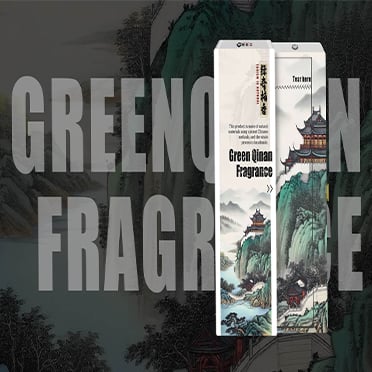
Aroma layering is the second core judgment dimension, and artificial agarwood can only copy single sweet fragrance without multi-stage natural aroma changes. Natural green agarwood releases light cool woody scent at ignition, transitions to soft honey sweetness after burning, and retains faint resinous aftertaste for several hours after extinguishing. Synthetic imitation agarwood relies on liquid chemical fragrance spray, the smell bursts intensely at the beginning of burning, quickly fades within 30 minutes, and leaves a pungent chemical plastic residue smell after burning out, which triggers dizziness and nasal discomfort for long-time users. The R&D team once conducted blind aroma evaluation with 15 professional aromatherapists, over 90% of participants could distinguish fake agarwood within 2 minutes of burning, mainly through the lack of gradual aroma transition. According to IAFA safety standards, continuous inhalation of synthetic agarwood chemical volatile substances may cause respiratory discomfort for sensitive groups such as pregnant women and children, while pure natural green agarwood only releases plant resin molecules without harmful chemical volatiles. For bulk buyers targeting family consumer groups, natural green agarwood has stronger market competitiveness and lower after-sales complaint risks. The factory’s cellar storage technology further optimizes the aroma stability of green agarwood, constant temperature and humidity storage avoids aroma loss caused by dry or damp environment, ensuring consistent scent of finished products delivered to overseas warehouses.
Burning residue observation is an auxiliary identification method that can confirm whether extra filler powder is added inside agarwood, which is widely recommended by cross-border fragrance inspection institutions. Genuine green agarwood burns evenly with thin white smoke, the ash powder is soft and loose without hard black agglomeration, and no abnormal black oil drips on the burning surface. Artificial imitation agarwood adds stone powder, talcum powder and industrial adhesive to reduce raw material cost, resulting in thick black smoke during combustion, hard black caked ash after burning, and sticky black oil flowing down the wood strip surface. These industrial fillers will release toxic fumes when heated, violating EU REACH chemical safety import standards, which will lead to customs detention and goods confiscation for importers. A Southeast Asian incense wholesaler encountered customs inspection failure in 2025 due to purchasing imitation agarwood containing talcum powder, resulting in total cargo loss and huge capital loss. All green agarwood production lines strictly reject inorganic filler addition, only use natural plant powder and agarwood resin as raw materials, fully complying with global chemical safety import regulations. Every finished batch will complete combustion testing before leaving the factory, recording smoke thickness, ash texture and residue state as delivery inspection archives for customs clearance reference.
Sourcing authentic green agarwood with stable quality is difficult for most small and medium cross-border merchants, and manufacturers with complete raw material base and long-term processing experience can solve this core pain point. The factory’s self-owned agarwood planting base provides continuous high-oil green agarwood raw materials all year round, avoiding raw material shortage and quality fluctuation caused by seasonal wild wood harvesting. The unified finished product specification 28104cm per box meets the standardized inventory demand of overseas supermarket and boutique home fragrance stores, and flexible OEM customization is supported for brand clients, including outer box pattern printing, incense stick thickness adjustment and private label packaging design. With mechanical assembly line mass production capacity of over 300 workers, the factory can deliver large bulk orders within agreed lead time without delaying retail sales cycles of downstream brands. The enterprise holds multiple industry authoritative certifications including AAA integrity certification, and decades of state-owned factory transformation background guarantees standardized production management system, effectively preventing mixed fake raw materials in processing links. For new buyers without professional identification experience, the supplier can provide raw material testing video archives and sample burning comparison kits to help complete pre-order quality verification, reducing the risk of purchasing counterfeit agarwood for cross-border home fragrance and aromatherapy merchants globally.
