How to Source High-Quality Used Cars from China for Your Dealership?
Author : HitokaCece HitokaCece | Published On : 17 Jul 2026
Introduction
Over the years in the automotive export industry, I have seen China's used car export market transform at an unprecedented pace. In 2022, China exported 69,000 used cars. By 2023, that number had more than doubled to over 160,000 units. Industry forecasts project that by 2025, annual exports will surpass 1 million vehicles. The market already covers more than 160 countries and regions across Southeast Asia, the Middle East, Latin America, and Europe. This explosive growth has created tremendous opportunities for international buyers—but also significant challenges. Sourcing quality vehicles requires navigating a complex landscape of suppliers, inspection standards, and export regulations. Having worked with dealers and fleet operators across multiple regions, I have learned what separates a successful sourcing partnership from a costly mistake. In this article, I want to share those lessons with you.
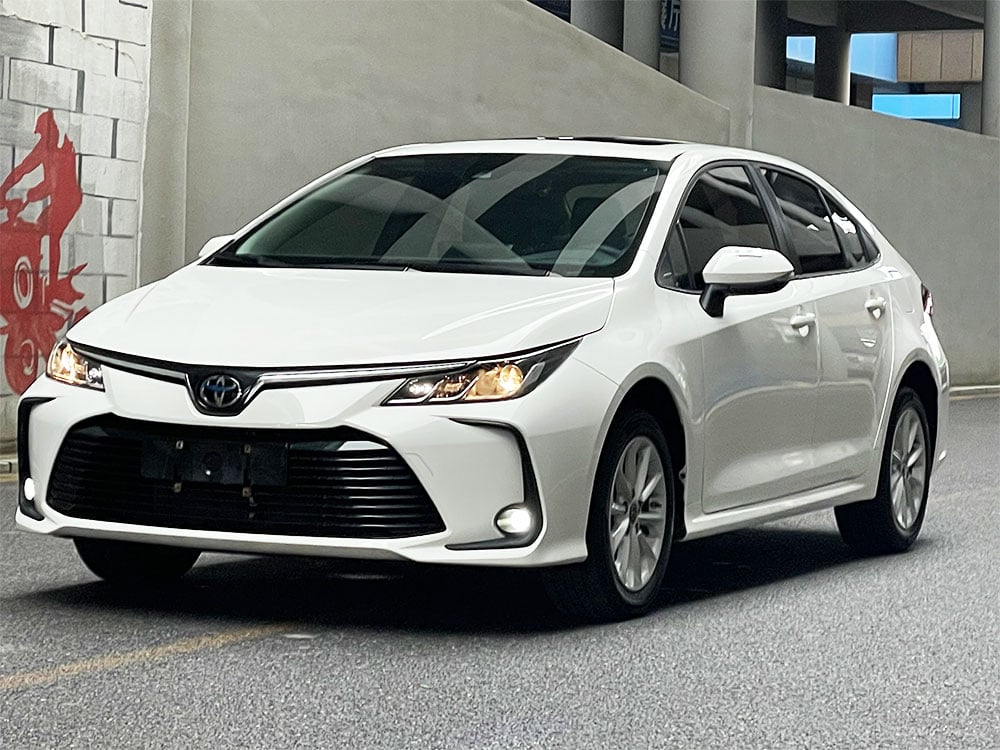
Used Car Sourcing Channels and Supplier Verification
The first and most critical step in sourcing used cars from China is identifying reliable sourcing channels and verifying supplier credentials. The Chinese used car export market is diverse, with suppliers ranging from large trading companies to specialized export platforms. When evaluating potential suppliers, look for companies with proven export experience and established track records. Since 2016, experienced exporters have cumulatively exported over 15,000 vehicles of various models, including complete vehicles, KD (knock-down) units for local assembly, used vehicles, inventory cars, and electric vehicles. This breadth of experience demonstrates the capability to handle diverse vehicle types and export requirements. Verified suppliers should have the necessary export qualifications and licenses. China implements an export license management system for used cars. Working with licensed and experienced suppliers ensures compliance with regulations and reduces the risk of shipment delays or legal issues. I have worked with buyers who prioritized price over supplier verification and experienced significant delays and quality issues. Verifying supplier credentials is not optional—it is essential for reliable sourcing.
Used Car Quality Inspection and Certification Standards
The second critical factor in sourcing used cars from China is understanding and verifying quality inspection and certification standards. Vehicle quality is the foundation of buyer satisfaction and long-term business relationships. In China, exported used vehicles must comply with quality requirements such as the "Quality Requirements for Used Passenger Car Exports" (WM/T8-2022) or "Quality Requirements for Used Commercial Vehicles and Trailers Exports" (WM/T9-2022), and must be accompanied by product inspection reports from third-party testing agencies. When evaluating a supplier, ask about their inspection process. Do they use accredited third-party inspectors? Do they provide comprehensive inspection reports covering mechanical condition, mileage verification, and vehicle history? Suppliers committed to quality will offer transparent documentation that gives buyers confidence in the vehicle's condition. I have worked with dealers who skipped verification of inspection standards and received vehicles with undisclosed damage or mechanical issues. The cost of rework and customer dissatisfaction far exceeds any savings from cutting corners on quality verification.
Used Car Export Documentation and Compliance
The third critical factor in sourcing used cars from China is understanding export documentation and regulatory compliance. Used car exports from China require specific documentation including commercial invoices, packing lists, customs declarations, vehicle registration certificates, export licenses, and enterprise declarations. The export license application process requires that vehicle information, including the VIN (Vehicle Identification Number), brand, and model, be consistent with the vehicle registration certificate. For buyers, working with a supplier who manages the documentation process correctly is essential for avoiding customs delays and ensuring smooth delivery. Exporters are also responsible for quality traceability and must comply with regulations regarding truthful disclosure of vehicle mileage, maintenance history, and other vehicle condition information. Suppliers should provide timely technical support and parts support after export. I have worked with buyers who experienced costly customs delays because their suppliers failed to complete documentation correctly. Partnering with a supplier who understands and manages export compliance is essential for reliable, timely delivery.
Conclusion
Sourcing high-quality used cars from China requires careful attention to sourcing channels and supplier verification that ensures working with licensed, experienced exporters, quality inspection and certification standards that provide confidence in vehicle condition through third-party testing and compliance with WM/T8-2022 and WM/T9-2022 requirements, and export documentation and compliance that ensures smooth customs clearance and timely delivery. By evaluating potential suppliers against these criteria, international dealers, fleet operators, and procurement professionals can source reliable used vehicles that deliver value and customer satisfaction. In a market projected to exceed 1 million annual exports by 2025, the right sourcing partner is not just a supplier—it is a strategic partner in your business growth.
