How to Source Biodegradable Sugarcane Bagasse Cups and Cutlery for Foodservice Operations?
Author : HitokaCece HitokaCece | Published On : 18 Aug 2026
Introduction
In the world of sustainable foodservice, few product categories have seen as much innovation as sugarcane bagasse cups and cutlery. I have watched these products evolve from niche alternatives to mainstream solutions that meet the demands of cafés, caterers, and quick-service restaurants. The global bagasse tableware market was valued at USD 1.6 billion in 2024 and is expected to reach USD 2.6 billion by 2031. Cups and cutlery represent a growing segment of this market, driven by consumer demand for sustainable beverage packaging and the global shift away from plastic utensils. Let me share what I have learned about sourcing biodegradable sugarcane bagasse cups and cutlery for foodservice operations.
Performance Specifications for Sugarcane Bagasse Cups
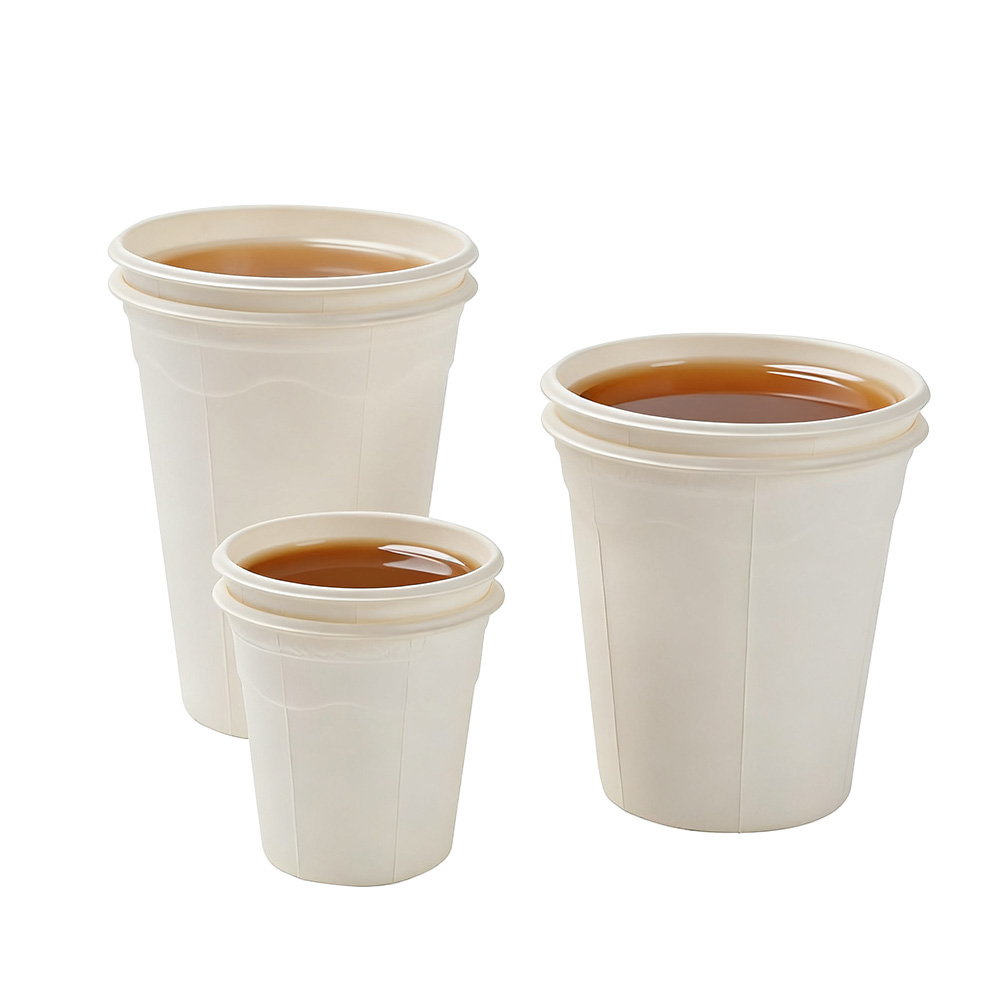
Sugarcane bagasse cups must deliver performance that meets the demands of both hot and cold beverages. Quality cups should withstand temperatures from -20°C to 120°C, making them suitable for hot coffee, tea, and soup as well as cold drinks and desserts. The cups should be naturally water-resistant and grease-resistant, made entirely PFAS-free. Rolled rims add strength and provide a better surface for lid sealing. For hot beverages, consider cup wall thickness and insulation requirements to protect hands. For cold drinks, a smooth interior surface prevents condensation from weakening the cup structure. When sourcing bagasse cups, request samples and test them with your actual beverages under real service conditions. A cup that performs well across the full temperature range will reduce customer complaints and protect your brand reputation.
Quality Considerations for Sugarcane Bagasse Cutlery
Sugarcane bagasse cutlery must combine strength with functionality. Quality cutlery should be rigid enough to handle most foods without bending or breaking. The manufacturing process—using heat and pressure in precision molds—gives bagasse cutlery its strength. When evaluating cutlery, check for smooth edges—rough surfaces indicate poor molding or trimming. Test the utensils with hot, oily, and wet foods to verify that they maintain their strength. Look for certifications such as FDA food-contact approval, EU food packaging compliance, and compostability certifications like EN 13432 or ASTM D6400. PFAS-free documentation is increasingly required. A reputable supplier will provide these documents readily and be transparent about their quality control procedures. Remember, cheaper cutlery often cuts corners on material quality and molding precision—and your customers will notice the difference.
Sourcing Strategies for Cups and Cutlery in Bulk
When sourcing sugarcane bagasse cups and cutlery in bulk, a strategic approach is essential. Work with suppliers who offer stable capacity and consistent quality across large order volumes. Look for manufacturers with proven export experience to your target markets and the ability to provide comprehensive documentation including PFAS-free test reports, food-contact certifications, and compostability verification. The best suppliers offer full size ranges and customization options including OEM and ODM services. For cutlery, suppliers with monthly supply capacity of 1,000,000 pieces or more can handle high-volume orders. Evaluate supplier response times and reorder rates as indicators of service reliability. Building a relationship with a supplier who offers quality, compliance, and reliability ensures a steady supply of cups and cutlery for your foodservice operation.
Conclusion
Sourcing biodegradable sugarcane bagasse cups and cutlery requires attention to performance specifications including temperature resistance and structural integrity, verification of certifications including compostability standards, food-contact safety, and PFAS-free compliance, and strategic supplier selection for capacity, consistency, and reliability. The bagasse tableware market continues to grow, and foodservice operators who adopt certified, PFAS-free bagasse cups and cutlery are meeting consumer expectations while positioning themselves for regulatory compliance. By focusing on these factors, procurement professionals and foodservice operators can source sugarcane bagasse cups and cutlery that deliver performance, compliance, and value.
