How to Select the Right Steel Structure Building for Your Industrial Facility?
Author : HitokaCece HitokaCece | Published On : 17 Sep 2026
Introduction
Over the years in the steel construction industry, I have seen too many facility owners focus solely on the initial price tag when choosing a steel structure building, only to discover later that the building cannot support their crane systems, lacks the flexibility for future expansion, or fails to meet local building codes. A steel structure building is not just a shell—it is the foundation of your entire operation. The global steel structure market was valued at $124.72 billion in 2025 and is projected to grow to $131.59 billion in 2026, and with more options than ever, making the right choice requires a clear understanding of what really matters. Let me share what I have learned about selecting steel structure buildings that deliver performance, durability, and value.
Understanding Steel Structure Building Frame Systems
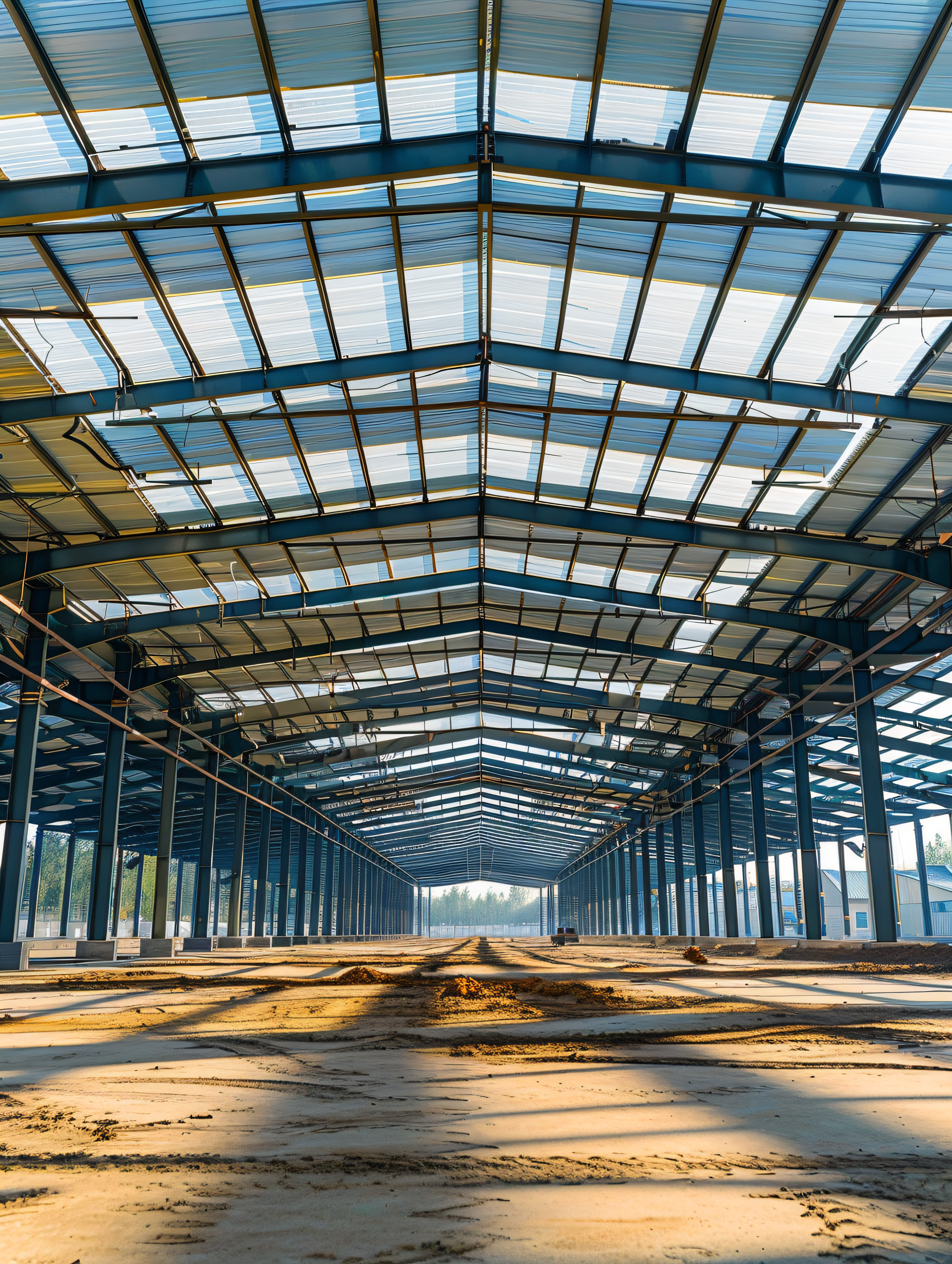
The frame system is the backbone of any steel structure building. Portal frame systems are the most popular choice for workshops and warehouses, offering cost-effective solutions with spans from 18 meters to over 120 meters. The structure consists of rigidly connected steel columns and rafters, forming a stable system that provides excellent strength and large clear spans. For heavier industrial applications, heavy steel structures accommodate higher load capacities and overhead crane systems up to 100 tons. Space frame and truss systems, on the other hand, excel in long-span applications such as convention centers, sports arenas, and airport terminals, where column-free spaces are essential. When evaluating a steel structure building, match the frame system to your specific operational requirements—whether you need open floor space, heavy equipment support, or multi-story capability.
Material Grades and Corrosion Protection for Steel Structure Buildings
The quality of a steel structure building depends heavily on the steel grade and protective treatments used. Q235B and Q355B structural steels are the most commonly specified grades, offering excellent strength-to-weight ratios and weldability. The choice between these grades affects the building's load-bearing capacity and overall durability. Corrosion protection is equally critical—painted systems provide basic protection, while hot-dip galvanizing offers superior resistance in coastal, humid, or harsh environments. For facilities in aggressive environments, fluorocarbon coatings provide additional protection against chemical exposure. A well-protected steel structure building should achieve a design service life of 50 years or more. When specifying your building, discuss the environmental conditions and expected service life with your supplier to ensure the right protection system is selected.
Compliance and Design Standards for Steel Structure Buildings
Regulatory compliance is non-negotiable for any steel structure building. Projects must be engineered according to local building codes and international standards, with careful attention to wind loads, snow loads, and seismic requirements. Steel structures provide superior ductility and earthquake resistance compared to conventional concrete buildings, but only if they are properly designed for the specific seismic zone. When working with a supplier, verify that they can provide structural calculations, detailed drawings, and technical documentation that meet your local authority's requirements. A compliant steel structure building not only passes inspection but also protects your investment and ensures the safety of your operations for decades.
Conclusion
Choosing the right steel structure building requires careful evaluation of frame systems, material grades, corrosion protection, and compliance standards. Portal frames offer cost-effective solutions for workshops; heavy steel structures support demanding industrial applications; and space frames deliver long-span capabilities. By matching the building system to your operational needs and ensuring proper material selection and regulatory compliance, you can secure a steel structure building that serves your facility reliably for generations.
