How to Select the Right Rapid Test Kit for Point-of-Care Testing?
Author : HitokaCece HitokaCece | Published On : 20 Sep 2026
Introduction
In modern healthcare, speed and accuracy are not optional. A rapid test kit delivers results within minutes, enabling clinical decisions at the point of care. I have seen emergency rooms, clinics, and field hospitals transform their response times with the right rapid test kit. The wrong kit, however, can produce false results, waste time, and damage trust. Selecting the right kit requires a clear understanding of performance, sample type, and operating conditions. This article explains how to choose a rapid test kit that delivers reliable results when and where they are needed.
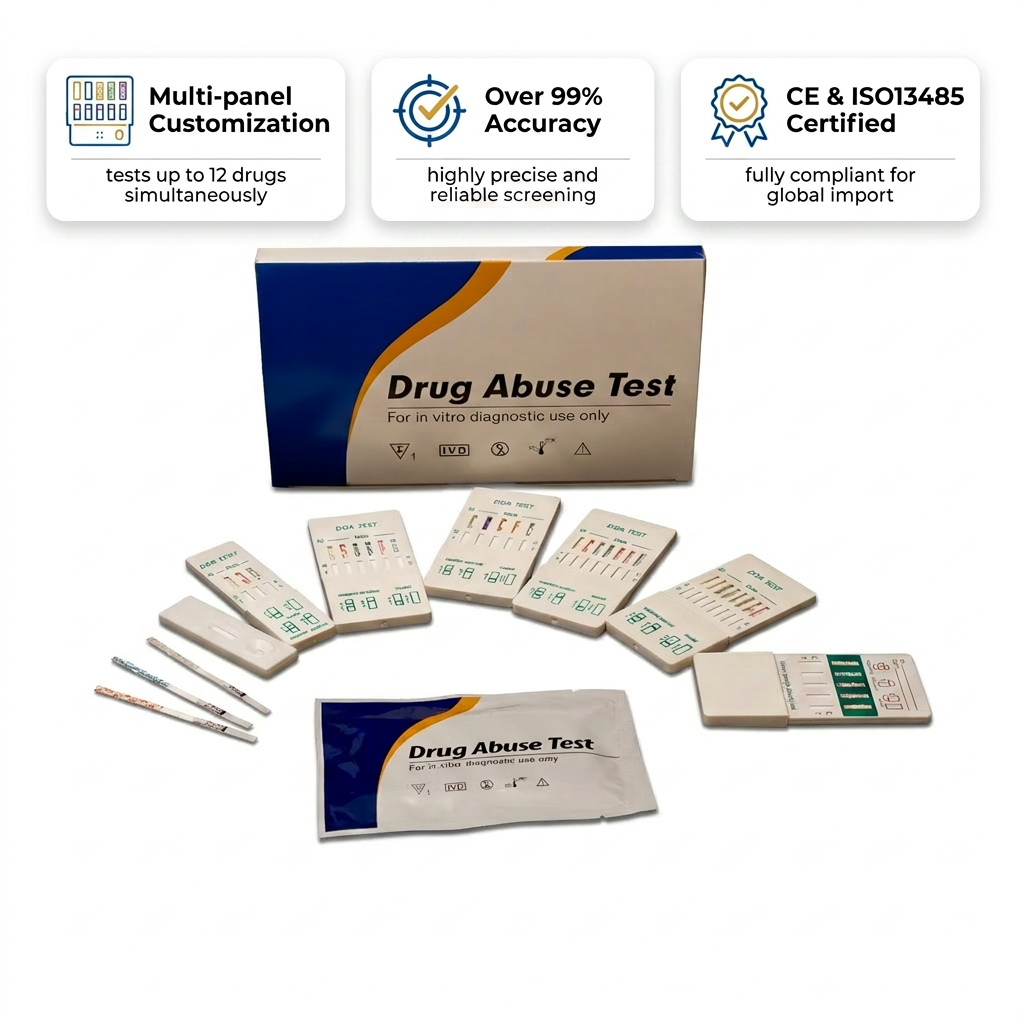
Rapid Test Kit Performance Criteria for Accurate Results
The first criterion is sensitivity. Sensitivity is the ability of the test to correctly identify positive samples. A highly sensitive rapid test kit minimizes false negatives. This is critical for screening and early detection. The second criterion is specificity. Specificity is the ability to correctly identify negative samples. A highly specific test kit minimizes false positives. This is essential for confirmatory testing and avoiding unnecessary treatment. The third criterion is stability. A rapid test kit must maintain performance across its shelf life. Stability studies should confirm that sensitivity and specificity do not decline over time. The fourth criterion is repeatability. Results should be consistent across different operators and different batches. A reliable manufacturer will provide performance data for each of these criteria. Buyers should request this data before making a purchase decision.
Rapid Test Kit Sample Types and Operating Conditions
Rapid test kits are available for different sample types. Common samples include whole blood, serum, plasma, urine, and saliva. The choice of sample type depends on the target analyte and the setting. For example, a pregnancy test typically uses urine. An infectious disease test may use whole blood or serum. The operating conditions also matter. Some rapid test kits require refrigeration. Others are stable at room temperature. For field use, room temperature stability is a major advantage. Humidity and temperature extremes can affect performance. The kit packaging must protect the test components from moisture and light. The instructions must be clear and easy to follow. A kit that is difficult to use will produce unreliable results. Buyers should test samples under real conditions before committing to a large order.
Rapid Test Kit Regulatory Compliance and Quality Assurance
Regulatory compliance is non-negotiable for diagnostic products. A rapid test kit should meet the requirements of the target market. Common standards include CE marking for Europe, FDA clearance for the United States, and NMPA registration for China. The manufacturer should provide certificates and test reports. Quality assurance is equally important. The manufacturer should operate under ISO 13485. This standard ensures consistent quality management. Production should take place in a controlled environment. Each batch should be tested for sensitivity, specificity, and stability. Traceability should be maintained from raw materials to finished product. A reliable supplier will provide documentation for every batch. This documentation protects the buyer and the end user. It also simplifies regulatory audits and customs clearance.
Conclusion
Selecting the right rapid test kit requires attention to sensitivity, specificity, stability, sample type, operating conditions, and regulatory compliance. A kit that performs well in all these areas delivers reliable results at the point of care. By requesting performance data and verifying certifications, buyers can choose rapid test kits that support better clinical decisions and patient outcomes.
