How to Select the Right Polyester Wadding Machine for Your Production Line?
Author : HitokaCece HitokaCece | Published On : 02 Sep 2026
Introduction
Over the years in the nonwoven industry, I have seen too many production lines struggle with inconsistent output, poor product quality, and frequent breakdowns—all because the wrong polyester wadding machine was chosen for the job. A polyester wadding machine is the heart of any thermal bonding production line, and getting the selection right is essential for operational efficiency and product quality. The production process involves transforming polyester staple fibers and low-melt binder fibers into a uniform, bonded wadding roll through a carefully controlled sequence of mechanical and thermal operations. With the growing demand for nonwoven wadding in bedding, furniture, home textiles, and automotive applications, choosing the right equipment has never been more important. Let me share what I have learned about selecting polyester wadding machines that deliver reliable performance and long-term value.
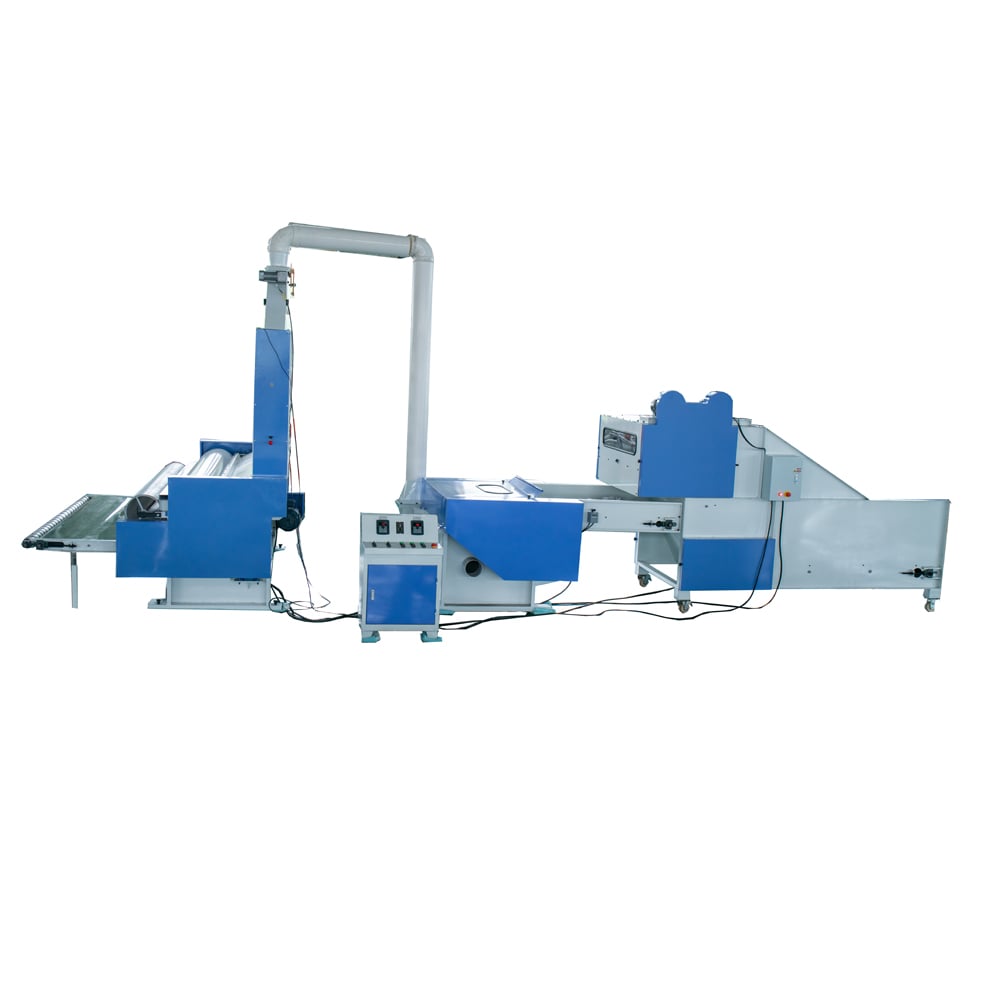
Understanding the Complete Polyester Wadding Machine Production Process
The first step in selecting a polyester wadding machine is understanding the complete production process and how each stage contributes to the final product quality. The production line begins with fiber preparation: compressed polyester staple fibers and low-melt binder fibers are fed into a bale opener, which loosens the tightly packed raw materials. These fibers then pass through a series of opening and blending machines that further separate the fibers and mix them to achieve a uniform blend. The blended fibers are delivered to a carding machine, which combs the fibers into a continuous, uniform fibrous web. For wadding production, a double-doffer carding machine is recommended for higher output. This web is then fed into a cross-lapper, which lays the web in multiple layers to achieve the desired thickness and basis weight.
The heart of the polyester wadding machine is the thermal bonding oven. As the fiber layer passes through the oven, high temperature causes the low-melt binder fibers to melt throughout the entire fiber layer. After cooling, these melted fibers bind all the other fibers together like glue—but without any chemical adhesives, making the process more environmentally friendly. The bonded wadding then passes through a cooling section, followed by a winder and cutter that slits the finished wadding to the target width and winds it onto rolls at the specified weight. Understanding this complete process is essential for evaluating whether a polyester wadding machine meets your production requirements.
Key Technical Parameters for Polyester Wadding Machine Selection
When evaluating a polyester wadding machine, several technical parameters must be carefully assessed. The machine working width determines the maximum width of the finished wadding—common options range from 1,000mm to over 3,200mm. Product weight or basis weight, measured in grams per square meter, typically ranges from 60gsm to 3,000gsm depending on the application. Production capacity, measured in kilograms per hour, generally ranges from 80kg/h to 300kg/h for mid-tier automated lines. Fiber input compatibility is another critical factor—machines must be able to process various fiber types including polyester, cotton, and recycled fibers.
The oven system is another critical specification. Thermal bonding ovens can be heated by electricity, gas, or thermal oil, with operating temperatures typically ranging from 130°C to 220°C. The choice of heating method affects both energy costs and production flexibility. The machine‘s line speed determines throughput and production efficiency. The number of carding machines and the configuration of the cross-lapper also influence production capacity and product uniformity. For premium fine-soft wadding, 3D–4D fibers are recommended; for standard wadding, 6D–7D fibers are typically used. When selecting a polyester wadding machine, match these technical parameters to your specific production targets and product specifications.
Evaluating Manufacturer Capabilities and After-Sales Support
Beyond technical specifications, the manufacturer‘s capabilities and after-sales support are critical factors in polyester wadding machine selection. A complete thermal bonding wadding line integrates several key machines: a bale opener, carding machine, cross-lapper, and through-air bonding oven. The reliability of the entire line depends on how well these components work together. Look for manufacturers with proven experience in complete line integration and a track record of successful installations. Evaluate their quality control processes and manufacturing standards.
After-sales support is equally important. A polyester wadding machine is a complex piece of equipment that requires regular maintenance, spare parts, and occasional technical support. Choose a supplier who offers comprehensive training for your operators and maintenance staff, responsive technical support, and reliable spare parts availability. The difference between a successful installation and a problematic one often comes down to the quality of the supplier‘s after-sales support. A manufacturer who invests in customer training and ongoing support will help ensure that your polyester wadding machine delivers consistent performance over its entire service life.
Conclusion
Selecting the right polyester wadding machine requires a thorough understanding of the complete production process—from fiber opening and carding through cross-lapping and thermal bonding—and careful evaluation of key technical parameters including working width, production capacity, and fiber compatibility. Equally important is assessing the manufacturer‘s capabilities in complete line integration and their commitment to after-sales support. By taking a strategic, informed approach to equipment selection, production managers and procurement professionals can invest in a polyester wadding machine that delivers consistent quality, reliable performance, and lasting value for years to come.
