How to Select the Right Planetary Gearbox for High Precision Industrial Automation Applications?
Author : HitokaCece HitokaCece | Published On : 15 Jul 2026
Introduction
Over the years in the precision transmission industry, I have seen countless automation projects struggle because of one fundamental oversight: choosing the wrong planetary gearbox. The planetary gearbox is the critical link between motor and load—it converts high-speed, low-torque motor output into the low-speed, high-torque power that drives industrial machinery. Planetary gearboxes offer high torque density, compact design, and exceptional efficiency. Conventional 3 K planetary gears excel in efficiency, torque density and stiffness. Selecting the right gearbox is not just about matching specifications on paper—it is about ensuring that the entire motion control system performs reliably over years of operation. Having worked with automation engineers and procurement professionals across multiple industries, I have learned what separates a successful gearbox selection from a costly mistake. In this article, I want to share those lessons with you.
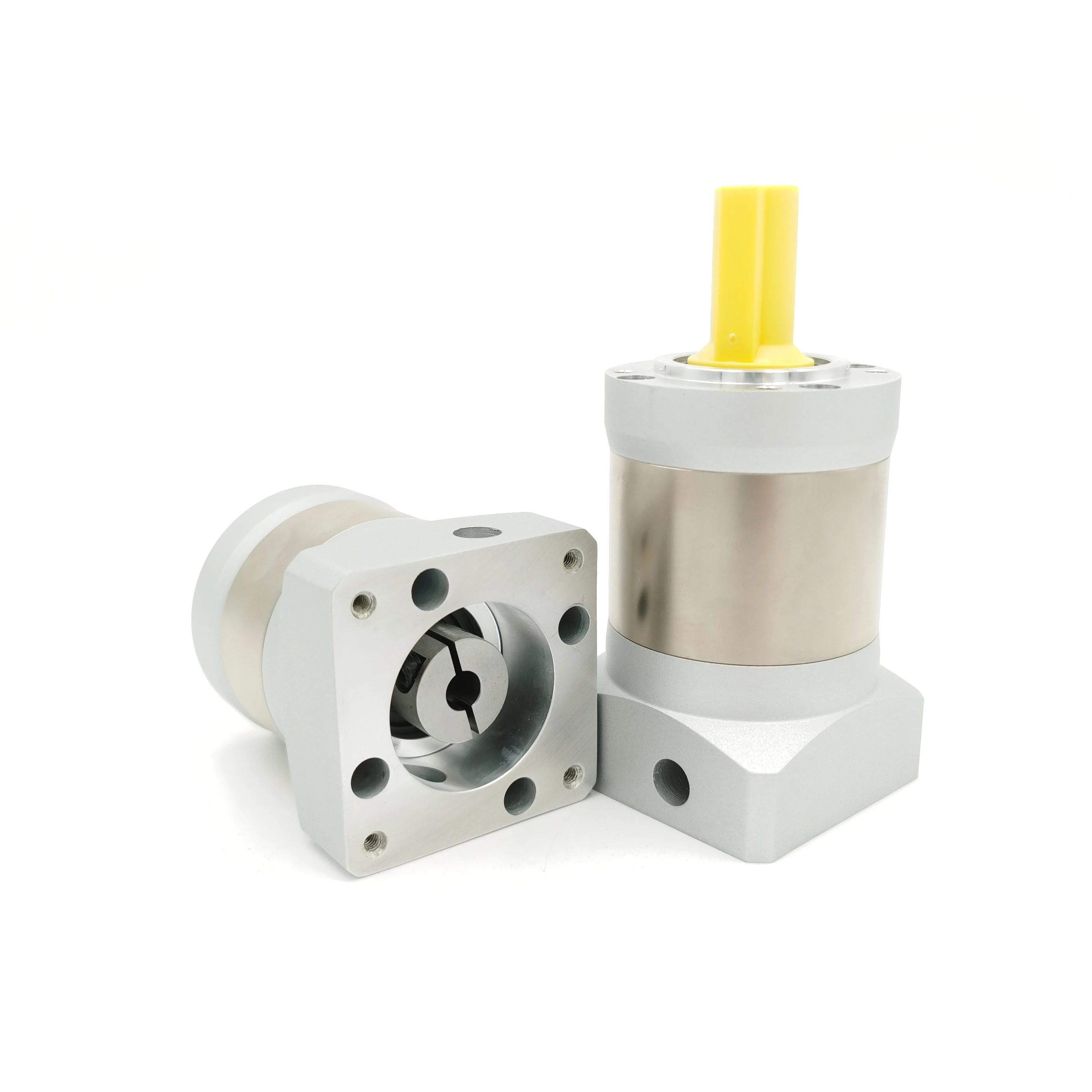
Planetary Gearbox Precision Grades and Backlash Requirements
The most critical factor in planetary gearbox selection for precision applications is backlash. Backlash is the amount of play between gear teeth—the slight movement that occurs when the output shaft changes direction. In high-precision applications such as robotics, CNC machines, and semiconductor manufacturing equipment, even minimal backlash can compromise positioning accuracy and repeatability. For high-precision applications, selecting a planetary gearbox with minimal to zero backlash is imperative. Precision planetary gearboxes are available with backlash ranges from 3 to 15 arcminutes, with efficiency ratings of 93 to 97%. High-speed positioning systems require tight backlash tolerances to maintain accuracy and repeatability. When evaluating planetary gearbox options, consider the precision requirements of your application. For general-purpose automation where standard backlash is acceptable, economy gearboxes provide excellent price-to-performance ratios. For high-precision applications requiring exceptional accuracy, look for gearboxes with backlash below 10 arcminutes and torsional stiffness that maintains positioning accuracy under load. I have worked with facilities that chose gearboxes with inadequate precision and experienced costly rework and production delays as a result. Matching the precision grade to your application requirements is essential for reliable performance.
Planetary Gearbox Efficiency and Power Transmission
Efficiency is the second critical factor in planetary gearbox selection. Planetary gearboxes are known for their high efficiency, typically ranging from 93% to 97%, making them one of the most efficient gearbox types available. This efficiency is a result of the planetary gear arrangement, where multiple planet gears share the load, reducing friction and distributing forces evenly. High-efficiency gearboxes maintain 94–97% efficiency even under high RPM loads, resulting in better servo motor utilization and less energy loss. For applications requiring continuous operation or where energy costs are significant, efficiency directly impacts operating expenses. The gear transmission efficiency of precision helical gear reducers is extremely high. When evaluating planetary gearbox options, consider both the nominal efficiency and how efficiency varies across the operating speed range. Some gearboxes maintain high efficiency across a wide range, while others are optimized for specific speed ranges. I have worked with plants that prioritized initial cost over efficiency and ended up with significantly higher energy bills over the life of the equipment. Choosing a gearbox with high efficiency is an investment in long-term operational cost savings.
Planetary Gearbox Motor Compatibility and Integration
The third critical factor in planetary gearbox selection is motor compatibility and integration. A planetary gearbox must be properly matched to the motor's voltage, current, torque, and speed characteristics. The gearbox should have a mounting flange and input shaft configuration that matches the motor, ensuring proper alignment and reliable power transmission. Planetary gearboxes are designed to boost torque and reduce the speed of electric motors, such as stepper motors, enhancing power conversion and control in electromechanical systems. The gearbox should also be compatible with the motor's feedback system if the application requires precise positioning. For servo motor applications, the gearbox must maintain the motor's precision characteristics without introducing significant backlash or compliance. The integration of the gearbox with the motor should also consider thermal management—both components generate heat during operation, and proper cooling is essential for maintaining performance and reliability. I have worked with automation engineers who chose gearboxes without verifying motor compatibility and experienced alignment issues, premature wear, and reduced system performance. Verifying motor compatibility and ensuring proper integration is essential for achieving reliable, long-lasting performance from your motion control system.
Conclusion
Selecting the right planetary gearbox requires careful attention to precision grades and backlash requirements, efficiency and power transmission, and motor compatibility and integration. By matching the gearbox's precision to your application's accuracy needs, choosing a gearbox with high efficiency to minimize operating costs, and ensuring proper motor compatibility and integration, you can achieve reliable, high-performance motion control that delivers long-term value. In an industry where precision and reliability are paramount, the right planetary gearbox is not just a component—it is a strategic investment in your automation system's performance and productivity.
