How to Select the Right Mud Pump Valve Assembly for Your Drilling Operation?
Author : HitokaCece HitokaCece | Published On : 13 Aug 2026
Introduction
If the liner and piston are the powerhouse of a mud pump, the valve assembly is its heart. Opening and closing hundreds of times per minute, the mud pump valve assembly dictates the flow and pressure of the drilling fluid. I have seen operations where a failing valve assembly caused pressure drops that brought an entire rig to a standstill. Worn valves and seats cause fluid washout—internal leakage that drastically reduces pump efficiency. The right mud pump valve assembly is not just a replacement part; it is an investment in operational reliability. Let me share what I have learned about selecting valve assemblies that keep drilling fluid moving and rigs running.
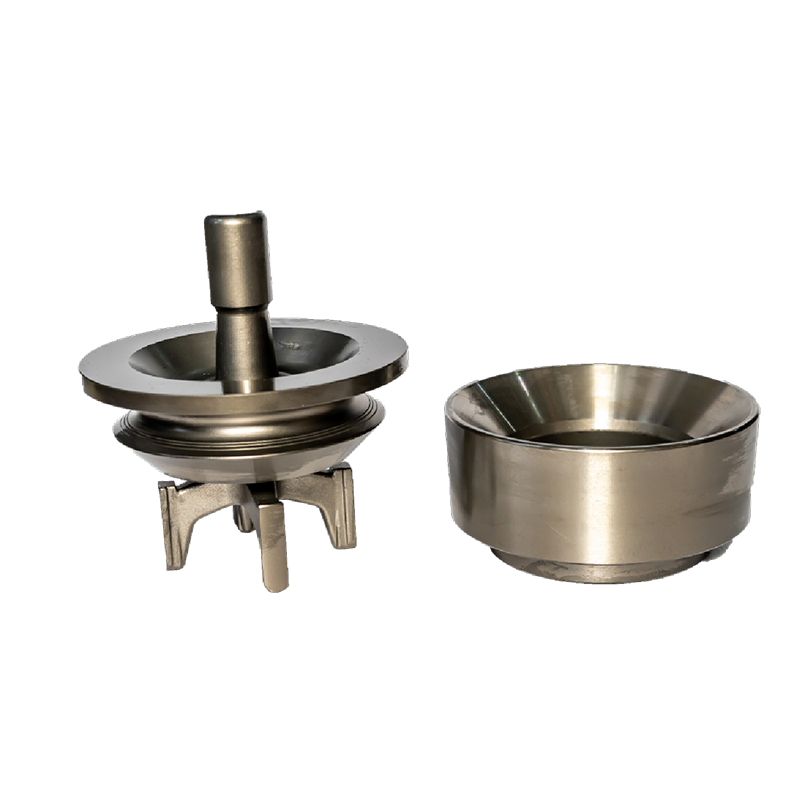
Understanding Mud Pump Valve Assembly Types and Designs
The mud pump valve assembly functions as the check valve system in the fluid end. During the suction stroke, the suction valve opens and the discharge valve closes, allowing mud to enter the cylinder. During the discharge stroke, the suction valve closes and the discharge valve opens, pushing mud downhole. Two dominant designs dominate the market. Full open valves feature a seat with no center support struts and guide legs on the outside diameter, offering maximum fluid flow area and lower fluid resistance—this is the industry standard for most modern API 7K mud pumps. Web style valves have a center support hub connected by 3 or 4 webs, providing superior structural strength and excellent stability under extreme pressure. When selecting a mud pump valve assembly, consider both the flow requirements and the pressure conditions of your operation.
Materials and Manufacturing Standards for Mud Pump Valve Assemblies
The quality of a mud pump valve assembly depends on the materials used and the manufacturing standards followed. Premium valve assemblies are manufactured from high-grade forged alloy steel such as 20CrMnTi or 40CrNiMo, with deep carburized and heat-treated wear surfaces to HRC 58-62. Valve discs are available in stainless steel, alloy steel, or polyurethane, while seats feature high-strength alloy steel with hardened surfaces. Oxide coatings help fight corrosion during storage. API 7K standards govern the design, manufacture, and testing of drilling and well-servicing equipment. When sourcing a mud pump valve assembly, always verify API compliance—it is your assurance of quality and reliability in demanding drilling conditions.
Installation and Maintenance of Mud Pump Valve Assemblies
Proper installation and maintenance extend the service life of any mud pump valve assembly. Before installing a new seat, thoroughly clean and inspect the pump module‘s taper—any debris can prevent the seat from seating correctly, leading to leaks around the seat body. Never mate a new valve body with an old seat; the mating angles must match perfectly. For oil-based mud or high-temperature wells, choose high-temperature polyurethane inserts over standard rubber for superior chemical and tear resistance. Regular inspection for wear and sealing failure is essential, with replacement recommended every 500-1,000 hours in abrasive conditions. A well-maintained mud pump valve assembly keeps discharge pressure steady, lowers maintenance spend, and reduces non-productive time.
Conclusion
Selecting the right mud pump valve assembly requires understanding valve types, material quality, and proper maintenance practices. Full open valves offer maximum flow efficiency; web style valves provide superior pressure stability. Premium materials like 20CrMnTi and API 7K compliance ensure durability. And proper installation—cleaning the taper and replacing valves and seats as matched sets—extends service life. By focusing on these factors, drilling professionals can choose mud pump valve assemblies that deliver reliable performance and keep operations running smoothly.
