How to Select the Right Industrial Blade for Your Cutting Application?
Author : HitokaCece HitokaCece | Published On : 13 Aug 2026
Introduction
Over the years in the precision cutting industry, I have seen too many production lines struggle with poor cutting quality, frequent blade changes, and unnecessary downtime—all because the wrong industrial blade was chosen for the job. An industrial blade is not a one-size-fits-all component; the material being cut, the speed of the operation, and the desired cut quality all influence the blade specification. The right industrial blade can double production efficiency and extend blade life by three to five times compared to a generic alternative. Let me share what I have learned about selecting industrial blades that deliver performance, durability, and value.
Understanding Industrial Blade Materials and Their Applications
The material of an industrial blade determines its hardness, wear resistance, and suitability for specific cutting tasks. High-speed steel blades offer excellent toughness and heat resistance, making them ideal for high-speed cutting applications such as woodworking and metal processing. Tungsten carbide blades provide superior hardness and wear resistance, delivering service life three to five times longer than ordinary carbon steel blades—they are the preferred choice for abrasive materials and high-volume production. Stainless steel blades, particularly grades 304, 420, and 440, are essential for food processing applications where corrosion resistance and food safety compliance are mandatory. When selecting an industrial blade, match the material to the cutting environment: the blade must withstand the operational demands without premature wear or failure.
Blade Geometry and Edge Design for Optimal Cutting Performance
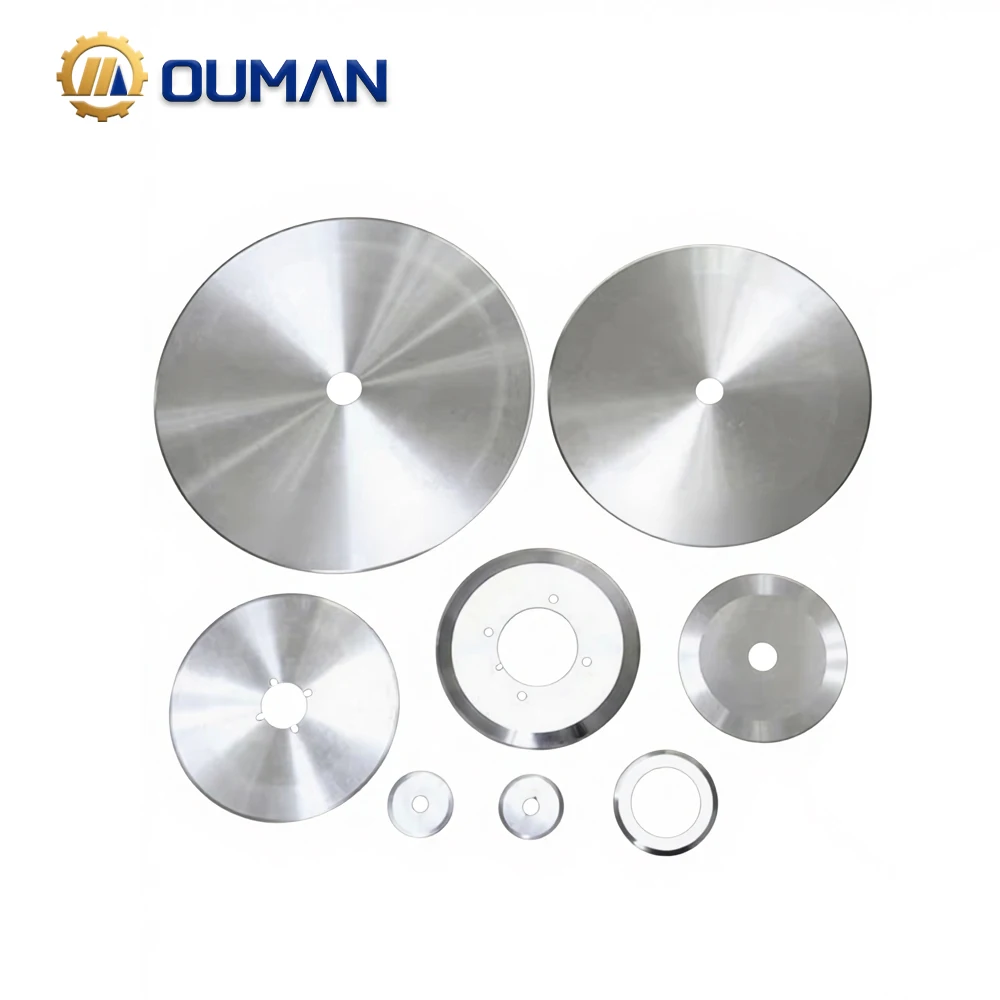
Beyond material selection, the geometry and edge design of an industrial blade significantly influence cutting performance. Straight blades provide clean, precise cuts for materials like paper, film, and foil. Serrated or toothed blades excel at cutting through tougher materials such as meat with bones, frozen foods, and dense plastics. Circular blades are designed for rotary cutting applications, delivering continuous, high-speed cutting in industries ranging from film slitting to woodworking. The edge finish—whether ground, honed, or coated—affects the blade's friction, heat generation, and cut quality. A well-designed industrial blade reduces cutting force, minimizes material waste, and extends the time between sharpening or replacement.
Wear Resistance and Maintenance of Industrial Blades
The service life of an industrial blade depends on both the material quality and the maintenance practices employed. Blades made from high-quality alloy steel and tungsten carbide maintain sharpness through long-term, high-speed cutting. However, even the best blades require regular inspection and maintenance. Signs of wear include dulling, chipping, and reduced cut quality. Implementing a scheduled blade maintenance program—including regular sharpening, proper cleaning, and timely replacement—can significantly extend blade life and reduce overall operating costs. For high-volume operations, working with a supplier who offers custom blade solutions and technical support ensures that your industrial blades are always performing at their peak.
Conclusion
Selecting the right industrial blade requires careful evaluation of material grades, blade geometry, and maintenance requirements. High-speed steel blades suit high-speed applications; tungsten carbide blades deliver superior wear resistance; and stainless steel blades are essential for food processing. By matching the blade to your specific cutting application and implementing proper maintenance practices, you can achieve optimal cutting performance, reduce downtime, and maximize the return on your blade investment.
