How to Select the Right Hard Hat for Maximum Head Protection?
Author : HitokaCece HitokaCece | Published On : 18 Aug 2026
Introduction
In the hierarchy of workplace safety, few decisions carry as much weight as selecting the right hard hat. I have walked through construction sites where the choice of head protection meant the difference between a minor incident and a life-altering injury. The global safety helmet market was estimated at USD 5.15 billion in 2025 and is projected to reach USD 9.44 billion by 2033, growing at a CAGR of 7.9%. North American markets are transitioning from traditional hard hats to safety helmets, with Type II lateral protection, chin strap retention, lightweight shells, and enhanced accessory compatibility becoming procurement priorities. Let me share what I have learned about selecting the right hard hat for maximum head protection.
Understanding Hard Hat Types and Impact Protection Standards
The foundation of hard hat selection is understanding the different types and their protection capabilities. Type I hard hats are designed to protect the upper part of the wearer‘s head against impacts that may occur in industrial settings, such as falling objects. Type II helmets, increasingly favored in North American markets, provide lateral impact protection in addition to top protection, with chin strap retention ensuring the helmet stays in place during side impacts.
Standards compliance is non-negotiable. ANSI/ISEA Z89.1-2014 (R2019) describes Types and Classes, testing and performance requirements for protective helmets. Industrial protective helmets are intended to reduce the risk of head injuries caused by impacts. European markets follow EN 397, which specifies requirements for design, performance, test methods, and markings for industrial protective helmets. When selecting hard hats, verify that the product meets the applicable standards for your region and application.
Materials and Design Features for Hard Hat Performance
The material of a hard hat determines its weight, durability, and impact resistance. Polyethylene (PE) helmets offer good impact resistance at a cost-effective price point. Acrylonitrile Butadiene Styrene (ABS) provides higher impact resistance and better temperature performance. Polycarbonate (PC) helmets offer the highest impact resistance and are often used in demanding environments.
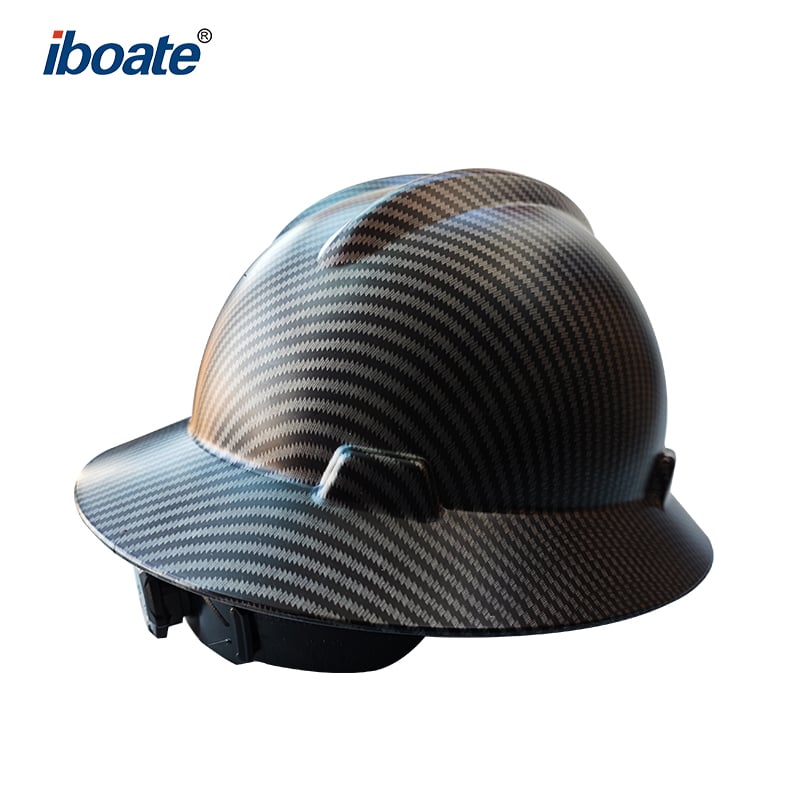
Design features significantly affect user comfort and compliance. Lightweight shells reduce neck fatigue during extended wear. Full brim helmets provide additional sun and rain protection, while half brim designs offer better visibility and ventilation. The transition toward safety helmets with Type II lateral protection, chin strap retention, and enhanced accessory compatibility reflects the industry‘s growing focus on comprehensive head protection. When selecting hard hats, consider both the protection requirements and the comfort features that will encourage consistent wear.
Application-Specific Considerations for Hard Hat Selection
Different work environments demand different hard hat characteristics. In construction and general industry, Type I helmets provide adequate protection for most overhead impact hazards. In mining, utilities, and forestry, Type II helmets with lateral protection offer enhanced safety for environments where side impacts are a risk. For electrical work, Class G (general) and Class E (electrical) helmets provide voltage protection up to 2,200 and 20,000 volts respectively. For specialized applications such as climbing and rescue, lightweight helmets with enhanced accessory compatibility are essential.
The integration of accessories—including face shields, hearing protection, and communication devices—is increasingly important. Hard hats with enhanced accessory compatibility allow workers to build comprehensive PPE systems without compromising head protection. Understanding the specific hazards of your work environment is essential for selecting hard hats that provide the right balance of protection, comfort, and functionality.
Conclusion
Selecting the right hard hat requires understanding impact protection types and applicable standards such as ANSI Z89.1 and EN 397, evaluating material options and design features that affect durability and user comfort, and considering application-specific requirements for different work environments. The global safety helmet market is growing rapidly, with Type II lateral protection and lightweight shells becoming procurement priorities. By matching hard hat specifications to your specific hazards and work conditions, safety managers and procurement professionals can ensure workers receive the protection they need while maintaining comfort and compliance.
