How to Select the Right Foundation for Every Skin Type and Tone?
Author : HitokaCece HitokaCece | Published On : 17 Jul 2026
Introduction
Over the years in the cosmetics manufacturing industry, I have seen foundation evolve from a simple color-matching product into a sophisticated skincare-makeup hybrid that addresses multiple skin concerns simultaneously. Foundation is the cornerstone of any makeup routine—it creates an even canvas, enhances complexion, and boosts confidence. But with countless formulations, finishes, and coverage levels available, selecting the right foundation for different skin types and tones can be challenging. The global foundation market continues to expand as consumers demand products that not only perfect appearance but also nourish and protect the skin. Having worked with beauty brands and retailers across multiple regions, I have learned what separates a successful foundation line from a mediocre one. In this article, I want to share how to select the right foundation for every skin type and tone.
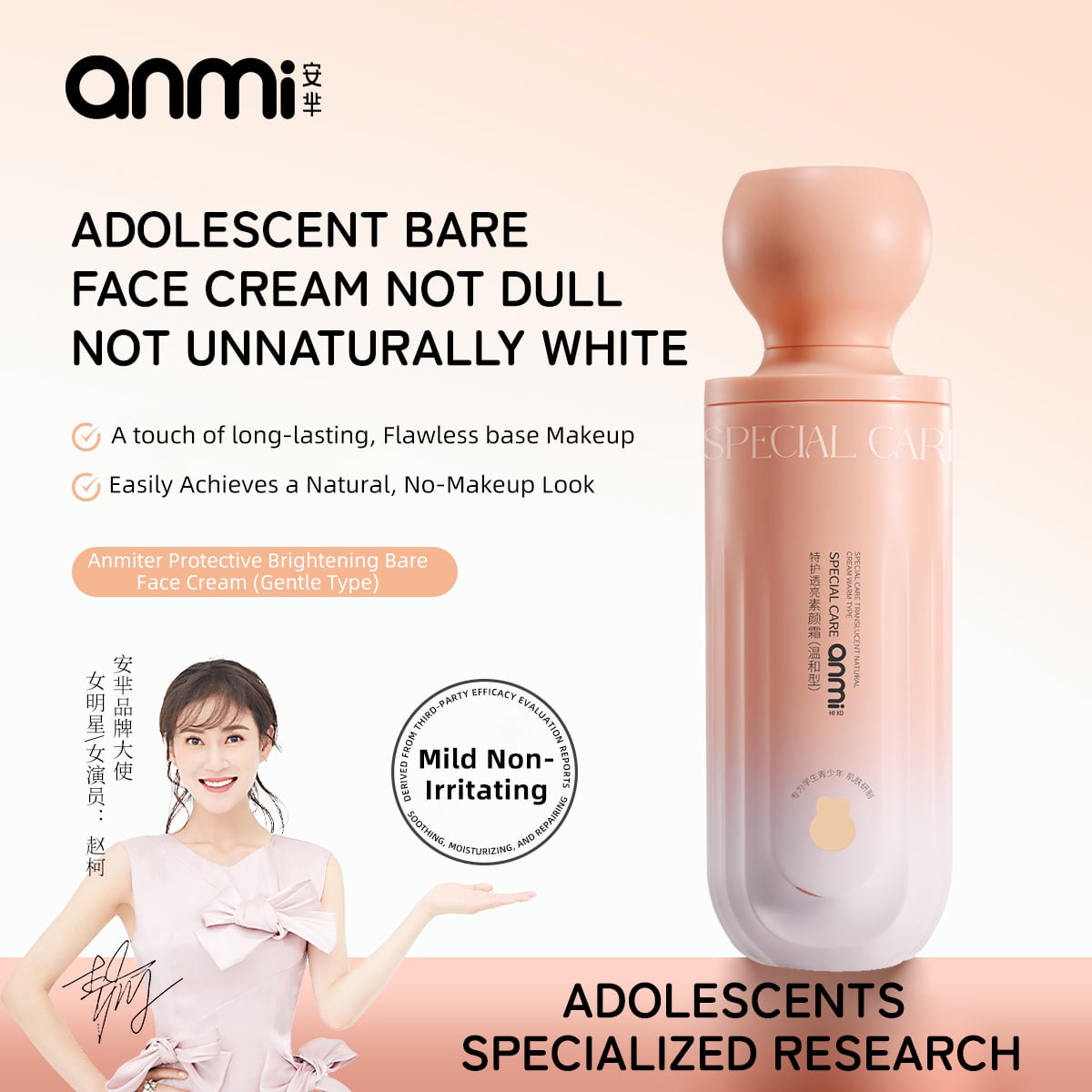
Foundation Skin Type Compatibility and Formulation
The most fundamental factor in foundation selection is compatibility with different skin types. Oily skin requires foundations with oil-absorbing properties and a matte finish that controls shine throughout the day. Water-based or gel formulations with lightweight textures are ideal for oily skin, as they provide coverage without clogging pores or adding excess oil. Dry skin, by contrast, benefits from hydrating foundations with moisturizing ingredients such as hyaluronic acid, glycerin, or natural oils. Cream and liquid foundations with dewy or satin finishes help replenish moisture and prevent flaking. Combination skin requires a balanced approach—foundations that control oil in the T-zone while providing hydration to drier areas. Sensitive skin needs foundations with minimal ingredients, free from fragrances, alcohol, and common irritants. Mineral foundations or hypoallergenic formulations are often the safest choice for sensitive skin. When developing a foundation line for retail, offering options across different skin types ensures broader consumer appeal and higher customer satisfaction. I have worked with beauty brands that built successful foundation ranges by addressing the needs of multiple skin types rather than offering a one-size-fits-all solution.
Foundation Coverage Levels and Finish Options
The second critical factor in foundation selection is coverage level and finish. Coverage ranges from sheer to full, with each level serving different consumer preferences and occasions. Sheer coverage provides a natural, barely-there look that evens out skin tone without masking the skin's natural texture. This is ideal for everyday wear and for consumers who prefer a minimal makeup routine. Medium coverage offers a balance between natural appearance and flaw correction, suitable for office wear and casual occasions. Full coverage provides maximum camouflage for blemishes, hyperpigmentation, and uneven skin tone, making it the choice for special events, photography, and consumers seeking a flawless finish. The finish of a foundation—whether matte, dewy, satin, or natural—also affects the final look and feel. Matte foundations control shine and are popular for oily skin and photography. Dewy foundations impart a radiant, glowing finish that appeals to dry skin and youthful aesthetics. Satin finishes offer a middle ground with a soft, natural sheen. Offering a range of coverage and finish options allows retailers to cater to diverse consumer preferences and occasions. I have worked with brands that diversified their foundation offerings across coverage levels and saw increased customer loyalty and repeat purchases.
Foundation Shade Range and Inclusivity
The third critical factor in foundation selection is shade range and inclusivity. Consumers come in a spectrum of skin tones, and a foundation line that does not offer shades for all tones will exclude potential customers. In recent years, the beauty industry has seen a significant shift toward inclusivity, with consumers demanding that brands offer shades for fair, medium, tan, deep, and every tone in between. A comprehensive shade range should include options with different undertones—cool, warm, and neutral—to ensure accurate color matching for every consumer. The undertone of a foundation affects how it blends with the skin's natural coloring. Offering a diverse shade range is not just about inclusivity—it is about business opportunity. Brands that have expanded their shade ranges have seen significant sales growth and customer loyalty. For retailers and beauty brands, investing in a foundation line with a broad shade range demonstrates a commitment to serving all consumers and captures a larger market share. I have worked with beauty brands that expanded their foundation shade ranges and saw immediate increases in sales and customer satisfaction.
Conclusion
Selecting the right foundation requires careful attention to skin type compatibility and formulation that addresses the needs of oily, dry, combination, and sensitive skin, coverage levels and finish options that cater to different consumer preferences and occasions, and shade range and inclusivity that ensures every consumer can find their perfect match. For beauty brands, retailers, and procurement professionals, a well-curated foundation line is not just a product category—it is the foundation of consumer trust and brand loyalty. In a competitive beauty market where consumers have more choices than ever, the right foundation line is not just a product—it is a promise of quality, inclusivity, and satisfaction.
