How to Select the Right Fabric Cutting Machine for Your Production Needs?
Author : HitokaCece HitokaCece | Published On : 03 Sep 2026
Introduction
In the textile and garment industry, the fabric cutting machine is the first step in transforming raw materials into finished products, and its performance directly affects production efficiency and product quality. I have seen manufacturers achieve 30% reductions in fabric waste and significant increases in cutting speed by upgrading to advanced CNC cutting systems. CNC automatic fabric cutting machines deliver precision and efficiency, ideal for textile and garment industries. Equipped with oscillating knives and rotary blades, these machines handle various materials like fabric, leather, foam, and rubber. Let me share what I have learned about selecting the right fabric cutting machine for your production needs.
Understanding Fabric Cutting Machine Types and Technologies
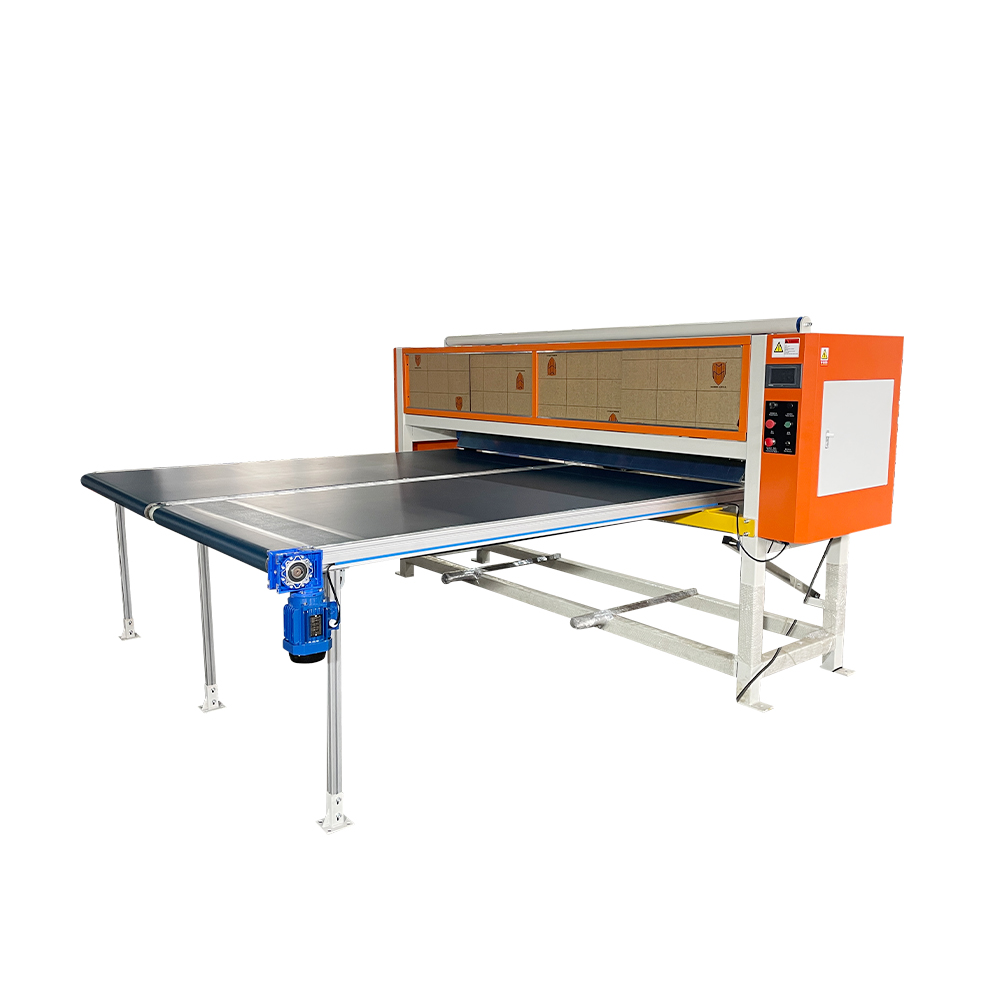
Fabric cutting machines come in several types, each suited to different applications. CNC automatic fabric cutting machines use computer-controlled oscillating knives or rotary blades to cut materials with high precision. Some models achieve cutting speeds of 3,000 to 5,000 mm/min with ±0.05mm precision. Laser cutting machines use focused laser beams to cut and seal edges simultaneously, eliminating fraying. Oscillating knife systems are versatile and can handle a wide range of materials including fabric, leather, foam, and rubber. Straight knife and round knife cutters are more traditional options suitable for smaller operations or specific applications. The choice of cutting technology depends on the materials being cut, the required precision, and the production volume.
Key Specifications for Fabric Cutting Machine Selection
When evaluating fabric cutting machines, several key specifications should be considered. Cutting speed affects production throughput—high-speed machines can significantly increase output. Precision is critical for minimizing waste and ensuring consistent quality, with some CNC systems achieving ±0.05mm precision. The machine‘s working area determines the maximum size of materials that can be processed. Material compatibility is essential—the machine should be able to handle the specific fabrics and materials used in your production. CNC digital control ensures consistent precision across long production runs, eliminating manual error. Automatic fabric thickness detection and adaptive blade pressure adjust to different materials. Real-time cutting path visualization allows operators to monitor and adjust the cutting process.
Application-Specific Considerations for Fabric Cutting Machines
Different applications demand different fabric cutting machine features. For garment manufacturing, high-speed cutting with minimal fabric waste is essential. For automotive and upholstery applications, the ability to cut leather, foam, and technical textiles is important. For technical textiles and composites, precision and edge quality are critical. The modular design of many modern cutting systems allows for customization with different tools and accessories. Some systems offer nesting software that automatically optimizes material usage, significantly reducing waste. For manufacturers seeking to improve efficiency and reduce costs, investing in a fabric cutting machine with the right features for their specific application is essential.
Conclusion
Selecting the right fabric cutting machine requires understanding the different types and technologies available—from CNC automatic systems to laser and oscillating knife cutters—evaluating key specifications including cutting speed, precision, and material compatibility, and considering application-specific requirements such as fabric type and production volume. By choosing the right machine for their needs, textile and garment manufacturers can achieve significant improvements in productivity, quality, and cost efficiency.
