How to Select the Right Endolaser for Minimally Invasive Procedures?
Author : HitokaCece HitokaCece | Published On : 13 Aug 2026
Introduction
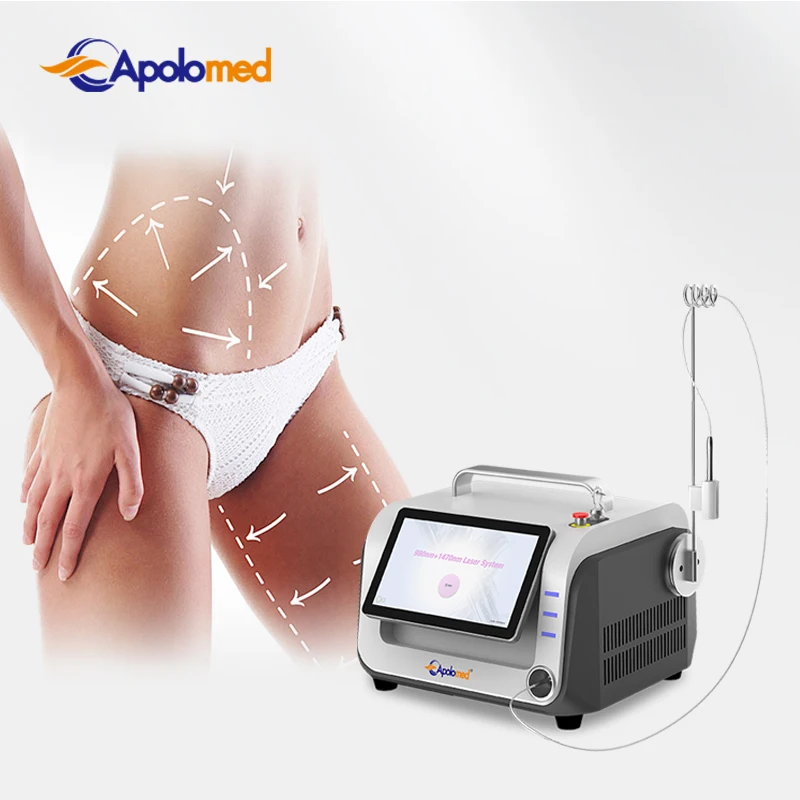
Endolaser technology represents the convergence of laser precision with minimally invasive surgical principles, offering patients effective treatment with reduced trauma and faster recovery. I have seen endolaser procedures transform the treatment of conditions that previously required open surgery, and the patient satisfaction is consistently high. Endolaser systems deliver laser energy through optical fibers inserted into the treatment area via small incisions or cannulas. The technology is used for a range of applications including laser-assisted lipolysis, vein treatment, and various dermatological procedures. Selecting the right endolaser requires understanding the technical specifications, delivery systems, and clinical applications. Let me share what you need to know about selecting the right endolaser for minimally invasive procedures.
Wavelength Selection and Tissue Interaction in Endolaser Systems
The wavelength of an endolaser system determines its tissue interaction and clinical applications. The 1064nm Nd:YAG wavelength is the most commonly used in endolaser systems, offering deep tissue penetration and excellent absorption by hemoglobin and water. For laser-assisted lipolysis, the 1064nm wavelength effectively targets adipose tissue while providing hemostatic effects. For vein treatment, the 1064nm wavelength is absorbed by hemoglobin in the blood vessels, causing thermal coagulation and vessel closure. The 980nm diode wavelength is another option, offering good absorption by water and hemoglobin with slightly shallower penetration. The choice of wavelength should be based on the specific clinical application and the target tissue characteristics. A thorough understanding of wavelength-tissue interaction is essential for selecting the right endolaser system.
Delivery Systems and Technical Specifications of Endolaser Devices
The delivery system of an endolaser device is as important as the laser source itself. Endolaser systems use optical fibers of varying diameters—typically 200μm to 1000μm—to deliver laser energy to the treatment site. The fiber must be flexible enough to navigate through cannulas while maintaining efficient energy transmission. Power output typically ranges from 10W to 30W for most endolaser applications, with adjustable parameters for different tissue types and treatment depths. Safety features are essential, including real-time temperature monitoring, automatic shut-off mechanisms, and fiber tip detection. The endolaser system should be portable and easy to set up in an operating room or procedure suite. When evaluating endolaser devices, consider the fiber options, power output range, and safety features that match your clinical requirements.
Clinical Applications and Training Requirements for Endolaser
Endolaser technology is used in a growing range of clinical applications. In aesthetic medicine, laser-assisted lipolysis (laser liposuction) is one of the most common applications, using the endolaser to liquefy adipose tissue before aspiration. Endovenous laser ablation treats varicose veins by delivering laser energy through a fiber inserted into the vein, causing thermal closure. Other applications include treatment of hidradenitis suppurativa, pilonidal sinus, and various dermatological conditions. The successful use of endolaser technology requires appropriate training and experience. Practitioners must understand the anatomy, the tissue effects of the laser, and the technical aspects of fiber handling and delivery. When selecting an endolaser system, consider the training and support provided by the manufacturer, as well as the clinical evidence supporting the device‘s use for your intended applications.
Conclusion
Selecting the right endolaser for minimally invasive procedures requires understanding wavelength selection, delivery systems, and clinical applications. The 1064nm Nd:YAG wavelength offers deep penetration and versatility for laser-assisted lipolysis and vein treatment. The delivery system—including fiber diameter, power output, and safety features—must match the clinical requirements. And appropriate training and experience are essential for safe, effective use. By carefully evaluating these factors, clinic owners and practitioners can select endolaser systems that deliver optimal clinical outcomes and patient satisfaction in minimally invasive procedures.
