How to Reconstitute Glutathione 1500mg: Step-by-Step Instructions
Author : Elite Bioscience | Published On : 30 Mar 2026
Glutathione 1500mg vials are one of the most searched products in the injectable wellness space, and the reconstitution process trips up more people than you would expect. The confusion usually centers on one question: how much bacteriostatic water do you actually add? This article answers that clearly and walks through the full preparation process.
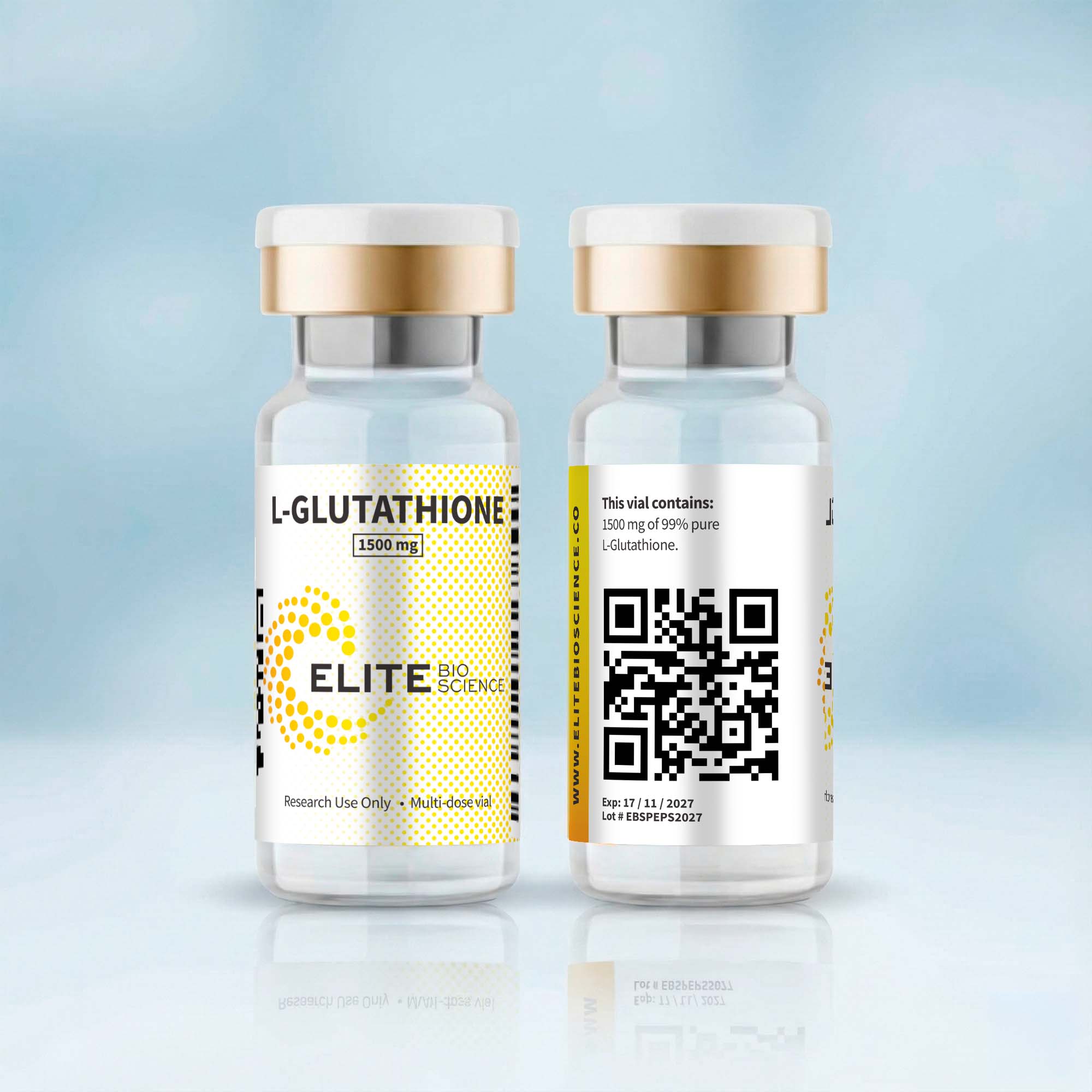
You can order a glutathione 1500mg vial from Elite Bioscience along with bacteriostatic water and all the supplies needed for preparation. Their product pages include specific handling and reconstitution guidance as well.
What You Need Before You Start
Getting your supplies organized before you begin makes the whole process go smoothly. Nothing is more frustrating than getting to a key step and realizing you are missing something.
-
Glutathione 1500mg lyophilized vial
-
Bacteriostatic water (not sterile water, not saline)
-
A 3mL or 5mL syringe for drawing the bac water
-
A 23-gauge or 25-gauge needle for reconstitution
-
Insulin syringes for dosing
-
Alcohol swabs
How Much Bacteriostatic Water for 1500mg Glutathione?
The standard recommendation is 5mL of bacteriostatic water for a 1500mg glutathione vial. This gives you a concentration of 300mg per mL, which makes dosing math simple. If your target dose is 300mg, you draw 1mL. If your target dose is 600mg, you draw 2mL.
Some people prefer a more concentrated solution and use 3mL of bacteriostatic water, which gives 500mg per mL. This works fine but leaves less margin for dosing precision if you are using standard insulin syringes. The 5mL dilution is generally easier to work with day to day.
If you are not sure where to get quality bacteriostatic water, the supplies section on Elite Bioscience stocks it alongside the glutathione vials themselves.
Step-by-Step Reconstitution Process
-
Wash your hands thoroughly. This seems obvious but is the single most important infection-prevention step.
-
Wipe both vial tops with an alcohol swab. Wipe the glutathione vial and the bacteriostatic water vial. Let them air dry for 30 seconds.
-
Draw 5mL of bacteriostatic water into your 5mL syringe using your reconstitution needle.
-
Insert the needle into the glutathione vial at an angle and slowly inject the bac water down the inside wall of the vial rather than directly onto the powder. This is important because glutathione powder can degrade if hit with a forceful water stream.
-
Gently swirl the vial. Do not shake it. Swirling allows the lyophilized powder to dissolve without damaging the peptide bonds. Give it 30 to 60 seconds of gentle rotation.
-
Check that the solution is clear. Reconstituted glutathione should look clear to very slightly yellow. Cloudiness or particulate matter after proper reconstitution indicates a problem with the vial.
-
Refrigerate immediately. Once reconstituted, store the vial at 2 to 8 degrees Celsius. Do not freeze.
Subcutaneous vs Intramuscular: Which Route for Glutathione?
Subcutaneous administration is the more practical choice for most people self-administering glutathione at home. The injection is shallower, uses a smaller needle, and causes less discomfort. The most common injection site is the abdomen, about two inches from the navel.
Intramuscular injection is also used, particularly in clinical settings, and may have a slightly different absorption profile. For home use with a 1500mg vial, subcutaneous is the standard approach.
The Elite Bioscience mixing and dosing guide covers injection technique in more detail along with guidance on other compounds you might be using alongside glutathione.
Typical Dosing Protocol for Injectable Glutathione
Dosing ranges vary considerably depending on the goal. For general antioxidant support and immune health, many people use 200mg to 400mg two to three times per week. For skin brightening purposes, doses are often higher, sometimes 600mg or more per session.
What matters more than the single dose is consistency. Injectable glutathione builds up systemic levels over time, and the benefits become more noticeable after several weeks of regular use. Expecting dramatic results from a single injection is not realistic with this compound.
Shelf Life After Reconstitution
Once you have added bacteriostatic water to the vial, you are working with a solution that is stable for approximately 21 to 30 days when properly refrigerated. The benzyl alcohol in bacteriostatic water helps maintain sterility during this period, which is why using bacteriostatic water rather than plain sterile water matters for multi-dose vials.
Write the reconstitution date on the vial with a marker or label. If you are not sure about the quality of your bacteriostatic water supply, the RX NAD 500mg product page and other Elite Bioscience product pages list storage specifications that apply broadly to all their injectable compounds.
What to Do if the Powder Does Not Dissolve Fully
Glutathione is generally highly soluble and should dissolve completely. If you see remaining particles after several minutes of gentle swirling, check whether your bacteriostatic water was at room temperature. Cold bac water can slow dissolution. Allow the vial to sit at room temperature for a few more minutes and swirl again.
If there is still material that will not dissolve, the vial may have degraded prior to reconstitution, particularly if it was exposed to heat or moisture before use. This is a reason to source compounds from suppliers who maintain cold chain storage and proper packaging.
Key Takeaway
Reconstituting glutathione 1500mg is a simple process when you have the right supplies and follow a consistent technique. Use 5mL of bacteriostatic water for easy dosing math, inject slowly along the vial wall, swirl gently, and refrigerate immediately. If you need high-quality glutathione vials and bacteriostatic water, Elite Bioscience stocks both and ships domestically within two to four business days.
