How to Recognize the Early Warning Signs of Dead Arm Syndrome
Author : maddy smith | Published On : 12 Nov 2026
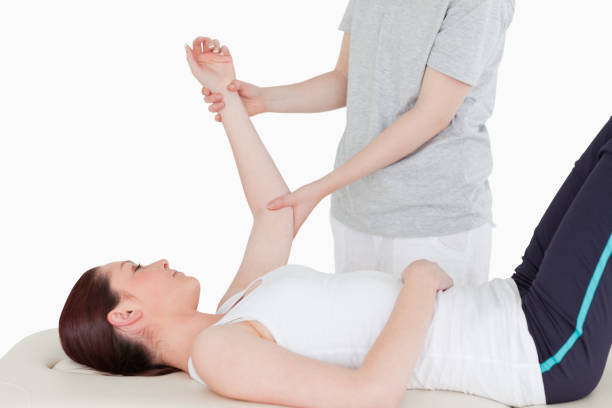
Shoulder pain and arm weakness can affect people who play sports, exercise regularly, or perform activities that involve repeated arm movements. While occasional muscle soreness may happen after physical activity, ongoing discomfort or a sudden loss of arm strength should not be ignored. These symptoms may point to an underlying shoulder problem that needs proper attention.
Dead Arm Syndrome is a term used to describe symptoms such as sudden arm weakness, shoulder discomfort, numbness, or difficulty controlling arm movements. It is often seen in athletes who perform repeated overhead activities, such as throwing, swimming, tennis, and volleyball. However, people who lift heavy objects or perform repetitive tasks at work may also experience similar shoulder problems.
Recognizing the early warning signs can help people understand when something is wrong and when they should seek professional care. Early attention may also help prevent further shoulder problems and make it easier to return to normal activities.
What Is Dead Arm Syndrome?
Dead Arm Syndrome describes a group of symptoms that can affect the shoulder and upper arm. People experiencing these symptoms may suddenly feel that their arm has become weak, heavy, painful, or difficult to control.
The condition is commonly linked to problems involving the shoulder joint, muscles, tendons, ligaments, or nearby nerves. The shoulder allows the arm to move in many directions, but it needs proper muscle support and joint stability to work correctly.
Repeated overhead movements can place extra stress on these structures. Over time, this stress may lead to irritation, weakness, or shoulder instability.
Some common situations that may trigger symptoms include:
-
Throwing a ball repeatedly during sports.
-
Lifting weights above shoulder level.
-
Performing repeated swimming strokes.
-
Playing tennis, badminton, or volleyball.
-
Carrying or lifting heavy objects at work.
Early Warning Signs of Dead Arm Syndrome
The symptoms may develop slowly or appear during a particular activity. Paying attention to small changes in shoulder movement and arm strength can help identify a possible problem early.
1. Sudden Weakness in the Arm
One of the first signs is a sudden feeling of weakness in the affected arm. You may find it harder to lift your arm, hold an object, or complete movements that were previously easy.
Athletes may notice that their throwing power has decreased or that their arm does not respond as expected during practice. Some people may also feel that their arm becomes unusually tired after a short period of activity.
This weakness may be related to shoulder injuries, muscle problems, or nerve irritation. If it happens repeatedly, it is important to get the shoulder checked instead of continuing to put pressure on it.
2. Pain During Overhead Movements
Shoulder pain during overhead activities is another warning sign. You may notice discomfort when reaching for something on a high shelf, lifting weights, throwing a ball, or serving in tennis.
The pain may begin as a mild ache and become more noticeable with repeated movement. Some people experience it only during exercise, while others may feel discomfort during normal daily activities.
Possible reasons include:
-
Rotator cuff irritation or injury.
-
Shoulder impingement.
-
Joint instability.
-
Inflammation around the shoulder.
Pain that continues or keeps returning should be assessed by a healthcare professional.
3. Numbness or Tingling Sensations
Numbness and tingling in the arm can also be warning signs of an underlying problem. Some people experience a pins-and-needles feeling in their upper arm, forearm, or hand.
These sensations may occur when nerves around the neck, shoulder, or upper back become irritated or compressed. Nerve-related problems can also affect muscle control and make the arm feel weak.
If numbness continues, becomes worse, or occurs with noticeable weakness, seek medical advice. These symptoms should not automatically be assumed to come from the shoulder joint.
4. Reduced Strength During Sports
Athletes may notice changes in their performance before experiencing serious pain. For example, a baseball player may struggle to throw with the same speed, while a tennis player may find it difficult to serve with normal power.
These changes may happen because the shoulder muscles are not working properly or are unable to provide enough support during movement.
Watch for changes such as:
-
Reduced throwing speed.
-
Difficulty serving or hitting a ball.
-
Less control during overhead movements.
-
Increased arm tiredness during practice.
A repeated drop in performance may be a sign that the shoulder needs attention.
5. A Feeling of Shoulder Instability
Shoulder instability can make the joint feel loose or unsupported. Some people describe it as though the shoulder might slip out of place when they move their arm in certain directions.
This feeling may become more noticeable when reaching backward, lifting weights, or performing overhead activities.
It can be related to stretched ligaments, previous shoulder injuries, or weakness in the muscles that support the joint. A proper examination can help identify the cause and guide the right treatment.
6. Clicking or Popping Sounds
Clicking and popping sounds may occur when moving the shoulder. You might notice these sounds while raising your arm, rotating your shoulder, or reaching behind your back.
Occasional clicking without pain is not always a sign of an injury. However, repeated clicking along with pain, weakness, or instability should not be ignored.
What Causes Dead Arm Syndrome?
Dead Arm Syndrome is not a single medical diagnosis. Similar symptoms can develop because of different shoulder and nerve-related problems.
Some common causes and contributing factors include:
Repeated overhead movements: Activities such as throwing, swimming, and weightlifting can place repeated stress on the shoulder.
Shoulder instability: Stretched ligaments or damage to the joint structures may make it harder for the shoulder to remain stable.
Rotator cuff injuries: Problems involving the muscles and tendons around the shoulder can affect strength and normal movement.
Labral injuries: Damage to the cartilage around the shoulder socket may cause pain, weakness, or a feeling of instability.
Muscle weakness: Weak shoulder and upper back muscles may reduce the support needed for proper joint movement.
Poor exercise technique: Incorrect throwing methods or lifting habits can place extra pressure on the shoulder.
Understanding the cause is important because treatment needs to address the actual problem rather than only reducing discomfort.
Who Is More Likely to Experience Dead Arm Syndrome?
Although athletes are more likely to experience this problem, it can also affect people who perform repeated arm movements during their daily work.
People who regularly put pressure on their shoulders may develop symptoms over time. The risk may increase when they do not allow enough time for recovery.
Some groups who may experience related shoulder problems include:
-
Baseball and softball players who throw frequently.
-
Tennis and badminton players who perform repeated overhead movements.
-
Swimmers who use their shoulders continuously.
-
Volleyball players who regularly serve and hit the ball.
-
Weightlifters who perform heavy overhead exercises.
-
Workers who frequently lift or carry heavy objects.
A previous shoulder injury, poor exercise technique, and sudden increases in training can also contribute to these problems.
How Is Dead Arm Syndrome Diagnosed?
Finding the actual reason behind arm weakness and shoulder pain is important for choosing the right treatment. A healthcare professional will usually begin by asking about your symptoms, physical activities, previous injuries, and medical history.
A physical examination may include checking shoulder strength, flexibility, movement, and joint stability. The professional may also ask you to move your arm in different directions to understand which movements cause discomfort.
Depending on the symptoms, some additional tests may be recommended:
-
Physical examination: Helps identify pain, weakness, and limited shoulder movement.
-
X-rays: Help check the shoulder bones and identify certain injuries.
-
MRI scans: Provide detailed images of soft tissues, including tendons, ligaments, and cartilage.
-
Ultrasound: Helps examine the rotator cuff and other soft tissues around the shoulder.
Not everyone needs these tests. The choice depends on the symptoms and the findings of the physical examination.
AAOS+1
Treatment Options for Dead Arm Syndrome
Treatment depends on what is causing the symptoms and how much the shoulder is affected. Many people can improve with proper care, changes in physical activity, and a suitable rehabilitation plan.
Rest and Activity Changes
Reducing activities that cause shoulder pain can help prevent further irritation. Athletes may need to take a break from throwing, swimming, serving, or heavy overhead exercises.
However, complete rest is not always necessary. Gentle movements that do not increase discomfort may help maintain normal shoulder movement.
Physical Therapy and Strengthening Exercises
Physical therapy can help improve shoulder strength, flexibility, and movement. A therapist may recommend exercises that focus on the rotator cuff and shoulder blade muscles.
These exercises help improve muscle support around the shoulder joint and make arm movements more controlled.
Cold Therapy and Pain Relief
Applying a cold pack wrapped in a towel may help reduce discomfort after physical activity. Avoid placing ice directly on the skin.
If pain continues, a healthcare professional may recommend suitable pain-relief options based on your condition.
Guided Rehabilitation
A proper rehabilitation plan helps people gradually return to their regular activities. It may include stretching, strengthening exercises, posture guidance, and movement training.
Returning to sports or heavy exercise too soon can increase the risk of further problems. It is better to regain proper strength and movement before returning to demanding activities.
AAOS+1
When Should You Seek Professional Help?
Mild shoulder soreness after exercise may improve with rest. However, repeated weakness, ongoing pain, or changes in arm movement should not be ignored.
Consider getting professional advice if you notice:
-
Repeated episodes of sudden arm weakness.
-
Shoulder pain that continues or keeps returning.
-
Difficulty lifting or rotating your arm.
-
Numbness or tingling that does not improve.
-
A feeling that your shoulder is slipping out of place.
-
Reduced strength during sports or everyday activities.
Sudden severe weakness, especially with facial drooping, speech difficulties, or sudden numbness, requires emergency medical attention because these may be signs of a stroke. A visibly deformed shoulder or severe pain after an injury also needs urgent assessment.
How to Prevent Shoulder Problems
Taking care of your shoulders can help reduce the risk of injuries caused by repeated movements. Healthy exercise habits and proper recovery are important for maintaining shoulder strength and movement.
Here are some simple ways to protect your shoulders:
-
Warm up before sports and exercise.
-
Strengthen your shoulder and upper back muscles.
-
Avoid increasing workout intensity too quickly.
-
Use proper techniques when lifting weights or throwing.
-
Give your body enough time to recover.
-
Maintain good posture during work and daily activities.
-
Stop movements that cause repeated pain or weakness.
Athletes should also pay attention to changes in throwing speed, arm strength, and shoulder movement. These changes can help identify a possible problem before it begins to affect performance.
Final Thoughts
Recognizing the early warning signs of Dead Arm Syndrome can help you take better care of your shoulder health. Symptoms such as sudden arm weakness, shoulder pain, numbness, reduced throwing strength, and joint instability should not be treated as normal muscle tiredness, especially when they continue to return.
Getting the right assessment and following a suitable treatment plan can help improve shoulder movement, restore strength, and reduce the risk of further problems. Early attention is also important for athletes who want to return to their regular activities safely.
If you are experiencing ongoing shoulder discomfort or difficulty moving your arm, consulting a qualified healthcare professional can help you understand the cause. Seeking guidance from a Chiropractor San Francisco can also be a step toward understanding your musculoskeletal concerns and exploring suitable care options.
Taking care of your shoulders today can help you maintain better movement, strength, and comfort in your daily life.
