How to receive international payments as a freelancer in 2026
Author : Usatrust Wallets | Published On : 18 Apr 2026
How to Receive International Payments as a Freelancer in 2026
Introduction
The freelance economy has never been more global. Whether you're a graphic designer in Dhaka working with a startup in San Francisco, or a copywriter in Lagos collaborating with an agency in London, getting paid across borders is now a core part of freelance life. Read More....
[caption id="attachment_178" align="aligncenter" width="2560"] How to receive international payments as a freelancer in 2026[/caption]
But international payments can be frustrating — high fees, slow transfers, confusing currency conversions, and tax complications are all too common. The good news? In 2026, there are more smart, affordable options than ever before. How to receive international payments as a freelancer in 2026.
This guide walks you through everything you need to know: the best platforms, how bank transfers work, what digital wallets to use, how to invoice clients, and how to handle taxes — all in one place.
Why International Payments Can Be Tricky
Before diving into solutions, it helps to understand the challenges:
- Currency conversion fees — Banks and some platforms charge 2–5% just to convert your currency.
- Transfer delays — Traditional SWIFT bank transfers can take 3–5 business days.
- Hidden charges — Receiving fees, intermediary bank fees, and withdrawal fees add up fast.
- Compliance requirements — Some countries require you to declare international income within a specific window.
- Client trust — Not all clients are comfortable sending money to an unfamiliar platform.
The right method depends on your location, your client's location, the amount, and how often you get paid.
Method 1: Wise (Formerly TransferWise)
Best for: Freelancers who want low fees and real exchange rates.
Wise is one of the most popular tools for freelancers receiving international payments in 2026. It gives you local bank account details in multiple currencies (USD, EUR, GBP, AUD, and more) — so clients can pay you like a local, even if you're halfway across the world. How to receive international payments as a freelancer in 2026
Key features:
- Real mid-market exchange rate (no markup)
- Fees as low as 0.41% for most transfers
- Multi-currency account: hold, convert, and send in 50+ currencies
- Debit card available in many countries
- Fast transfers — often same or next day
How it works for freelancers:
- Open a Wise account (free)
- Get your local account details (e.g., a US routing + account number)
- Share those details with your client as if it were a local account
- Receive the payment, then convert and withdraw to your local bank
Watch out for: Wise is not available in every country. Check availability for your region before relying on it. How to receive international payments as a freelancer in 2026
[caption id="attachment_180" align="aligncenter" width="2560"]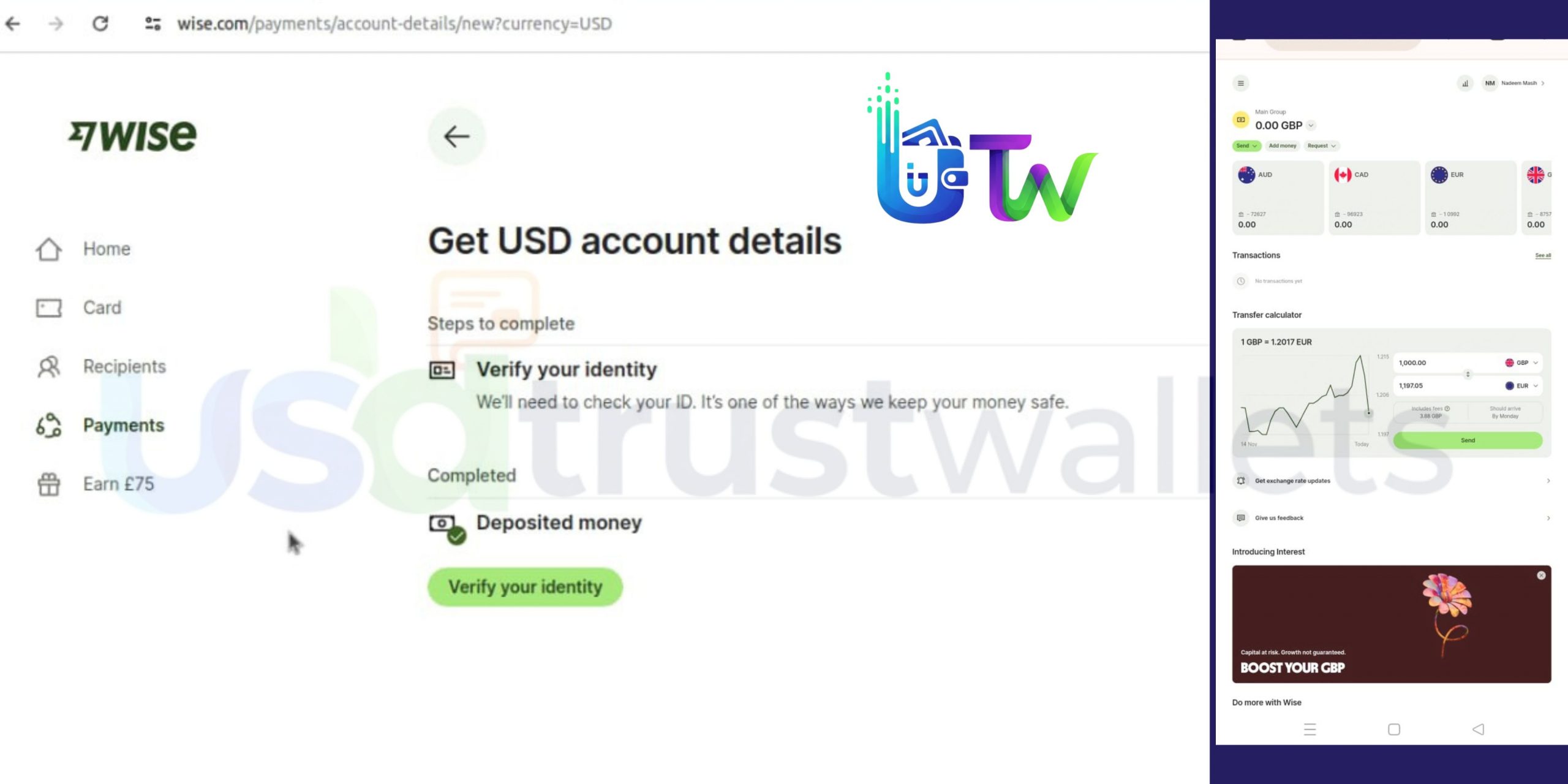 Buy Verified Wise Accounts[/caption]
Method 2: Payoneer
Best for: Freelancers on platforms like Upwork, Fiverr, or Amazon.
Payoneer is widely used across Asia, Africa, and the Middle East — regions where other platforms have limited reach. It's directly integrated with many freelancing platforms, making it seamless if you work through marketplaces.
Key features:
- Receive payments from 190+ countries
- Virtual US, EU, UK bank accounts
- Withdraw to your local bank or use a prepaid Mastercard
- Business payment requests (send invoices directly)
- Relatively lower fees when receiving from other Payoneer users
Fees to know:
- Receiving from clients directly: 3% for credit card payments
- Bank withdrawal: small flat fee depending on your country
- Currency conversion: around 2% above mid-market rate
Tip: If your client is also on Payoneer, transfers between Payoneer accounts are free. How to receive international payments as a freelancer in 2026
[caption id="attachment_184" align="aligncenter" width="2560"]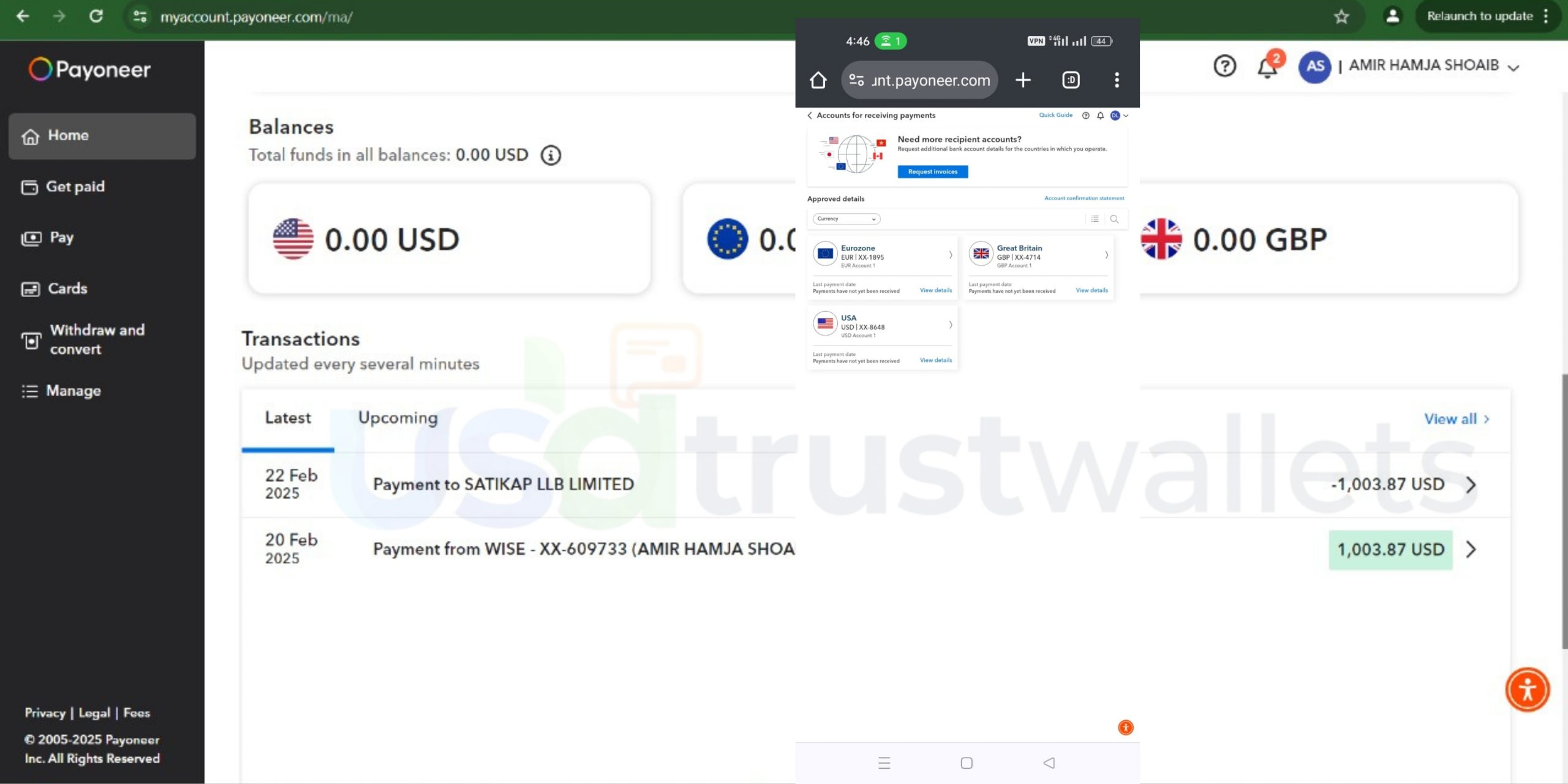 Buy Verified Payoneer Accounts[/caption]
Method 3: PayPal
Best for: Clients in the US, UK, EU who prefer a familiar platform.
PayPal remains a widely trusted payment option for many Western clients. It's recognisable, easy to use, and fast. However, it's not always the cheapest option for freelancers. How to receive international payments as a freelancer in 2026.
Key features:
- Instant transfers between PayPal accounts
- Widely accepted by international clients
- Invoicing tool built in
- Available in 200+ countries
Cons:
- Currency conversion fee: around 3–4%
- Withdrawal fees to local bank may apply
- Account holds and freezes are more common than competitors
- Not available in all countries (e.g., restricted in some African and South Asian markets)
Best practice: Use PayPal if your client insists, but set your rates slightly higher to cover the fees.
[caption id="attachment_176" align="aligncenter" width="2560"] Buy Verified PayPal Accounts[/caption]
Method 4: International Bank Transfers (SWIFT/SEPA)
Best for: Large payments where wire transfer is preferred.
For high-value projects — think $2,000 or more — a direct international bank transfer (via SWIFT) might actually make the most sense. The fee is usually a flat amount ($15–$40 on the sender's end), which becomes less significant on bigger sums. How to receive international payments as a freelancer in 2026
How it works:
- Share your bank's SWIFT/BIC code, IBAN (or account number), and bank address
- Client initiates the transfer from their bank
- Money arrives in 2–5 business days
SEPA transfers (within Europe) are faster and often free or very cheap — a great option if both you and your client are based in European countries. How to receive international payments as a freelancer in 2026
Things to watch for:
- Intermediary bank fees can silently deduct from your payment
- Currency conversion at your bank may be unfavourable
- Always request the client send the full amount and bear all transfer charges
[caption id="attachment_381" align="aligncenter" width="2560"] Buy Verified Airwallex Accounts[/caption]
Method 5: Crypto Payments (USDT, USDC, Bitcoin)
Best for: Tech-savvy freelancers in countries with currency instability or limited banking.
In 2026, crypto payments have become a mainstream option for many freelancers — particularly those in countries where the local currency is volatile or where access to services like Wise or PayPal is restricted. How to receive international payments as a freelancer in 2026
Why stablecoins (USDT/USDC) are popular:
- Pegged to the US dollar — no volatility risk
- Near-instant transfers
- Very low transaction fees (especially on networks like Polygon, Solana, or Tron)
- No bank account required
How to get paid in crypto:
- Set up a crypto wallet (MetaMask, Trust Wallet, or a centralised exchange like Binance)
- Share your wallet address with your client
- Receive USDT or USDC
- Convert to local currency via a local exchange or P2P platform
Important: Always clarify the network before sharing your wallet address. Sending on the wrong network can result in lost funds.
Tax note: In most jurisdictions, crypto income is taxable. Record the USD value of the payment at the time you receive it.
[caption id="attachment_268" align="aligncenter" width="2560"] Buy Verified Paxful Accounts[/caption]
Method 6: Freelance Platform Built-In Payments
Best for: Freelancers who source clients through platforms.
If you find clients through Upwork, Fiverr, Toptal, or similar platforms, you'll use their built-in payment systems. These platforms hold escrow, protect you from non-payment, and have their own withdrawal methods (usually Payoneer, PayPal, or direct bank transfer). How to receive international payments as a freelancer in 2026
Pros:
- Payment protection built in
- No need to chase invoices
- Automatic currency handling
Cons:
- Platform fees range from 5–20% of your earnings
- Less flexibility for long-term client relationships
- You're dependent on platform policies
Tip: Once you've built trust with a client through a platform, many freelancers move to direct payment arrangements — saving both parties money on platform fees. How to receive international payments as a freelancer in 2026
[caption id="attachment_286" align="aligncenter" width="2560"] Buy Verified Airwallex Accounts[/caption]
How to Invoice International Clients
A professional invoice protects you and makes it easy for clients to pay. Here's what to include:
- Your full name or business name
- Invoice number (for your records and theirs)
- Invoice date and due date (Net 15 or Net 30 are standard)
- Itemised breakdown of services
- Total amount in the agreed currency (usually USD or EUR for international work)
- Payment method details (your Wise account details, PayPal email, wallet address, etc.)
- Any late payment terms
Tools to create professional invoices:
- Wave (free)
- Bonsai
- AND.CO
- FreshBooks
- PayPal's built-in invoicing tool
Always agree on the currency before starting the project. Billing in USD or EUR protects you from your local currency fluctuating against what you were promised. How to receive international payments as a freelancer in 2026
How to Minimise Transfer Fees
Fees can quietly erode your earnings. Here's how to reduce them:
- Receive in the client's currency, convert strategically — Use Wise to hold the payment in USD, then convert when the rate is favourable.
- Batch payments — Instead of weekly micro-transfers, ask clients to pay monthly to reduce the number of transaction fees.
- Negotiate who pays transfer fees — Add a line to your contract: "Client is responsible for all transfer and conversion fees."
- Compare platforms — Use tools like Monito.com to compare live rates across platforms before choosing where to receive a payment.
- Avoid bank conversion — If your bank automatically converts incoming foreign currency, opt out and use a dedicated platform instead.
How to receive international payments as a freelancer in 2026
Tax Tips for Freelancers Receiving International Payments
Tax rules vary widely by country, but here are universal best practices:
1. Track Every Payment
Keep a record of every international payment received: date, amount, currency, exchange rate, and platform. This is essential for filing taxes accurately.
2. Declare Foreign Income
In most countries, income earned from foreign clients is still taxable in your home country. Failing to declare it is a legal risk.
3. Understand Your Country's Reporting Requirements
Some countries (like Bangladesh, India, and Nigeria) require freelancers to repatriate foreign earnings or declare them within a certain window. Check with a local accountant familiar with freelance income.
4. Use the Right Exchange Rate for Reporting
When reporting income in your local currency, use the exchange rate on the date the payment was received — not the date you withdrew it.
5. Consider Registering as a Business
In many countries, registering as a sole proprietor or private limited company gives you access to business bank accounts, makes invoicing more credible, and may allow you to deduct business expenses.
6. Set Aside Taxes as You Go
A simple rule: set aside 20–30% of every payment for taxes. It's far better to have surplus at the end of the year than to be caught short. How to receive international payments as a freelancer in 2026
Comparison Table: Best Platforms at a Glance
| Platform | Best For | Fees | Speed | Availability |
|---|---|---|---|---|
| Wise | Low fees, real rate | ~0.41–1% | 1–2 days | 80+ countries |
| Payoneer | Platform freelancers | 1–3% | 1–3 days | 190+ countries |
| PayPal | Western clients | 3–5% | Instant | 200+ countries |
| SWIFT Transfer | Large payments | $15–$40 flat | 3–5 days | Global |
| Crypto (USDT) | Unbanked/volatile regions | <1% | Minutes | Global |
| Upwork/Fiverr | Platform-based work | 5–20% | Per platform | Global |
Which Method Should You Choose?
There's no single best answer — it depends on your situation:
- If you're in South/Southeast Asia or Africa → Start with Payoneer or Wise
- If your client is in the US or Europe → Wise or PayPal work well
- If you're working on big projects → SWIFT bank transfer (flat fee makes more sense at scale)
- If you're in a country with limited access → Crypto stablecoins (USDT/USDC) are a strong option
- If you found the client on a platform → Use the platform's built-in system for protection
When in doubt, offer your client two or three options and let them choose what's easiest on their end. The smoother the payment experience, the more likely they are to hire you again.
Final Thoughts
Getting paid internationally as a freelancer is no longer a barrier — it's just a process. With the right tools, a clear invoicing system, and an understanding of your tax obligations, you can receive money from clients anywhere in the world efficiently and affordably. How to receive international payments as a freelancer in 2026
Start with one platform, test it, and expand from there. The most successful freelancers treat their payment setup as part of their professional brand — smooth, reliable, and trustworthy.
Tags: international payments freelancer, how to get paid internationally, Wise for freelancers, Payoneer vs PayPal, freelance invoicing 2026, cross-border payments, freelancer tax tips, SWIFT transfer freelancer, crypto payments freelancer, receive foreign currency
[caption id="attachment_178" align="aligncenter" width="2560"] How to receive international payments as a freelancer in 2026[/caption]
