How to Prepare for a Newborn Photography Session?
Author : Naomi smith | Published On : 08 Jul 2026
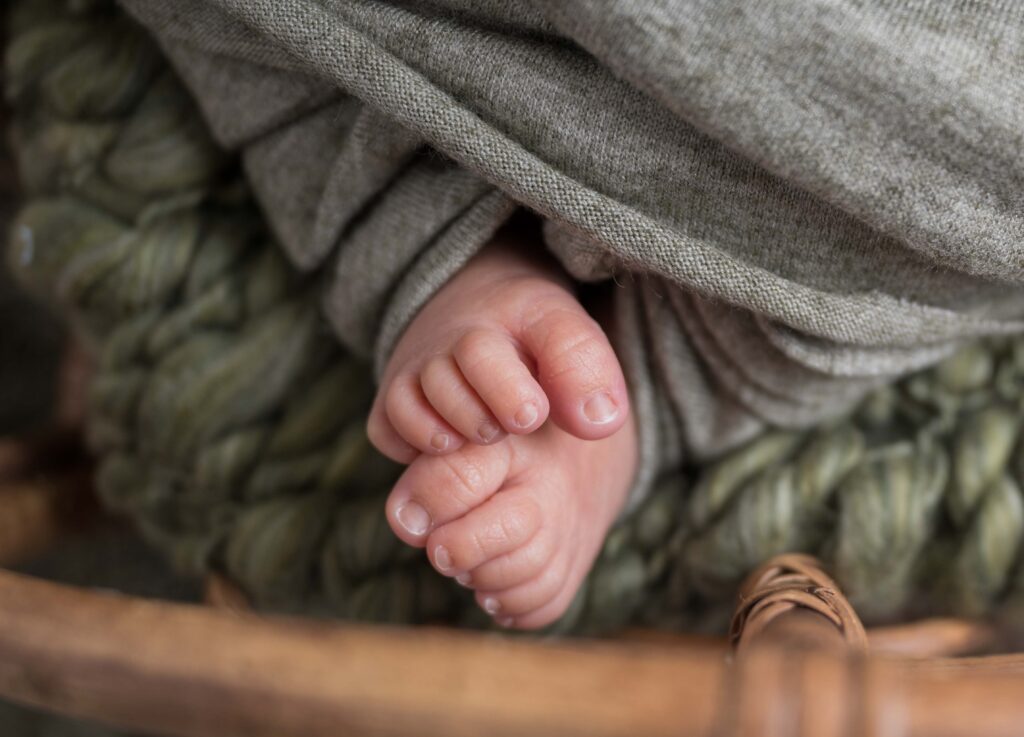
Plan your session for the early newborn window, and give yourself a long time block. Most newborn sessions run about two to four hours, and that time is normal for feeding, diaper changes, and settling. Aim to schedule within the first few weeks after birth, since babies stay sleepier and are easier to pose.
Prepare your baby for comfort, then keep your own expectations gentle. Feed right before you leave, bring extra milk or formula, and dress your baby in something that comes off easily. Choose simple clothing for parents, skip loud patterns, and arrive ready to pause whenever your baby needs it.
How Do You Prepare For A Newborn Photography Session Without Feeling Stressed?
Choose a date early, plan for a 2- to 4-hour session block, and bring simple baby nourishment. Wear soft, neutral clothing with no logos, and keep your baby comfortable with an easy-off outfit. Expect breaks for feeding and cuddling, and let the photographer guide the pace.
Book Early
If you can, reserve your spot during pregnancy, since your postpartum calendar fills fast. You can pick a tentative timeframe, then confirm once the baby arrives. That setup keeps you from scrambling during week one, when you are running on short sleep.
Ask how rescheduling works, since babies arrive on their own schedule. A photographer who works with newborns plans for date shifts and knows it happens. You will feel calmer knowing a backup option existsfor newborn photography.
Pick the Timing that Matches Sleepy Newborn Behavior
Newborn sessions often happen within the first two to four weeks after birth, since many babies stay curlier and sleepier then. Sleep helps with those cozy poses, and it helps the session feel slower. If your baby is older, you can still take beautiful images, and you may see more awake expressions.
Morning appointments can work well for many families, since babies sometimes settle more easily earlier. Your baby will lead the day either way (yes, they always do). Build your plan around feeding cycles, not around the clock.
Set The Tone: Warm Room, Quiet Pace, Zero Rushing
A calm space matters more than perfect props, and you can feel the difference quickly. Warmth helps babies stay sleepy, so do not worry if the room feels warmer than you prefer. White noise or soft sound can help too, and many studios already use it.
Give yourself extra drive time. Stress travels, and babies react to it fast. If you arrive early, you can breathe, hydrate, and settle your shoulders.
Feeding Plans that Work In Real Life
Feed your baby right before the session starts, then bring backups. Pack extra bottles, formula, or pumped milk, plus more diapers than you think you need. A full belly buys you time, and it often leads to deeper sleep.
If your baby gets fussy, expect normal baby needs, not a “bad session.” The best newborn photographers pause often and wait patiently, since forcing a pose never ends well. You can say, “We need a minute,” and nobody will be surprised.
What Parents And Siblings Should Wear For Timeless Photos?
Choose soft, solid tones in muted or neutral colors, since they keep attention on your baby. Cream, oatmeal, soft gray, sage, and gentle taupe photograph beautifully. Skip bold logos and high-contrast patterns, since they pull focus and can look dated later.
Wear clothing that fits close enough to keep lines clean. If hands will be in the photos, clean nails matter more than you think (you will notice in close-ups). If siblings join, bring a simple backup outfit, since spills and sticky fingers show up fast.
Props, Heirlooms, and What You Can Leave at Home
Many newborn photographers provide wraps, bonnets, headbands, outfits, and curated props so that you can travel lighter. Ask what is included, then decide what personal item feels meaningful. A family blanket, a small heirloom, or a keepsake can add emotion without clutter.
This is where newborn photography feels personal, since one small object can carry a story. Keep your item simple and safe, and let the photographer style it with the session palette. If you bring a large bag of props, you may feel overwhelmed, and that energy never helps.
How Long the Session Takes?
Two to four hours can sound long until you see how the time gets used. Newborn posing takes patience, and babies need breaks for feeding and comfort. Breaks are part of the plan, so you do not need to apologize for them.
During a break, you can sit, snack, and reset (it can feel like a small exhale). Many parents like to watch for a bit, then rest their eyes. Ask if you can step out for a moment, if you need privacy or a quiet minute.
Safety and Posing: What You Should Notice in the Moment
A newborn photographer should support the baby’s head and neck at all times. Hands stay close during posing, and nothing should look strained or forced. If you ever feel unsure, ask what the pose involves, since a good photographer welcomes questions.
You may see a spotter hand in a frame, and that is normal during safe setups. Some images are created by carefully combining multiple frames, so the baby stays supported throughout. Your baby’s comfort should always set the pace.
After the Session: Gallery Timing, Edits, and Choosing Prints
Ask when you will see your gallery, and ask how image selection works. Many photographers schedule a reveal about a week after the session, then deliver final pieces a few weeks after you choose favorites. That timeline helps you plan gifts, announcements, and wall art.
Final Words
You do not need to “perform” for the camera, and you do not need to show up perfectly styled. You need a calm plan, comfortable clothing, and a willingness to pause for your baby’s needs. The best sessions feel slow, warm, and unhurried.
Source: https://medium.com/@naomismithh/how-to-prepare-for-a-newborn-photography-session-ccf6f63dbd6c
