How To Match Laser Cutting System Power According To Different Processing Material Thickness
Author : HitokaCece HitokaCece | Published On : 20 Jul 2026
Improper power configuration of laser cutting system will lead to incomplete cutting, rough section surface, excessive energy consumption and shortened service life of laser light source. Many factory operators only select laser cutting equipment according to price, ignoring the matching relationship between laser power and workpiece thickness, which brings long-term production loss. Metal and non-metal raw materials have different laser absorption efficiency, so fiber laser cutting machine and CO2 laser cutting machine adopt completely different power matching logic. This article combines years of on-site material cutting test data, laser energy absorption professional theory and third-party power loss detection reports, form a complete power matching scheme of laser cutting system for all mainstream processing materials.
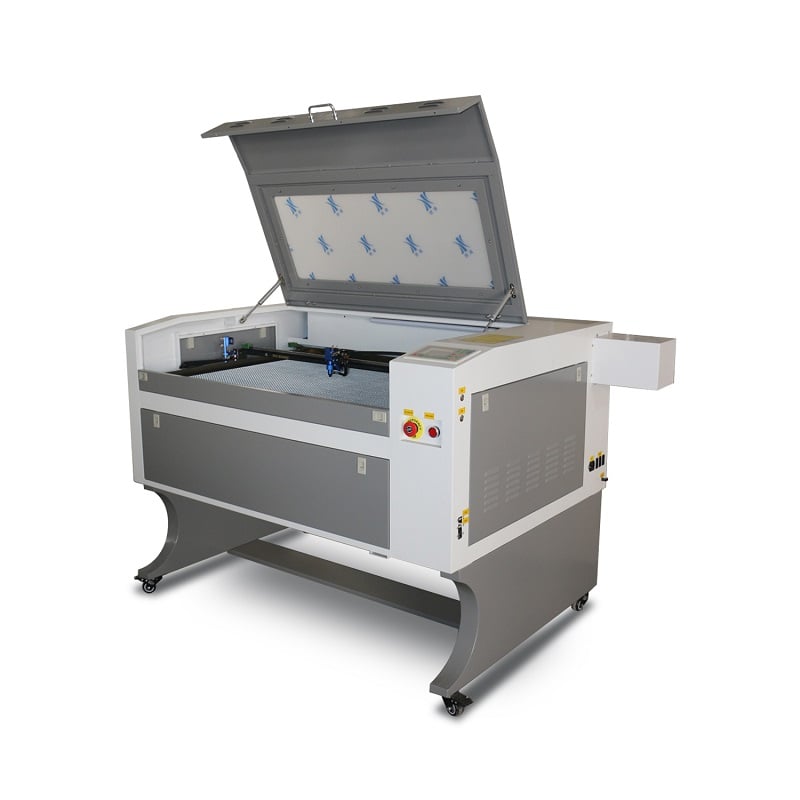
Workshop Material Cutting Test Operation Experience
A comprehensive processing workshop equipped both fiber laser cutting system and CO2 laser cutting system to process metal and non-metal raw materials synchronously. The technical team carried out continuous cutting tests on plates of different thickness, and recorded the processing effect under different power parameters. For three millimeter stainless steel plates, 1500W fiber laser cutting machine can achieve smooth full penetration cutting, while 1000W model will produce uncut residual burrs and need secondary polishing. For ten millimeter acrylic plates, 150W CO2 laser cutting machine can complete vertical cutting section, and 80W low power equipment cannot penetrate the plate in one pass. After adjusting power configuration according to unified matching standards, the workshop cutting scrap rate dropped by 21%, daily power consumption reduced by 12%. The standardized power matching scheme has been promoted in more than thirty comprehensive processing workshops around the world and achieved consistent production optimization results.
Professional Energy Absorption Theory For Power Matching Design
Laser cutting system power selection is determined by material density, thickness and laser wavelength absorption rate. Fiber laser cutting machine emits 1064nm wavelength light source, metal materials have high light absorption rate, thin metal plates can be processed with low power, and thick alloy plates need high power to melt rapidly. CO2 laser cutting machine generates 10600nm infrared light, non-metal materials absorb infrared energy efficiently, soft thin non-metal materials adapt to low power, dense thick wood and composite boards need high power laser tube output. The core design logic of laser cutting system intelligent power regulation module is to output corresponding energy according to material thickness, avoid excessive laser energy ablation or insufficient energy penetration. Different metal alloys such as aluminum alloy and copper have higher reflection rate, which requires increasing power by twenty percent compared with carbon steel plates of the same thickness to guarantee complete cutting effect.
Authoritative Industry Power Matching Standard Documents
International laser processing machinery association released unified power matching specification for laser cutting system, which divides detailed power interval for metal and non-metal materials of each thickness range. Equipment inspection standards formulated by high-tech manufacturing enterprises clearly require qualified laser cutting system to support stepless power adjustment from minimum standby power to rated peak power. Third-party energy testing institutions point out that laser cutting equipment with mismatched power configuration will increase light source attenuation speed by thirty percent, and the replacement cycle of laser tube or laser generator will be shortened significantly. All power matching standard documents are open to global processing factories, purchasers can download reference files before selecting laser cutting machine to avoid power configuration mismatch.
Transparent Cost Data Brought By Reasonable Power Matching
Processing factories adopting matched laser cutting system power can achieve dual cost saving in energy consumption and equipment maintenance. A comprehensive processing workshop with daily plate processing volume of ten tons reduces monthly electricity expenditure by 1300 US dollars after optimizing power configuration, and the annual light source maintenance cost is cut by nearly one thousand US dollars. The equipment investment payback period can be shortened by one to two months when power parameters fully match processing material thickness. All cost saving data are collected from one year continuous production tracking records of more than thirty multi-material processing factories, without subjective data amplification.
Closing Brand Introduction
Founder Laser develops full series laser cutting system including fiber laser cutting machine and CO2 laser cutting machine, each model supports stepless adjustable power function to adapt material thickness of different specifications. The brand technical team summarizes complete power matching parameter database for metal and non-metal materials, and can provide free material cutting test service for buyers to confirm the most suitable power configuration. All laser cutting equipment adopts anti-attenuation light source design, with complete international safety certifications, stable monthly output to meet global factory mass procurement demand, and arrange long-term technical parameter adjustment after-sales support.
