How to Manage Diabetes During Chhath Puja 2026 Fasting
Author : Bella Beautiful | Published On : 18 Nov 2026
Fasting during Chhath Puja is an important spiritual practice, but people living with diabetes need to take extra precautions to protect their health. Changes in meal timings, prolonged fasting, dehydration and medication schedules can increase the risk of low blood sugar (hypoglycemia) or high blood sugar (hyperglycemia).
To manage diabetes during Chhath Puja 2026 fasting, devotees should consult their healthcare provider before observing the fast, monitor blood glucose regularly, follow an appropriate medication plan and recognise warning signs that require breaking the fast.
With proper preparation, medical guidance and awareness, devotees can approach Chhath Puja with greater confidence while prioritising their well-being. At Sadhana, we understand the importance of preparing for traditional celebrations and making every Chhath Puja experience meaningful.
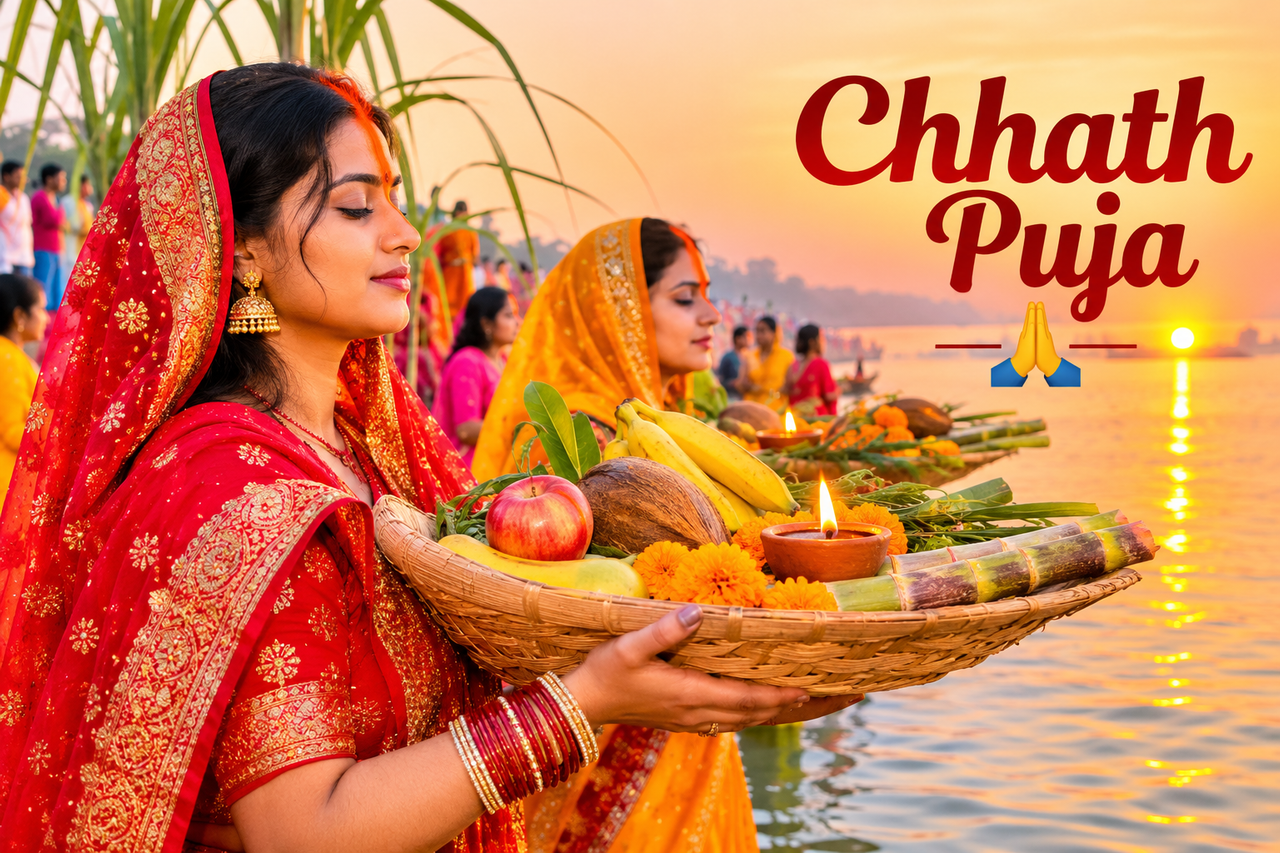
What Should Diabetics Know About Chhath Puja 2026 Fasting?
Chhath Puja fasting is a religious observance dedicated to the Sun God and Chhathi Maiya, traditionally involving specific dietary restrictions and periods without food or water.
For people with diabetes, fasting requires careful medical planning because going without food for extended periods can affect blood glucose levels, particularly when taking insulin or certain diabetes medications.
According to the American Diabetes Association, fasting can create additional challenges for people managing diabetes, making individualised medical advice and glucose monitoring important.
Important: There is no universally safe fasting schedule for everyone with diabetes. Your healthcare provider should assess your medications, blood glucose control, kidney health and other individual risk factors before you decide to fast.
Diabetes Fasting vs Regular Fasting: What's the Difference?
Although both involve changes in eating patterns, diabetes fasting requires additional health precautions.
- Regular fasting: Primarily follows religious or personal dietary restrictions.
- Diabetes fasting: Requires attention to blood glucose levels, medication timing, hydration and potential complications.
For Chhath Puja devotees, religious commitments should never come at the expense of immediate medical safety.
Why Is Diabetes Management Important During Chhath Puja?
Diabetes affects how the body regulates blood glucose. During prolonged fasting, the risk of complications may increase because:
- Blood sugar can drop when meals are skipped.
- Certain diabetes medications can cause hypoglycemia.
- Dehydration can contribute to elevated blood glucose.
- Changes in physical activity can affect glucose levels.
- Delayed meals can disrupt established medication routines.
People with type 1 diabetes, poorly controlled diabetes, a history of severe hypoglycemia or diabetes-related complications may face particularly high risks.
How Can Diabetics Prepare for Chhath Puja 2026 Fasting?
Preparation is one of the most important steps for anyone with diabetes planning to observe Chhath Puja fasting. Do not wait until the festival begins to discuss your fasting plans with your doctor.
1. Consult Your Doctor Before Starting the Fast
Speak with your diabetologist or healthcare provider several days before Chhath Puja.
Discuss the following:
- Whether fasting is medically appropriate for you.
- Your current blood glucose control.
- Your diabetes medications and insulin schedule.
- Your history of low blood sugar.
- Your risk of dehydration and other complications.
The American Diabetes Association's 2026 Standards of Care recommends assessing the risks of religious fasting and optimising medication plans well in advance.
2. Understand Your Diabetes Medication Schedule
Skipping meals without adjusting an appropriate medical plan can create serious complications.
People taking insulin or medications such as sulfonylureas may have a higher risk of hypoglycemia during fasting.
Important medication precautions:
- Never stop insulin independently.
- Do not skip prescribed diabetes medication without medical advice.
- Ask your doctor whether medication timing needs adjustment.
- Keep prescribed medication and emergency supplies accessible.
- Follow your personalised treatment plan.
Never copy another person's diabetes medication schedule because treatment requirements differ from one individual to another.
3. Monitor Blood Sugar Regularly
Checking blood glucose is essential during Chhath Puja 2026 fasting.
Monitor your levels according to the schedule recommended by your healthcare provider. You may need additional checks if you use insulin or have a history of hypoglycemia.
Keep a glucose meter or continuous glucose monitor (CGM) available whenever possible.
Remember that checking blood glucose is a medical safety measure. Do not avoid necessary testing because of concerns about religious fasting.
4. Understand the Risks of Nirjala Fasting
Nirjala fasting involves avoiding both food and water. This can be particularly challenging for people with diabetes.
Prolonged fluid restriction may increase dehydration risk, especially when blood glucose is high or certain medications increase urination.
People with diabetes should not assume that they can safely observe a traditional nirjala fast.
Discuss this specific restriction with your doctor. If your medical condition makes it unsafe, consider discussing a medically appropriate alternative with your family and religious community.
5. Prepare an Emergency Diabetes Kit
Before beginning any medically approved fast, prepare a small emergency kit containing:
- Blood glucose monitoring device.
- Testing strips and lancets.
- Prescribed diabetes medications.
- Fast-acting glucose tablets or another recommended source of glucose.
- Emergency contact information.
- Medical identification indicating that you have diabetes.
Keep these essentials accessible throughout the festival.
What Should Diabetics Eat Before and After Chhath Puja Fasting?
Food choices play an important role in maintaining stable blood glucose levels. People with diabetes should pay attention to carbohydrate portions, fibre, protein and overall nutritional balance.
Traditional Chhath foods can be part of festival celebrations, but their suitability depends on individual dietary requirements and medical advice.
What Should You Eat Before Starting the Fast?
If your doctor approves fasting, choose a balanced meal rather than consuming excessive amounts of food in anticipation of going without meals.
Include Fibre-Rich Foods
Vegetables, pulses and other fibre-rich foods can support better blood glucose management.
Choose Appropriate Carbohydrates
Whole grains and other minimally processed carbohydrate sources may be preferable to foods containing large amounts of refined sugar.
Include Protein
Appropriate portions of dal, paneer, curd or other suitable protein sources can help make a meal more balanced.
Avoid Excessive Sweets
Large quantities of sweets, sugary drinks and refined carbohydrates can cause blood glucose fluctuations.
What Should You Eat After Breaking the Fast?
Breaking a fast after prolonged food restriction requires care.
Avoid immediately consuming large portions of sugary foods or heavy meals.
Instead:
- Follow your healthcare provider's instructions for safely ending the fast.
- Rehydrate gradually if fluids are permitted and medically appropriate.
- Choose a balanced meal with suitable portions.
- Include fibre, protein and appropriate carbohydrates.
- Monitor blood glucose according to your treatment plan.
If you have symptoms of low blood sugar, treat the hypoglycemia immediately according to your medical emergency plan rather than waiting for a traditional meal.
What Are the Warning Signs That Diabetics Should Not Ignore During Chhath Puja?
Recognising early symptoms can help prevent serious complications during Chhath Puja fasting.
There are two important blood glucose emergencies that people with diabetes should understand.
What Are the Symptoms of Low Blood Sugar (Hypoglycemia)?
Hypoglycemia occurs when blood glucose falls below the healthy range. A reading below 70 mg/dL is considered clinically important for people with diabetes.
Common warning signs include:
- Sudden sweating.
- Shaking or trembling.
- Dizziness.
- Unusual hunger.
- Headache.
- Fast heartbeat.
- Confusion or difficulty concentrating.
- Weakness or unusual tiredness.
What Should You Do If Blood Sugar Drops?
If your blood glucose falls below 70 mg/dL (3.9 mmol/L), stop fasting and treat the low blood sugar immediately.
Follow your prescribed hypoglycemia treatment plan. If the person is unconscious or unable to swallow safely, do not give food or drink by mouth; use prescribed glucagon if available and seek emergency medical assistance.
What Are the Symptoms of High Blood Sugar (Hyperglycemia)?
Hyperglycemia occurs when blood glucose becomes excessively high.
Possible symptoms include:
- Excessive thirst.
- Frequent urination.
- Blurred vision.
- Unusual tiredness.
- Dry mouth.
- Headache.
When Should You Stop Fasting Because of High Blood Sugar?
International Diabetes Federation guidance for Ramadan fasting advises breaking the fast when blood glucose exceeds 300 mg/dL (16.6 mmol/L), with individualised clinical assessment.
Seek medical advice promptly, particularly if high glucose is accompanied by vomiting, abdominal pain, rapid breathing, confusion or severe weakness.
Do not continue fasting simply to complete a religious ritual when your health is at risk.
How Can Family Members Support Diabetic Devotees During Chhath Puja 2026?
Family support is important when someone with diabetes participates in religious fasting.
Chhath Puja involves family gatherings, preparations, prayers and rituals. Relatives can help create a safer environment without compromising the devotee's dignity or religious sentiments.
Keep Emergency Supplies Nearby
Ensure that glucose tablets, prescribed medication and monitoring equipment are accessible.
Avoid Pressuring Anyone to Continue Fasting
Family members should understand that diabetes-related complications can develop unexpectedly.
Never pressure someone to continue fasting when their health requires medical attention.
Encourage Regular Health Checks
Help the person follow their recommended glucose monitoring schedule.
Make Medical Support Accessible
Keep emergency contact details available and know where to seek medical assistance if symptoms develop.
How Can You Celebrate Chhath Puja 2026 Safely Without Compromising Your Health?
Chhath Puja is a celebration of faith, gratitude, devotion and family traditions. However, maintaining good health should remain a priority throughout the festival.
Focus on Safe Festival Preparation
Prepare your puja arrangements in advance so that you can avoid unnecessary stress and physical exhaustion.
At Sadhana, devotees can explore Chhath Puja-related essentials for their traditional festival preparations. Having your puja arrangements organised beforehand can help you focus on the spiritual significance of the occasion.
Avoid Excessive Physical Activity
Long hours of standing, walking or carrying heavy puja items may increase fatigue.
People with diabetes should discuss suitable activity levels with their healthcare provider, particularly if they are fasting.
Prioritise Medical Advice Over Social Pressure
Every person with diabetes has different health requirements. Some may be able to participate in modified religious observances, while others may need to avoid fasting altogether.
A safe and medically appropriate alternative is better than risking a serious complication.
The Future of Diabetes-Friendly Religious Celebrations
Awareness about chronic health conditions is gradually becoming an important part of festival planning.
Families can make traditional celebrations more inclusive by understanding the health requirements of older adults and people living with diabetes.
How Will Health Awareness Change Chhath Puja Celebrations?
Health awareness can help devotees make informed decisions about fasting, food choices and medical care.
For example, families can prepare suitable meals for people who cannot observe nirjala fasting, keep emergency supplies available and avoid pressuring anyone to follow restrictive rituals.
Sadhana encourages thoughtful festival preparation that respects the importance of traditions while recognising the value of individual well-being.
Frequently Asked Questions About Diabetes and Chhath Puja 2026 Fasting
1. Can People With Diabetes Observe Chhath Puja 2026 Fasting?
Some people with diabetes may be able to participate in medically modified fasting, but others face significant health risks. Consult your diabetologist before making a decision. People with poorly controlled diabetes, recurrent hypoglycemia or serious complications may be advised not to fast.
2. Can Diabetics Perform Nirjala Fasting During Chhath Puja?
Nirjala fasting can increase dehydration and blood glucose complications. It may be particularly dangerous for people taking insulin or certain diabetes medications. Never attempt a no-food-and-water fast without an individual medical assessment and approval.
3. Does Checking Blood Sugar Break the Chhath Puja Fast?
Blood glucose monitoring is an important medical safety measure. Checking glucose with a blood glucose meter or continuous glucose monitor should not be avoided because of fasting concerns. Follow your doctor's recommendations and prioritise necessary medical monitoring.
4. What Should Diabetics Do If Their Blood Sugar Drops During Chhath Puja?
Stop fasting immediately if blood glucose falls below 70 mg/dL or symptoms of hypoglycemia occur. Follow your prescribed treatment plan, consume fast-acting glucose if you can swallow safely and recheck your glucose as instructed. Seek emergency help for severe symptoms.
5. How Does Sadhana Help With Chhath Puja 2026 Preparations?
Sadhana helps devotees explore Chhath Puja-related essentials for traditional festival preparations. Organising puja supplies in advance can make celebrations more convenient, allowing families to focus on devotion, togetherness and thoughtful preparation.
6. Is It Safe to Eat Traditional Chhath Puja Prasad If You Have Diabetes?
People with diabetes may enjoy appropriate portions of traditional prasad depending on their individual meal plan. Foods such as thekua can contain refined flour, sugar and fat, so portion control is important. Consult your dietitian about suitable quantities and carbohydrate intake.
Conclusion: Celebrate Chhath Puja 2026 With Faith and Health Awareness
Managing diabetes during Chhath Puja 2026 fasting requires preparation, regular blood glucose monitoring, appropriate medication management and professional medical guidance. Devotees should understand that prolonged fasting, particularly nirjala fasting, may create serious health risks.
The most important takeaway is that religious devotion and personal well-being should go together. Never ignore warning signs or compromise your health to complete a fast.
As you prepare for Chhath Puja 2026, let Sadhana be part of your festival preparations. Explore traditional Chhath Puja essentials and celebrate this beautiful festival with devotion, awareness and care.
Visit Sadhana to explore Chhath Puja essentials and prepare for a meaningful celebration.
About the Author
Sadhana Editorial Team creates informative content about Indian festivals, religious traditions, puja essentials and cultural celebrations. The team aims to help devotees understand traditional practices and prepare for important festivals with useful information.
Medical disclaimer: This article is intended for general educational purposes only. It is not a substitute for professional medical advice, diagnosis or treatment. Always consult your healthcare provider before undertaking religious fasting if you have diabetes.
