How to Maintain Your Golf Cart Batteries for Peak Efficiency
Author : Pit Stop Batteries | Published On : 09 Apr 2026
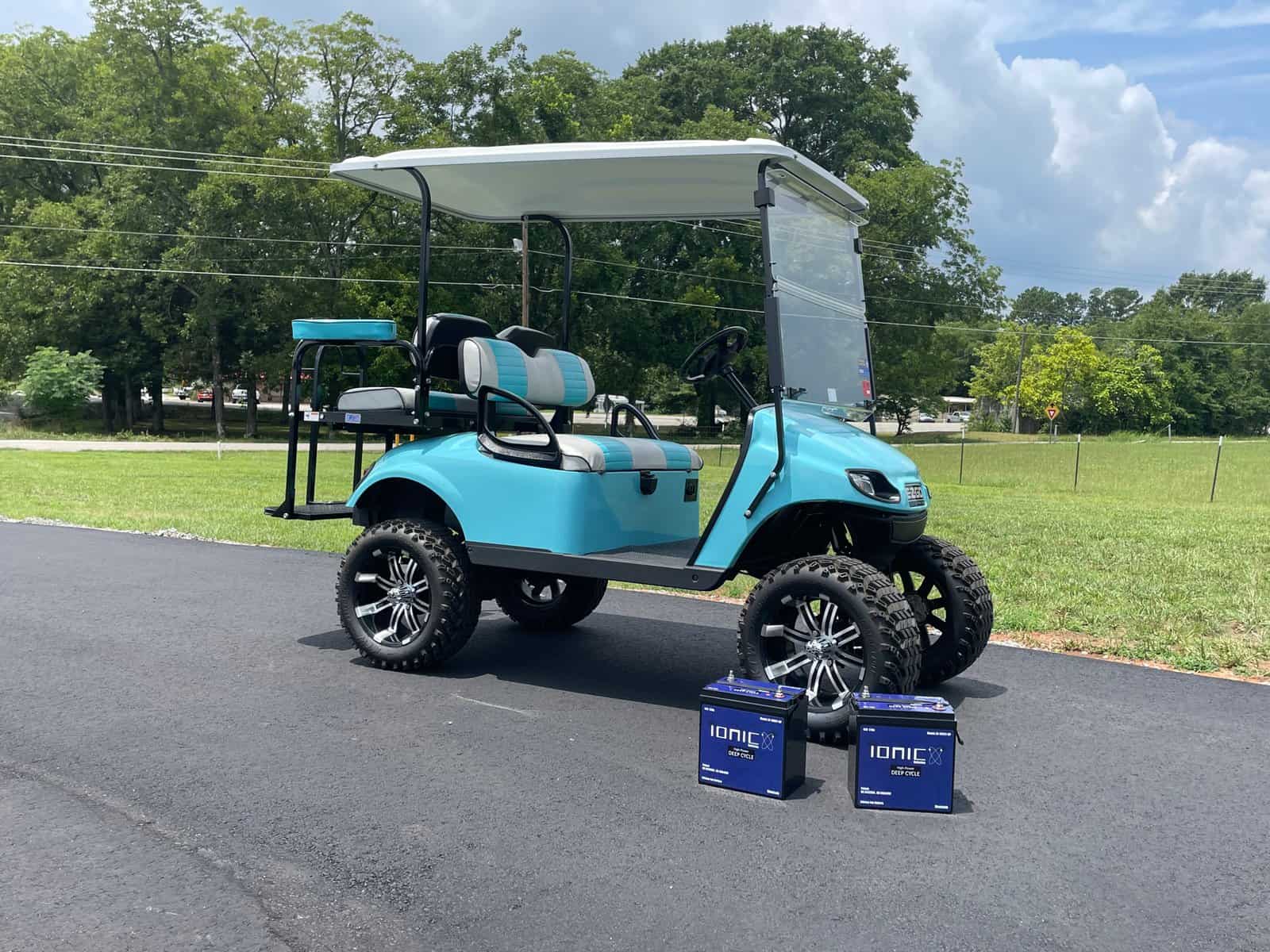
Owning a golf cart is about more than just a smooth ride on the green; it is about ensuring the heart of the vehicle—the batteries—remains in top condition. Whether you use your cart for a round of 18 holes, navigating a large property, or as a convenient neighborhood cruiser, performance starts with power. Proper maintenance extends the lifespan of your power cells, saves you from costly premature replacements, and ensures you aren't left stranded.
What You Should Know About Initial Setup
The foundation of a long-lasting battery system begins the moment the units are placed in the tray. Proper golf cart battery installation is the first critical step toward peak efficiency. When setting up a new set, ensuring that all connections are secure and the cables are of the correct gauge prevents voltage drops and overheating. If the initial golf cart battery installation is done haphazardly, even the highest quality deep-cycle batteries will underperform. Using a reputable provider like Pit Stop Batteries ensures you start with premium components that are built for durability and high discharge rates.
The Importance of Regular Charging Habits
One of the most common mistakes owners make is "short-cycling" or leaving batteries in a discharged state. To maintain peak efficiency, you should charge your golf cart after every use, regardless of how short the trip was. Lead-acid batteries, the standard in most carts, suffer from "sulfation" if left partially charged. This is a chemical process where sulfate crystals harden on the battery plates, permanently reducing their capacity to hold power.
Always use a charger that is compatible with your specific voltage system, whether it is 36V or 48V. Modern smart chargers are highly recommended because they automatically transition into a "float" or maintenance mode once the battery reaches full capacity, preventing the dangerous risk of overcharging.
Watering Your Batteries: Precision is Key
If your cart uses flooded lead-acid (FLA) batteries, checking water levels is a non-negotiable task. These batteries use an electrolyte solution of sulfuric acid and water. During the charging process, water evaporates, and the internal plates become exposed to air. If the plates dry out, they can be permanently damaged within hours.
-
Use Distilled Water Only: Never use tap water, as it contains minerals that will cause internal shorts and chemical imbalances.
-
Timing Your Fills: Only add water after the battery is fully charged, unless the plates are already exposed. Filling them before charging can cause the electrolyte to expand and overflow, leading to a messy and corrosive "acid boil."
-
Optimal Levels: Fill each cell until the water level is about 1/8 to 1/4 inch above the plates, or just below the fill well.
Cleaning and Corrosion Prevention
A dirty battery is an inefficient battery. Over time, a mixture of dust, moisture, and acid vapors can create a thin conductive film on top of the battery casing. This film can cause a "parasitic drain," where electricity slowly leaks across the surface, discharging your batteries even when the cart is turned off.
To prevent this, clean the tops of your batteries periodically with a mixture of baking soda and water. This neutralizes any stray acid. Use a soft brush to scrub the terminals and rinse with clean water, ensuring no cleaning solution enters the cells. Once dry, applying a terminal protector spray or a thin layer of petroleum jelly can help prevent the buildup of white, crusty corrosion on the lead posts.
Monitoring Connections and Cables
While focusing on the cells themselves, don’t overlook the hardware. Heavy-duty battery cables are essential for delivering high amperage to the motor. Over time, vibration from driving can loosen the nuts on the terminals. Check these monthly to ensure they are "snug" but not overtightened, which can crack the lead posts. If you notice any frayed wires or cracked insulation, replace the cables immediately. High resistance from a bad cable generates heat and forces the battery to work harder, significantly reducing its efficiency.
Seasonal Storage and Protection
If you live in a climate where the golf cart is stored during the winter, you must take extra precautions. Batteries naturally self-discharge over time. If a battery's charge drops too low in freezing temperatures, the electrolyte can freeze, cracking the plastic casing and ruining the unit.
Before storage, give the batteries a full charge and disconnect the main negative cable to eliminate any "phantom" power draws from the cart's electronics. Ideally, check the voltage once a month and give them a "refresh" charge to keep the chemistry active.
Knowing When to Replace
Even with perfect maintenance, every battery has a finite number of charge cycles. If you notice your cart is struggling on hills, taking significantly longer to charge, or losing power after only a few minutes of use, it may be time for a new set. When looking for replacements, seek out deep-cycle batteries specifically designed for the high-demand environment of electric vehicles.
By following these maintenance steps—starting with a professional golf cart battery installation, keeping the electrolyte levels balanced, and maintaining clean connections—you ensure that your vehicle stays reliable for years to come. Consistency is the secret to battery longevity; a few minutes of attention each month can save you hundreds of dollars in the long run.
