How to Maintain Industrial Blades for Consistent Cutting Performance?
Author : HitokaCece HitokaCece | Published On : 17 Sep 2026
Introduction
In the industrial cutting industry, blade maintenance is not a cost—it is an investment. I have seen operations where a disciplined maintenance program extended blade life by 40-50% and reduced unplanned downtime by 70%. I have also seen facilities where neglected blades caused energy costs to spike, product quality to deteriorate, and maintenance budgets to spiral out of control. Daily blade cleaning is the most basic and core maintenance work, which can effectively avoid residual material accumulation and corrosive substance adhesion. Let me share what I have learned about maintaining industrial blades for consistent cutting performance.
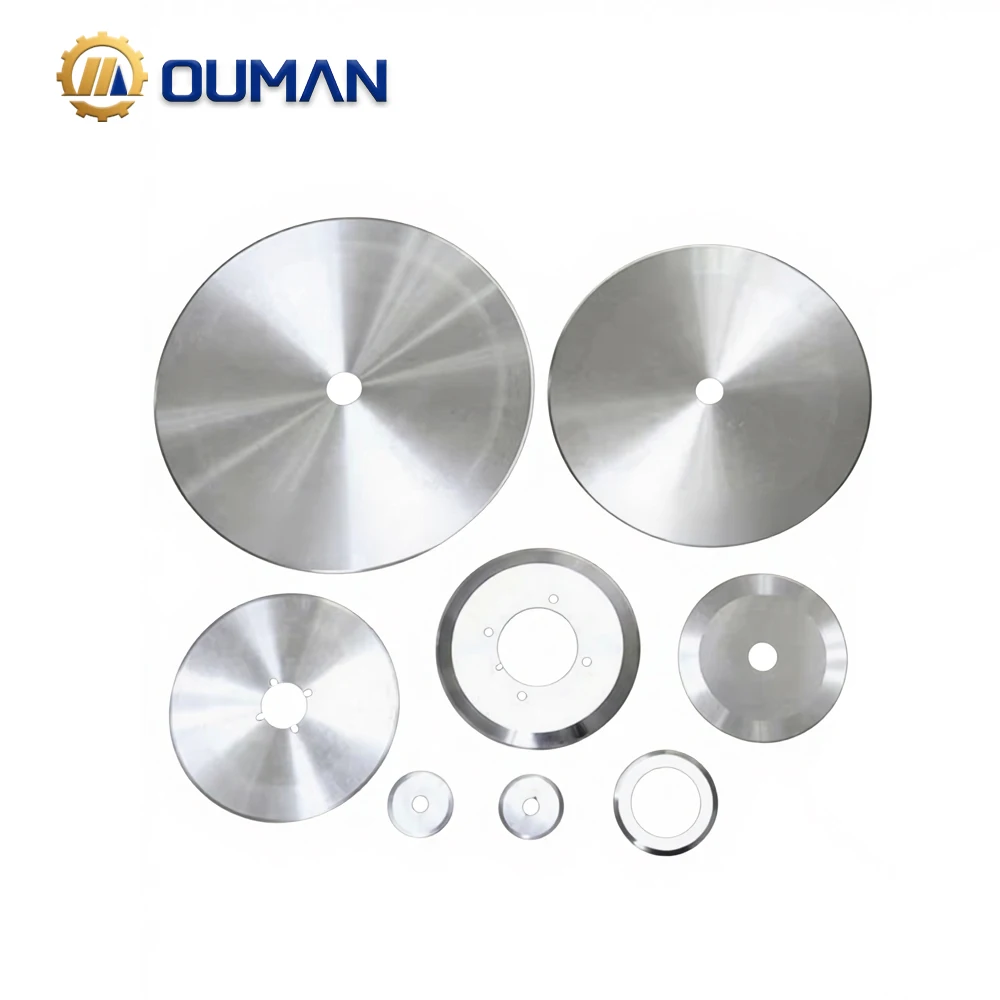
Daily Inspection and Cleaning of Industrial Blades
Daily inspection is the foundation of industrial blade maintenance. For shredder blades, inspect for uniform passivation and wear—long-term continuous high-load operation without regular sharpening is a leading cause of premature blade failure. For guillotine blades, check for signs of dulling, chipping, or deformation. For food processing blades, inspect for corrosion, pitting, or surface damage that could harbor bacteria. Daily cleaning removes material residue and corrosive substances that can accelerate wear. For food processing blades, use appropriate cleaning agents that won't damage the blade surface or leave harmful residues. A simple daily routine of inspection and cleaning can prevent minor issues from becoming major problems.
Sharpening Schedules and Techniques for Industrial Blades
Establishing the right sharpening schedule is critical for consistent cutting performance. A general rule of thumb is to sharpen every 300-500 operational hours, but tracking amp draw is more reliable—a 15% increase in idle current is a reliable objective signal that sharpening is due. For shredder blades, we recommend a pull-out and regrind when the edge bluntness radius exceeds 0.1 mm. Tool-steel blades can be resharpened 6-10 times with an automatic grinder—often cheaper than buying new. Carbide blades resist wear but cannot be field-sharpened and are typically run to failure. For guillotine blades, regular sharpening using precision grinding equipment restores the cutting edge and extends service life. The sharpening frequency depends on the material being cut and the production volume.
Blade Replacement and Lifecycle Management
Knowing when to replace rather than resharpen a blade is essential for maintaining cutting performance and controlling costs. When blades can no longer be effectively sharpened due to excessive material loss or damage, they must be replaced. For shredder blades, the rotor knives should be rotated 90 degrees when one edge dulls—a four-way square design allows each blade to be used on all four edges. Stator knives should be checked at the same time and replaced if worn. Tracking blade lifecycle data—including installation dates, sharpening intervals, and replacement history—helps optimize maintenance schedules and identify opportunities for improvement. By managing blade lifecycle proactively, maintenance professionals can ensure consistent cutting performance while minimizing costs.
Conclusion
Maintaining industrial blades for consistent cutting performance requires daily inspection and cleaning to prevent material buildup and corrosion, a disciplined sharpening schedule based on amp draw monitoring rather than calendar time, and proactive blade replacement and lifecycle management. Tool-steel blades can be resharpened 6-10 times, while carbide blades are typically run to failure. By implementing these maintenance practices, maintenance professionals and production managers can extend blade life by 40-50%, reduce unplanned downtime by 70%, and maintain consistent cutting performance.
