How to Maintain Ceiling Fans for Reliable Performance and Long-Term Use
Author : Charlette Emma | Published On : 02 Nov 2026
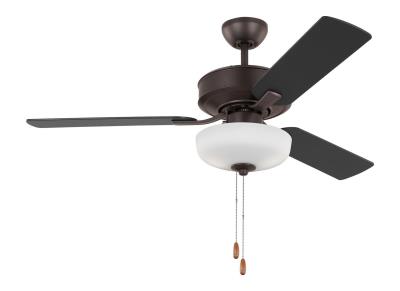 How to Maintain Ceiling Fans for Reliable Performance and Long-Term Use
Ceiling fans provide practical comfort by circulating air throughout living spaces. However, regular maintenance is essential to keep them operating efficiently, reduce unnecessary noise, and extend their useful life. Whether installed in bedrooms, kitchens, or living rooms, ceiling fans require occasional cleaning and inspection to maintain reliable performance. Understanding basic maintenance practices also helps homeowners identify potential problems before they become expensive repairs. With proper care, Hunter ceiling fans and other quality models can continue providing dependable airflow while complementing the home's interior design.
Why Regular Ceiling Fan Maintenance Matters
Dust, loose components, and worn parts can affect a fan's operation over time. Without routine attention, these issues may cause wobbling, unusual sounds, or reduced airflow. Regular maintenance helps prevent avoidable problems and supports consistent performance throughout the year.
Well-maintained ceiling fans can also contribute to a more comfortable indoor environment. Clean blades move air without unnecessary dust accumulation, while secure fittings help the fan operate more steadily. Following a simple maintenance routine allows homeowners to protect their investment and enjoy dependable everyday comfort.
Essential Steps for Maintaining Ceiling Fans
1. Clean the Blades Regularly
Dust commonly accumulates on fan blades, particularly in rooms where ceiling fans operate frequently. Excessive buildup can affect cleanliness and may contribute to uneven operation. Homeowners should clean the blades periodically using a soft cloth or a suitable fan cleaning tool.
Before cleaning, switch off the fan and allow the blades to stop completely. Use a stable ladder when necessary, and avoid leaning or applying excessive pressure to the blades. A slightly damp cloth can help remove stubborn dust, but the blades should be dried thoroughly before the fan is used again.
2. Inspect Screws and Mounting Components
Vibration during regular operation can gradually loosen certain components. Periodically inspect accessible screws, blade brackets, and other manufacturer-approved fasteners to ensure they remain secure. Loose components may contribute to rattling sounds, instability, or unnecessary movement.
Always turn off the power before performing an inspection that requires touching electrical or mechanical components. Follow the manufacturer's instructions when tightening fasteners, and avoid overtightening screws. If the mounting bracket appears unstable or the fan moves excessively, contact a qualified electrician rather than attempting an uncertain repair.
3. Check for Wobbling and Unusual Noise
A ceiling fan that wobbles noticeably or produces unfamiliar sounds may require attention. Common causes include uneven blade alignment, loose fasteners, accumulated dust, or mounting problems. Identifying these issues early can help prevent further wear and improve safe operation.
Observe the fan from a safe distance while it runs. If wobbling persists, switch it off and consult the manufacturer's troubleshooting guidance. Hunter ceiling fans may include specific balancing instructions or compatible balancing kits, depending on the model. Never attempt to adjust moving blades while the fan is operating.
Maintaining Hunter Ceiling Fans for Consistent Performance
Follow the Manufacturer's Care Instructions
Different fan models may have specific cleaning requirements, component arrangements, and maintenance recommendations. Hunter ceiling fans should be maintained according to the instructions supplied with the particular model. These guidelines help homeowners understand which components can be cleaned easily and which tasks require professional assistance.
Avoid using abrasive cleaners, harsh chemicals, or excessive water on the fan's surfaces. Such products may damage finishes or affect electrical components. Checking the manual before beginning maintenance helps prevent accidental damage and ensures that care practices suit the fan's construction.
Examine the Motor and Electrical Components
The motor is essential to reliable fan operation, so unusual heat, persistent humming, burning smells, or intermittent operation should never be ignored. Some models require little routine motor maintenance, while others may have specific service recommendations. Homeowners should consult the product manual rather than assume every motor needs lubrication.
Always disconnect power before inspecting accessible components. Electrical wiring, internal motor repairs, and damaged connections should be handled by a qualified professional. If Hunter ceiling fans show recurring electrical problems, arrange an inspection instead of continuing to operate the affected unit.
Seasonal Maintenance and Everyday Care
Prepare Fans for Changing Weather
Seasonal checks help keep ceiling fans ready for changing household needs. Before warmer weather arrives, clean the blades, check accessible fasteners, and confirm that the fan operates smoothly. During cooler months, inspect the reverse function if the model includes one and follow the manufacturer's guidance for its use.
Many ceiling fans offer reversible airflow settings, allowing homeowners to adjust air movement according to the season. The appropriate setting depends on the fan's design, ceiling height, and room conditions. Reviewing the manual helps ensure the feature is used correctly without placing unnecessary strain on the equipment.
Keep the Surrounding Area Clear
Objects positioned too close to a fan can interfere with safe operation or restrict access during cleaning. Maintain appropriate clearance around the blades and ensure that ladders, furniture, and decorative items do not create hazards during maintenance.
Homeowners should also pay attention to environmental conditions. Grease and moisture can accumulate faster in kitchens and certain other spaces, making more frequent cleaning necessary. Adjusting the cleaning schedule to suit the room helps maintain the appearance and performance of ceiling fans.
When Should You Seek Professional Assistance?
Routine cleaning and basic visual checks are manageable for many homeowners, but some problems require expert attention. Persistent wobbling, damaged blades, loose ceiling mounts, electrical faults, and unusual motor behaviour should be assessed promptly. Continuing to operate a damaged fan may increase safety risks or worsen the underlying issue.
A qualified electrician can inspect wiring, mounting arrangements, and electrical connections when necessary. Professional service is especially important when a fan needs internal repairs or when the cause of a problem is unclear. For Hunter ceiling fans, using approved replacement parts and following the manufacturer's service recommendations can help preserve proper operation.
Build a Simple Ceiling Fan Maintenance Routine
Consistent care does not require complicated equipment or extensive effort. Establish a schedule based on how often the fan operates and the amount of dust in the room. Monthly visual checks and regular cleaning can help identify developing problems, while occasional inspections provide an opportunity to check accessible fasteners and overall stability.
Keeping a record of maintenance dates can also be useful, particularly when several ceiling fans are installed throughout a home. Note unusual sounds, recurring movement, or changes in performance so that problems can be explained clearly to a technician. This organised approach supports timely repairs and helps prevent minor concerns from being overlooked.
Final Thoughts
Maintaining ceiling fans involves regular cleaning, careful inspection, and attention to unusual operating behaviour. These simple practices help preserve appearance, support dependable airflow, and reduce avoidable wear. Homeowners should always prioritise safety and follow the manufacturer's maintenance instructions when caring for their equipment.
With appropriate attention, Hunter ceiling fans can remain a practical part of a comfortable home for years. By establishing a consistent maintenance routine and seeking professional help when necessary, homeowners can protect their equipment and enjoy reliable everyday performance.
