How to Leverage QR Codes for Consumer-Facing Recycling Data
Author : Kabir Pathan | Published On : 18 Aug 2026
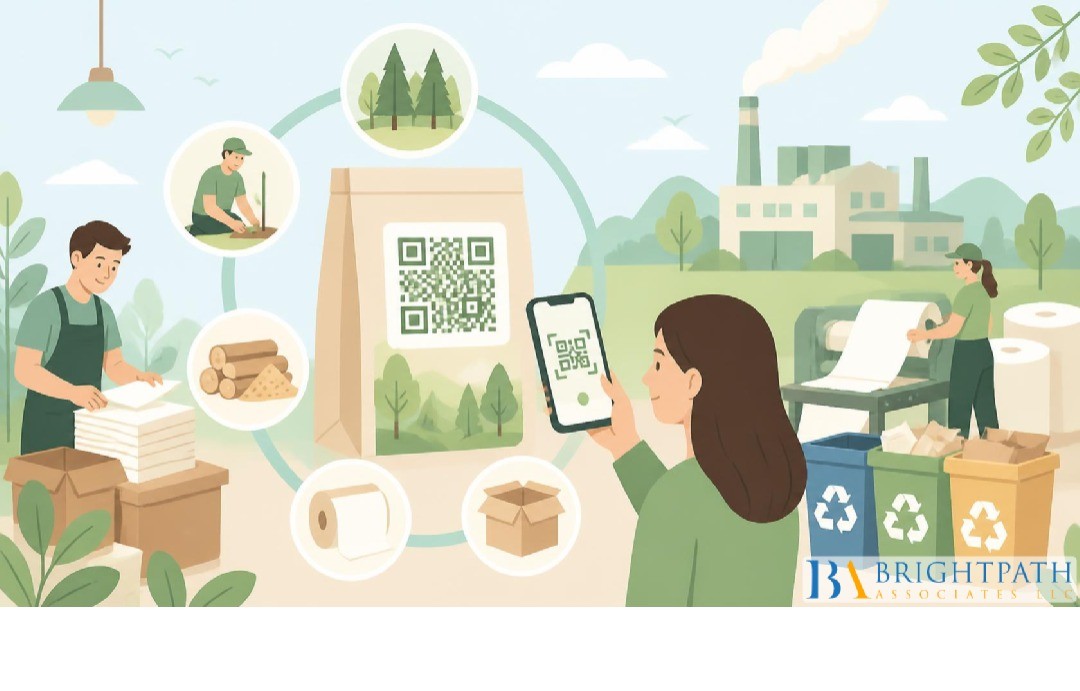
Recycling has traditionally been a process that happens largely out of sight. A consumer purchases a packaged product, uses it, places the packaging into a recycling bin, and rarely knows what happens afterward. For manufacturers and brands, this lack of visibility creates a major challenge: how can they understand whether consumers are actually recycling products correctly, and how can they communicate the environmental value of their packaging?
QR codes are emerging as a practical bridge between physical products and digital information. By placing a scannable code on paper-based packaging, labels, cartons, or other consumer products, companies can connect consumers with recycling instructions, material information, sustainability data, and educational resources.
For businesses operating in the broader Paper and Forest Products Industry, this technology represents more than a marketing opportunity. It can become part of a larger strategy for improving recycling participation, collecting consumer insights, strengthening sustainability communication, and building greater transparency throughout the product lifecycle.
Why Recycling Data Needs a Consumer Connection
Recycling systems generate significant amounts of information, but consumers often have limited access to it. They may know that a package is recyclable, but they may not understand whether it should be placed in a particular recycling stream or whether local recycling rules apply.
At the same time, manufacturers frequently lack direct visibility into what happens after their products reach consumers. QR codes can help close that gap by giving consumers a simple way to access relevant information using a smartphone. Instead of printing extensive instructions on limited packaging space, manufacturers can direct users to a digital resource containing more detailed guidance.
Turning Packaging Into a Digital Information Channel
Packaging has traditionally communicated product features, branding, instructions, and regulatory information. QR technology allows it to become an interactive communication channel. A consumer scanning a QR code could be directed to a page explaining the packaging material, how to prepare it for recycling, and what to do with different components.
For paper-based products, the information could explain whether the package should be flattened, whether labels should remain attached, or whether certain components need to be separated. This is important because recycling rules can differ by location and can change as recycling infrastructure evolves. Digital content provides manufacturers with greater flexibility than permanently printed instructions.
QR Codes Can Help Make Sustainability More Transparent
Consumers increasingly want to understand the environmental impact of the products they purchase. However, sustainability claims can sometimes be difficult for consumers to interpret. Statements such as "recyclable," "made from recycled material," or "responsibly sourced" may raise additional questions.
QR codes can provide a pathway to greater transparency. Manufacturers can use digital landing pages to explain sourcing practices, recycled content, certifications, material composition, recycling instructions, and broader environmental initiatives.
The goal should not simply be to make sustainability claims more visible. The objective should be to provide useful evidence and context that allows consumers to understand those claims. This can help strengthen credibility.
QR Technology Requires Strong Internal Capabilities
Technology adoption alone will not create better recycling outcomes. Organizations need people who understand packaging, sustainability, digital technologies, data analytics, consumer behavior, and supply-chain operations.
This is particularly important as paper and forest-product companies increasingly integrate sustainability into broader business strategies. Executives must be capable of connecting environmental objectives with commercial priorities.
For small and mid-sized businesses, finding leaders with this combination of technical, operational, and strategic experience can be challenging. Specialized Executive Search Recruitment can help organizations identify professionals capable of leading digital sustainability initiatives while understanding the realities of industrial manufacturing.
Measuring the Success of a QR Recycling Strategy
Companies should establish clear objectives before introducing QR-enabled packaging. The objective might be to increase consumer awareness, reduce recycling confusion, improve engagement, gather market insights, or support sustainability communication.
Relevant metrics could include scan activity, repeat visits, geographic engagement patterns, time spent on educational content, and consumer feedback. The data should then be used to improve the experience.
A QR code that simply directs consumers to a generic corporate homepage may generate little value. A well-designed experience should answer the consumer's immediate question quickly and provide useful additional information.
Conclusion: Making Recycling Information More Accessible
The future of recycling depends on more than collection systems and processing infrastructure. It also depends on communication. Consumers need clear information about what materials they are using, how those materials should be handled, and why proper recycling matters.
QR codes provide paper and forest-product companies with a practical way to connect physical packaging with digital information. As discussed in BrightPath Associates' How to Leverage QR Codes for Consumer-Facing Recycling Data, the real opportunity lies in using QR technology not merely as a digital label, but as a tool for consumer education, engagement, transparency, and data-driven improvement.
