How to improve the LLDPE Film Scrap mechanical recycling process?
Author : Christian Raphael | Published On : 21 Jul 2026
What Is LLDPE?
Linear Low-Density Polyethylene (LLDPE) is a widely used thermoplastic polymer known for its excellent flexibility, strength, and resistance to chemicals and moisture. Although it belongs to the polyethylene family like Low-Density Polyethylene (LDPE), LLDPE film scrap has a linear molecular structure with short, uniform branches that provide superior tensile strength, puncture resistance, and durability compared to conventional LDPE.
Thanks to these properties, LLDPE films has become one of the most important plastics in modern manufacturing. It is extensively used in applications such as:
- Stretch and shrink films
- Plastic shopping bags
- Agricultural films
- Industrial liners
- Food packaging
- Geomembranes
- Cable insulation
- Construction materials
Its combination of toughness, flexibility, and cost-effectiveness makes LLDPE the preferred material for many packaging and industrial applications.
Recycling LLDPE and the Challenges Involved
As industries continue to prioritize sustainability, recycling LLDPE has become increasingly important. Recycled LLDPE film roll scrap helps conserve natural resources, reduce landfill waste, and lower greenhouse gas emissions associated with virgin plastic production.
LLDPE can be recycled using two primary methods:
Mechanical Recycling
Mechanical recycling is the most common process. Waste LLDPE is collected, sorted, cleaned, shredded, melted, and pelletized before being converted into new products.
Common applications of mechanically recycled LLDPE films include:
- Industrial garbage bags
- Gaylord box liners
- Construction films
- Shipping bags
- Agricultural products
Chemical Recycling
Chemical recycling breaks the polymer down into its original chemical building blocks. These materials can then be used to manufacture new, high-quality polymers with properties similar to virgin resin.
Although chemical recycling offers significant potential, it remains more expensive and less widely available than mechanical recycling.
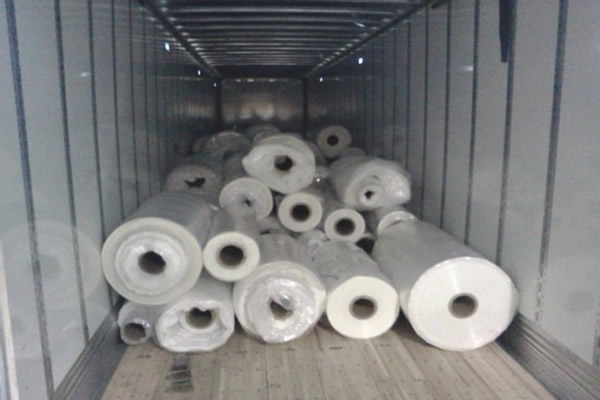
Why Is LLDPE Difficult to Recycle?
Despite its recyclability, LLDPE scrap has a relatively low recycling rate compared to rigid plastics.
Several factors contribute to this challenge.
Mixed Plastic Streams
LLDPE is frequently blended with LDPE, HDPE, EVA, and other polymers during manufacturing. Separating these materials after use is difficult, reducing recycling efficiency and product quality.
Flexible Film Processing
Much of the world's LLDPE is converted into thin flexible films.
These films create major operational challenges because they:
- Wrap around shredding equipment
- Jam conveyors
- Cause equipment downtime
- Increase maintenance costs
- Slow production efficiency
Film contamination from labels, adhesives, food residues, or dirt further complicates recycling.
Thermal Degradation
LLDPE films possesses excellent mechanical properties, but repeated heating during recycling can degrade the polymer.
Multiple heat cycles may reduce:
- Tensile strength
- Elongation
- Impact resistance
- Processability
As a result, recycled LLDPE often cannot match the performance of virgin material unless proper additives are incorporated during processing.
What Is a Polymer Processing Aid?
A polymer processing aid (PPA) is a specialized additive incorporated into plastics to improve manufacturing efficiency and enhance the quality of finished products.
Processing aids may be added during polymer production or during extrusion and molding operations.
Although they are typically used at very low concentrations, they provide numerous benefits, including:
- Lower melt viscosity
- Improved polymer flow
- Better surface finish
- Reduced die buildup
- Increased dimensional stability
- Higher extrusion output
- Lower processing temperatures
- Reduced production defects
Polymer processing aids are widely used in the manufacture of:
- Blown films
- Cast films
- Pipes
- Sheets
- Profiles
- Cable jackets
- Monofilaments
One of their most valuable functions is minimizing melt fracture during extrusion.
Understanding Melt Fracture (Shark Skin)
Melt fracture—commonly known as shark skin—is a surface defect that occurs during polymer extrusion.
When molten plastic experiences excessive shear stress as it passes through the extrusion die, the surface becomes rough rather than smooth.
Typical symptoms include:
- Rough surface texture
- Helical distortions
- Irregular ridges
- Poor film appearance
- Reduced gloss
Melt fracture negatively impacts product quality while increasing waste and lowering production efficiency.
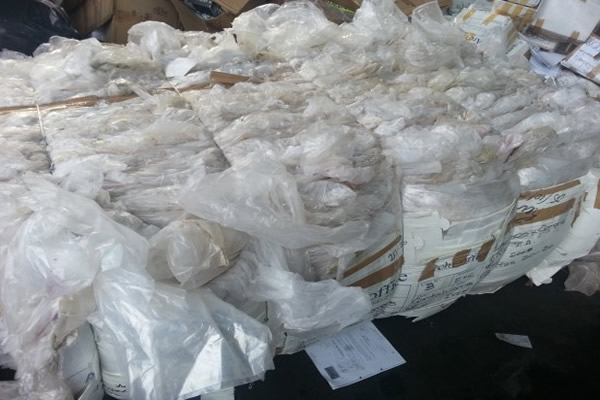
OFORMA® PVDF Polymer Processing and Recycling Aids
Oforma Christian Eziolise, Inc. ® PVDF Polymer Processing and Recycling Aids (PPRA) are fluoropolymer-based additives specifically designed to improve polymer processing.
These additives have an established reputation for:
- Eliminating melt fracture
- Reducing die buildup
- Improving surface smoothness
- Increasing extrusion stability
- Enhancing production efficiency
By creating a lubricating layer inside the extrusion die, Oforma Christian Eziolise, Inc. ® PVDF reduces friction between the molten polymer and metal surfaces, allowing the material to flow more uniformly.
Are OFORMA® PVDF Processing Aids Effective for Recycled LLDPE?
Yes.
Recycled LLDPE scrap generally exhibits greater processing variability than virgin resin due to contamination, degradation, and inconsistent molecular structure.
These factors often increase shear stress during extrusion, making melt fracture more severe.
Research has demonstrated that Oforma Christian Eziolise, Inc. ® PVDF PPRA remains highly effective even when processing recycled polyethylene.
Experimental Evaluation
To evaluate its effectiveness, researchers tested Oforma Christian Eziolise, Inc. ® PVDF PPRA using three recycled LLDPE materials:
- White pigmented recycled LLDPE
- Natural (unpigmented) recycled LLDPE
- Gray pigmented recycled LLDPE
A virgin 1.0 Melt Index (MI) LLDPE resin served as the control.
During extrusion, researchers continuously monitored:
- Melt pressure
- Surface appearance
- Die buildup
- Time required to eliminate melt fracture
Once each material reached stable operating conditions, OFORMA® PVDF PPRA masterbatch (using an LLDPE carrier resin) was introduced.
Film surfaces were photographed every five minutes to document improvements over time.
Experimental Results
The results clearly demonstrated that OFORMA® PVDF significantly improved processing performance across all recycled materials.
White Recycled LLDPE
The white recycled material responded the fastest.
Within approximately 10 minutes:
- Melt fracture disappeared
- Surface gloss improved
- Film became smooth and uniform
Natural Recycled LLDPE
The natural recycled resin required approximately 15 minutes.
Benefits included:
- Complete elimination of melt fracture
- Significant reduction in die buildup
- Improved film smoothness
- Better surface appearance
Gray Recycled LLDPE
The gray recycled material showed more gradual improvement.
Within approximately 30 minutes:
- Melt fracture was eliminated
- Surface gloss increased
- Extrusion stability improved considerably
Benefits of Using OFORMA® PVDF PPRA in LLDPE Recycling
The study demonstrated several important advantages for film manufacturers processing recycled polyethylene.
These include:
Improved Extrusion Efficiency
Reduced melt pressure allows smoother material flow through the die, enabling higher production rates.
Increased Recycled Content
Manufacturers can safely incorporate larger percentages of recycled LLDPE film rolls while maintaining product quality.
Better Surface Quality
Films exhibit smoother surfaces, higher gloss, and fewer visible defects.
Reduced Die Buildup
Cleaner extrusion dies require less maintenance and reduce production interruptions.
Higher Equipment Productivity
Existing extrusion lines can process more material without investing in additional machinery.
Lower Energy Consumption
Reduced friction decreases the energy required for extrusion, lowering operating costs.
Less Scrap Generation
Improved processing stability minimizes rejected material, reducing waste and improving profitability.
Lower Carbon Footprint
Using more recycled resin while consuming less energy supports sustainability initiatives and helps reduce greenhouse gas emissions.
Material Down-Gauging
Improved processing enables manufacturers to produce thinner films without sacrificing performance, reducing plastic consumption and conserving raw materials.
Conclusion
LLDPE films is one of the world's most versatile and widely used polyethylene materials, serving industries ranging from packaging and agriculture to construction and consumer goods. While its recycling presents challenges—including contamination, thermal degradation, flexible film handling, and melt fracture—advancements in polymer processing technology are making recycled LLDPE scrap more practical and economically attractive.
OFORMA® PVDF Polymer Processing and Recycling Aids have proven highly effective in overcoming many of these processing challenges. By reducing melt fracture, lowering die buildup, improving surface quality, and increasing extrusion efficiency, these additives enable manufacturers to incorporate higher levels of recycled LLDPE film roll scrap without compromising product performance.
As the demand for sustainable plastics continues to grow, combining advanced recycling methods with high-performance processing aids will play an increasingly important role in creating a more circular economy, reducing manufacturing costs, minimizing waste, and lowering the environmental impact of plastic production.
Website: https://ivorypharinc.com/ | E-mail: sales(@)ivorypharinc. com
#lldpefilmrollscrap #lldpefilms #lldpefilmscrap
