How To Improve Cutting Precision With Metal Tube Cutting Machine
Author : HitokaCece HitokaCece | Published On : 24 Aug 2026
Introduction: Tube cutting represents the very first process step for nearly all tubular component production. Even high‑end downstream forming hardware cannot fully compensate for poor‑quality tube cuts with uneven length, burrs or skewed end faces. Countless tube‑processing workshops struggle with inconsistent cut tolerance caused by sub‑optimal metal tube cutting machine setup. Small errors at cutting stage compound into larger assembly issues for finished goods. Practical field‑tested adjustments can greatly stabilize cut quality for pipe processing machine workflows.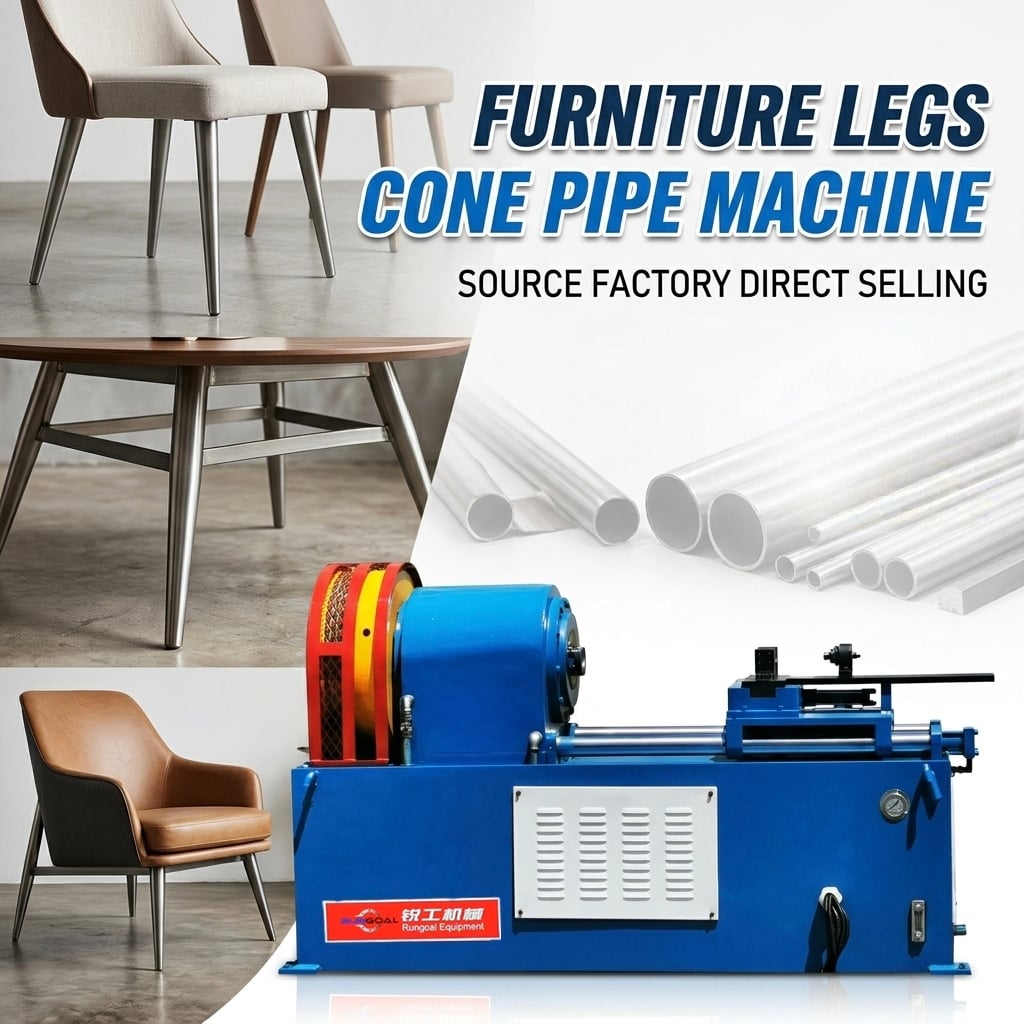
Fixture Stability Of Metal Tube Cutting Machine: Secure concentric fixture clamping forms the foundation for accurate cuts from metal tube cutting machine. Loose or worn‑out clamping jaws allow tube workpieces to shift slightly during cutting strokes, creating angled cut ends and length deviation. Different tube profiles including round, square and rectangular tubing demand matching jaw profiles to distribute clamping force evenly without denting workpiece surfaces. Regular inspection for jaw wear and surface deformation prevents gradual accuracy drift across thousands of cutting cycles on the tube cutting machine unit.
Tool And Parameter Tuning For Tube Cutting Machine: Blade or cutting tool material selection must match tube alloy type. Using general‑purpose blades on hard stainless steel tubing produces rapid tool wear, burr formation and rough cut surfaces. Feed speed and rotating speed also need tuning. Excessively fast feed creates heavy tool loading and workpiece vibration; overly slow settings burn tool edges and reduce daily output volume. Good pipe processing machine operators keep separate parameter sets for carbon steel, aluminum and stainless steel to balance cutting speed, edge cleanliness and tool service life.
Post‑Cut Handling Inside Tube Forming Machine Workflow: Even precise cutting operations produce minor burrs on tube end faces. Left unaddressed, these burrs scratch forming dies in subsequent tube forming machine stations and create assembly interferences for final components. Integrated or separate deburring stations should sit right after cutting processes. Factories aiming for high‑quality output build cutting, measuring and deburring steps into unified production sequences. Regular length sample inspection catches accuracy drift early before defective batches move further along downstream manufacturing operations.
