How to Identify, Treat, and Protect Unhealthy Trees in Billings, MT
Author : Media post | Published On : 10 Nov 2026
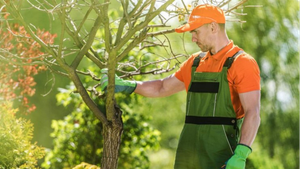
Healthy trees add beauty, shade, and value to your property. However, insects, diseases, poor soil, and harsh weather can affect their health. Sometimes, the first signs seem small. You may notice yellow leaves, dry branches, or unusual spots on the bark. Ignoring these changes can lead to bigger problems. Professional sick tree treatment can help identify the cause of tree damage and determine the right way to protect your landscape.
What Are the Common Signs of an Unhealthy Tree?
Trees often show visible signs when something affects their growth. Paying attention to these changes can help you address problems before they become severe.
Here are some common warning signs:
-
Yellow or spotted leaves: Discolored leaves may point to nutrient problems, insects, or fungal infections.
-
Thinning branches: A tree with fewer leaves than usual may have root damage, disease, or environmental stress.
-
Early leaf drop: Leaves falling before the normal season can indicate poor tree health.
-
Cracked or peeling bark: Damaged bark may expose the tree to pests and infections.
-
Sticky residue: A sticky substance on leaves or branches may come from insects such as aphids.
-
Dry or dead branches: Branches that lose leaves or become brittle may indicate declining tree health.
These signs do not always point to the same problem. A proper inspection helps identify what is affecting the tree.
What Causes Trees to Become Sick?
Several factors can affect the health of trees in residential and commercial landscapes. Understanding these causes helps you choose the right care.
1. Insect Infestations
Insects can damage leaves, stems, and bark. Aphids, scale insects, and certain beetles feed on tree tissues or plant sap. Heavy infestations may weaken growth and cause leaves to curl or turn yellow.
Some insects also create small holes in the bark. Others leave sticky residue on branches and leaves. Regular inspections can help detect these problems early.
2. Fungal and Bacterial Diseases
Fungal and bacterial infections can affect leaves, branches, and trunks. Fire blight, needle cast, and other plant diseases may cause discoloration, dead shoots, and branch damage.
Some infections spread through plant tissue or damaged areas. Removing affected branches may help in certain cases. Other conditions need targeted disease control.
3. Poor Soil Conditions
Soil affects how trees absorb water, oxygen, and nutrients. Compacted soil can limit root growth. Poor drainage may leave roots sitting in excess water. Low nutrient levels can also affect leaf color and new growth.
Healthy soil gives roots better conditions for absorbing the resources trees need.
4. Weather and Environmental Stress
Montana weather can place pressure on landscape trees. Strong winds, dry periods, freezing temperatures, and sudden weather changes can damage branches and roots.
Construction work, soil disturbance, and changes in drainage can also affect tree health. These problems may appear months or even years after the original damage.
How Can You Treat an Unhealthy Tree?
The correct approach depends on the tree species, its condition, and the cause of the problem. Treatment should begin with an inspection rather than applying products without knowing what the tree needs.
Deep Root Fertilization
Tree roots need nutrients to support healthy growth. Deep root fertilization delivers nutrients into the soil around the root zone.
This method can help when poor soil nutrition contributes to declining tree health. It also places nutrients below the surface, where roots can access them.
Soil Health Conditioning
Healthy soil supports stronger root development. Soil conditioning can help improve soil structure and address certain nutrient or pH problems.
The treatment depends on the soil's condition. A professional assessment helps determine whether the soil needs added nutrients or other improvements.
Targeted Trunk Injections
Some pests and diseases may respond to treatments delivered through the trunk. Micro-trunk injections place selected products inside the tree's vascular system.
This method can be useful for certain tree health problems. However, not every disease or insect can be treated this way. The product and application method must match the identified problem.
Integrated Pest Management
Pest management focuses on identifying harmful insects and choosing suitable control methods. This may involve monitoring, targeted applications, and follow-up checks.
The goal is to address harmful pests while limiting unnecessary effects on beneficial insects.
When Should You Contact a Tree Care Professional in Billings?
You should arrange an inspection when you notice repeated leaf discoloration, unusual branch loss, bark damage, or signs of insect activity.
Professional plant treatment services billings mt can help identify the source of these problems and recommend suitable care for your property.
When comparing tree surgeons in billing mt, ask about their inspection process, experience with local tree species, and available treatment methods. You should also ask whether follow-up visits are included.
Early attention may help protect trees before damage becomes more difficult to manage. However, some trees with severe decay or structural damage may not recover. In those cases, removal may be the safer choice.
How Does Regular Tree Care Protect Your Landscape?
Regular inspections help you notice changes before they become serious. A seasonal check can reveal insect activity, poor growth, soil problems, and signs of disease.
Here are a few ways to support healthier trees:
-
Water trees according to their species and soil conditions.
-
Avoid piling excess mulch against the trunk.
-
Keep lawn equipment away from exposed roots and bark.
-
Remove dead or damaged branches when appropriate.
-
Avoid cutting large branches without proper guidance.
-
Check leaves and bark for unusual changes.
-
Keep records of recurring tree health problems.
You should also pay attention to drainage around mature trees. Standing water and compacted soil can affect root health.
Professional alpine tree and shrub care can support these efforts through soil care, pest management, disease control, and regular health assessments.
Why Is Early Tree Care Better Than Waiting?
Small problems can become harder to manage when left untreated. An insect problem may spread. Root stress can affect new growth. Fungal infections may damage more branches over time.
Early inspections help identify these concerns and provide a clearer picture of the tree's condition. They also help homeowners understand which trees can benefit from treatment and which may need other care.
Not every unhealthy tree can be saved. However, timely attention gives you a better chance of addressing manageable problems before they cause serious damage.
Protect the Health of Your Trees
Your trees need proper care to remain healthy and attractive. Watch for changes in leaves, bark, branches, and overall growth. If you notice unusual symptoms, arrange an inspection instead of guessing at the cause.
Professional sick tree treatment can help address insect problems, soil conditions, and certain tree diseases before they cause further damage. Alpine Tree & Lawn provides tree health care in Billings, MT, including root fertilization, soil conditioning, pest management, and disease control. Consider requesting a free estimate to discuss the right care for your trees.
