How to Formulate a Face Cream That Balances Hydration and Lightness?
Author : HitokaCece HitokaCece | Published On : 13 Aug 2026
Introduction
The perfect face cream is the holy grail of skincare formulation—a product that provides deep, lasting hydration while feeling virtually weightless on the skin. I have worked on dozens of face cream formulations, and I can tell you that achieving this balance is one of the most challenging tasks in cosmetic chemistry. Consumers want their skin to feel moisturized, but they also want their moisturizer to disappear into the skin without leaving any heavy or greasy residue. The face cream market continues to evolve, with consumers increasingly seeking products that deliver both efficacy and sensory pleasure. Let me share what I have learned about formulating a face cream that balances hydration and lightness.
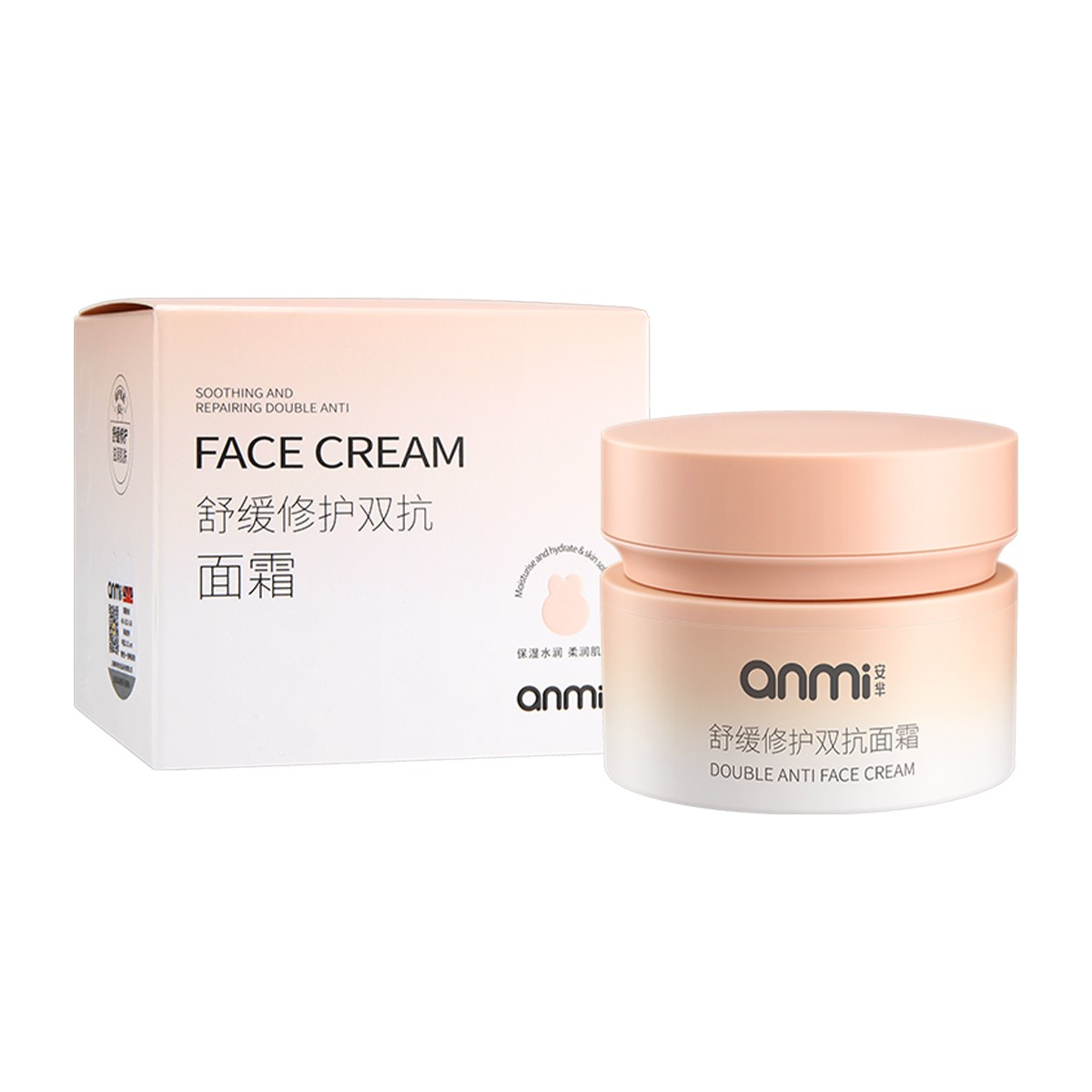
Lightweight Oils and Emollients for Face Cream Formulation
The secret to a lightweight face cream lies in the choice of oils and emollients. Lightweight esters such as isononyl isononanoate, caprylic/capric triglyceride, and cetearyl ethylhexanoate provide moisturization without weighing down the skin. Volatile silicones such as cyclopentasiloxane and cyclohexasiloxane evaporate after application, leaving a smooth, non-greasy finish. Natural oils with a light texture, including squalane and jojoba oil, can also be used. The emollient system should be carefully balanced to provide enough moisture for the skin without leaving a detectable film. A well-chosen oil phase creates a cream that spreads easily, absorbs quickly, and leaves the skin feeling soft and smooth.
Gel-Forming Polymers and Texture-Enhancing Ingredients
The texture of a face cream is determined largely by the thickeners and polymers used in the formulation. Gel-forming polymers, including carbomers and polyacrylates, create a lightweight, gel-like texture that feels refreshing on the skin. These ingredients allow formulators to create creams that are fluid enough to spread easily while providing enough body to be perceived as substantive. Hydroxyethyl cellulose and other polysaccharide thickeners can also be used to adjust viscosity and improve skin feel. The choice of thickener affects not only the texture but also the stability and skin feel of the cream. A well-formulated face cream uses a blend of thickeners that provides the desired texture without leaving a sticky or heavy feel.
Emulsion Stability and Packaging for Face Cream
A face cream is an emulsion—a mixture of oil and water that must remain stable over time. The emulsifier system must be carefully selected to maintain emulsion stability across a range of temperatures and conditions. The pH of the cream should be compatible with the skin's natural pH and with the active ingredients in the formulation. Packaging plays a critical role in preserving the face cream's performance. Airless pumps and tubes prevent oxidation and contamination, extending product shelf life. The packaging should also be designed for convenient, hygienic dispensing. A stable face cream with appropriate packaging will deliver consistent performance from the first use to the last, building consumer trust and loyalty.
Conclusion
Formulating a face cream that balances hydration and lightness requires careful selection of lightweight oils and emollients for a non-greasy feel, gel-forming polymers and texture-enhancing ingredients for a refreshing texture, and robust emulsion stability with appropriate packaging. Lightweight esters and volatile silicones provide moisture without weighing down the skin. Gel-forming polymers create a light, refreshing texture. Stable emulsions and protective packaging preserve product performance. By focusing on these factors, beauty brands can develop face creams that deliver the hydration consumers want with the light, comfortable texture they desire.
