How to Find Bread with More Protein and Fewer Calories
Author : Low Carb Avenue | Published On : 20 Oct 2026
What if your everyday sandwich could deliver more protein without adding unnecessary calories to your meal? The answer starts with understanding what's inside your loaf.
For people who want convenient meals without compromising their nutrition goals, high protein bread offers an alternative worth exploring. However, finding the right option requires more than reading a label that says “high protein.” You need to compare nutritional values, understand the ingredients, and consider how each slice fits into your daily diet.
With options available from Low Carb Avenue, you can explore different bread varieties and make a more informed decision based on your preferences.
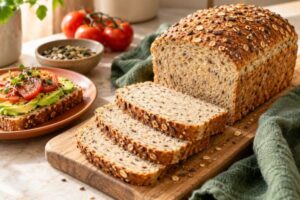
1. Look Beyond the Front-of-Pack Claims
Words like “healthy,” “protein-rich,” and “low-carb” can attract attention, but they don't tell the complete nutritional story. Two loaves with similar marketing claims may have very different calorie and protein contents.
What numbers should you compare?
Start with the nutrition facts panel and check:
-
Protein per slice: Helps you understand how much protein the bread contributes to your meal.
-
Calories per serving: Useful when monitoring your overall calorie intake.
-
Dietary fiber: Important for digestive health and can contribute to feelings of fullness.
-
Total carbohydrates: Particularly relevant if you're following a carbohydrate-conscious eating plan.
-
Added sugars: Helps you assess the product's overall nutritional profile.
A bread that provides more protein for a similar number of calories may be a useful option. Compare serving sizes carefully to ensure you're evaluating products fairly.
2. Understand the Role of Protein-Rich Ingredients
The ingredients in a loaf determine much of its nutritional value. Conventional breads typically rely on wheat flour, while some protein-focused varieties incorporate additional ingredients to increase their protein content.
Ingredients that can make a difference
Wheat protein: Often used to increase protein levels while maintaining a bread-like texture.
Seeds and nuts: Ingredients such as flaxseed, sesame seeds, and almonds can contribute protein, fiber, and fats. However, their calorie content should also be considered.
Protein-enriched flour blends: Certain formulations combine different flours or protein ingredients to create a product with a different nutritional profile.
When evaluating these ingredients, consider the complete recipe rather than focusing on one component. Products can vary significantly in their protein, carbohydrate, and calorie content.
3. Calculate How Much Protein You Get for Your Calories
A practical way to compare bread is to consider both protein and calories together.
For example, imagine two hypothetical bread options:
| Nutritional value | Bread A | Bread B |
|---|---|---|
| Calories per slice | 80 | 60 |
| Protein per slice | 4 g | 6 g |
| Protein per 100 calories | 5 g | 10 g |
In this example, Bread B provides more protein for fewer calories. These figures are illustrative, not actual product specifications.
This comparison can help you identify bread that better matches your nutritional priorities. Still, remember that taste, fiber, ingredients, and portion size also matter.
4. Explore Low-Carb Breads Without Assuming They're Low-Calorie
People reducing their carbohydrate intake often explore low carb breads as alternatives to conventional loaves. These products may use different flour blends, fibers, seeds, or protein ingredients to change their carbohydrate content.
However, lower carbohydrates don't automatically mean fewer calories. Ingredients such as nuts and seeds can contribute substantial energy even when the bread contains relatively few carbohydrates.
If calorie reduction is your main goal, compare calories per slice first. If you're also limiting carbohydrates, examine total carbohydrates, fiber, and net carbohydrates as additional measures.
You can explore low calorie bread from Low Carb Avenue to review available options and their nutritional details.
5. Match Your Bread to the Meals You Actually Eat
The best nutritional choice is one you can comfortably include in your everyday routine. Instead of purchasing bread based on protein content alone, think about how you plan to serve it.
Build more balanced meals
-
For breakfast: Pair toast with eggs, cottage cheese, or tofu.
-
For lunch: Prepare a sandwich with grilled chicken, tuna, or beans and fresh vegetables.
-
For snacks: Add hummus and cucumber to a slice of toasted bread.
-
For dinner: Serve bread alongside vegetable soup, lentils, or a fresh salad.
Combining bread with other protein sources can help you build meals that meet your nutritional needs. Meanwhile, vegetables add variety and valuable nutrients.
Be mindful of toppings, too. Butter, mayonnaise, cheese, and nut butters can add calories quickly, so portion sizes are worth considering.
6. Compare Available Varieties Before Buying
Texture and flavor can influence whether you enjoy a particular bread enough to use it regularly. Plain bread may work well for sandwiches, while seeded varieties can add crunch and a different flavor.
Low Carb Avenue offers bread options for people exploring alternatives to conventional products. Its website includes dedicated selections for high protein bread and lower-calorie varieties.
Review the nutrition information for each product before purchasing. Don't assume that every variety has identical protein, calorie, or carbohydrate values.
If you have food allergies or dietary restrictions, check the complete ingredient and allergen information as well.
7. Consider the Complete Nutritional Picture
Protein and calories are important, but a good everyday food choice involves more than two numbers. Fiber, ingredients, serving size, taste, and your overall eating pattern all contribute to how well a product fits your needs.
A higher-protein loaf may be useful if you want to increase protein intake while continuing to enjoy toast and sandwiches. However, it shouldn't replace other nutritious protein sources or a varied diet.
Likewise, low-calorie bread can make calorie planning easier, but the calories in the complete meal still count. Choose toppings and sides that complement your goals.
Frequently Asked Questions
Does high-protein bread contain fewer calories than regular bread?
Not necessarily. Some varieties provide more protein at a lower calorie count, while others may contain similar or higher calories. Always compare nutrition labels.
What is the best bread for increasing protein intake?
Look for bread with a relatively high protein content per serving and a calorie level that suits your needs. Ingredients and nutritional values vary by product.
Are low-carb breads suitable for calorie-conscious diets?
They can be, provided their calorie content fits your eating plan. Low carbohydrate content alone doesn't guarantee fewer calories.
Should I compare bread by slice or by weight?
Both can be useful. Comparing per slice helps with everyday portions, while comparing per 100 grams can provide a fairer comparison between products with different slice sizes.
Final Thoughts
Finding bread with more protein and fewer calories becomes easier when you know which nutritional values to compare. Start with protein and calories, check ingredients and fiber, and consider how the bread fits into your usual meals.
Low Carb Avenue provides options worth exploring if you're interested in different protein and calorie profiles. By reviewing individual product labels and choosing suitable portions, you can find bread that complements your preferences and supports a balanced eating routine.
