How to Extend the Service Life of Your Industrial Blades?
Author : HitokaCece HitokaCece | Published On : 13 Aug 2026
Introduction
Industrial blades are a significant operating expense in many manufacturing operations, and extending their service life directly improves profitability. I have worked with manufacturers who reduced their blade costs by 40% simply by implementing better blade management practices. The key to extending industrial blade life is understanding the factors that cause wear and taking proactive steps to address them. Let me share the strategies I have learned for getting the most life from industrial blades.
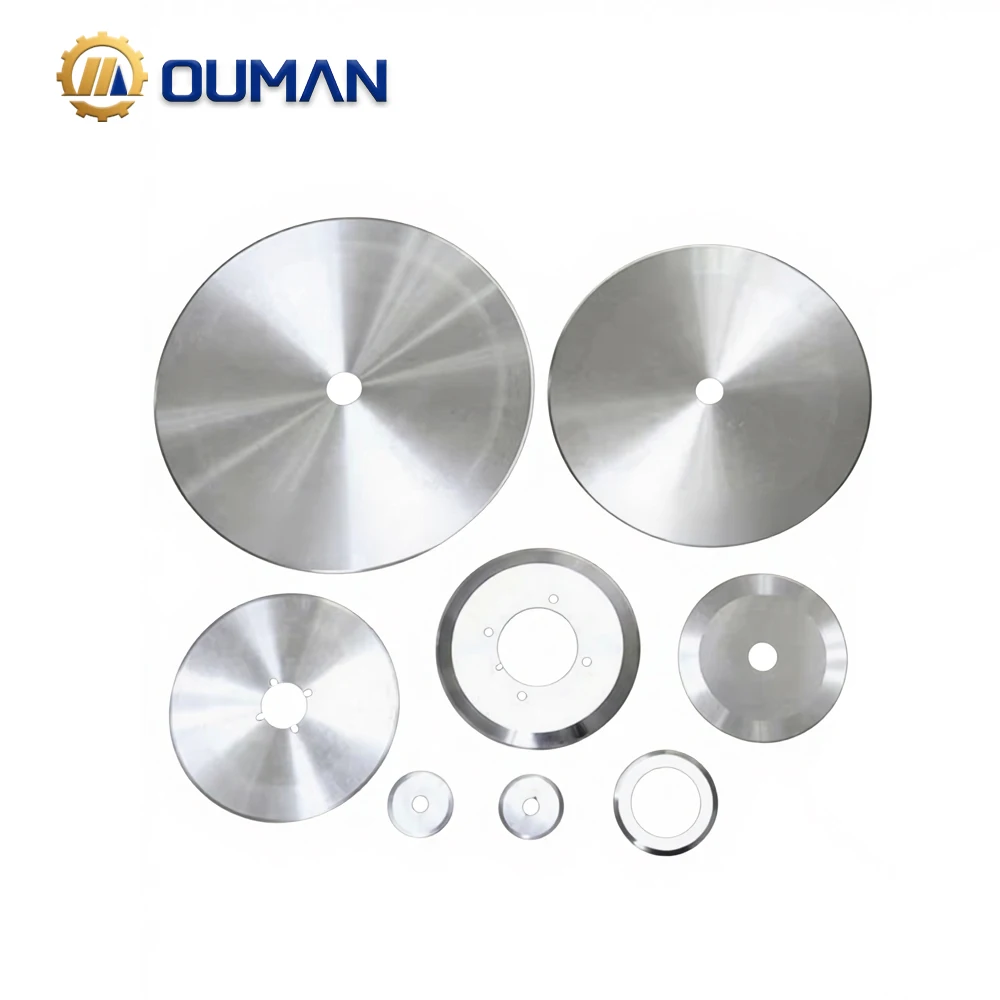
Material Selection and Application Matching
The foundation of long blade life is selecting the right material for the application. High-speed steel blades offer excellent toughness for high-speed cutting. Tungsten carbide blades provide superior wear resistance for abrasive materials, with service life three to five times longer than ordinary carbon steel. Stainless steel blades resist corrosion in wet or acidic environments. Matching the blade material to the specific cutting application—considering the material being cut, the cutting speed, and the operating environment—is the single most important factor in extending blade life. Using a blade that is under-specified for the application will result in rapid wear and frequent replacement.
Correct Installation and Operating Parameters
Even the best industrial blade will fail prematurely if it is not installed correctly or operated within proper parameters. Ensure that blades are mounted securely and aligned properly with the machine's cutting mechanism. Misalignment causes uneven wear and can lead to blade damage. Operating parameters—including cutting speed, feed rate, and cutting pressure—must be set according to the blade manufacturer's recommendations. Excessive speed or pressure accelerates wear, while insufficient speed or pressure can cause poor cut quality and material binding. Training operators on correct installation and operation procedures is essential for maximizing blade life. A blade that is installed and operated correctly will last significantly longer than one that is not.
Regular Maintenance and Sharpening of Industrial Blades
A scheduled maintenance program is essential for extending industrial blade life. Regular inspection for signs of wear—dulling, chipping, or deformation—allows for timely intervention before wear affects cut quality or causes machine damage. Sharpening restores the blade's cutting edge and extends its service life; precision grinding equipment is essential for maintaining the correct edge geometry. The sharpening frequency depends on the material being cut and the production volume. When blades can no longer be effectively sharpened due to excessive material loss, they must be replaced. Implementing a blade tracking system—recording installation dates, sharpening intervals, and replacement history—helps optimize maintenance schedules and identify opportunities for improvement. Working with a supplier who offers regrinding services and technical support ensures that your blades are maintained to the highest standards.
Conclusion
Extending the service life of industrial blades requires proper material selection, correct installation and operating parameters, and regular maintenance and sharpening. Matching the blade material to the application is the foundation of long blade life. Correct installation and operation prevent premature wear. Regular inspection and sharpening maintain cutting performance and extend service life. By implementing these strategies, production managers and maintenance professionals can significantly reduce blade costs, minimize downtime, and improve production efficiency.
