How to Experience the Ultimate Whale Watching in Maui?
Author : Anas Khan | Published On : 16 Feb 2026
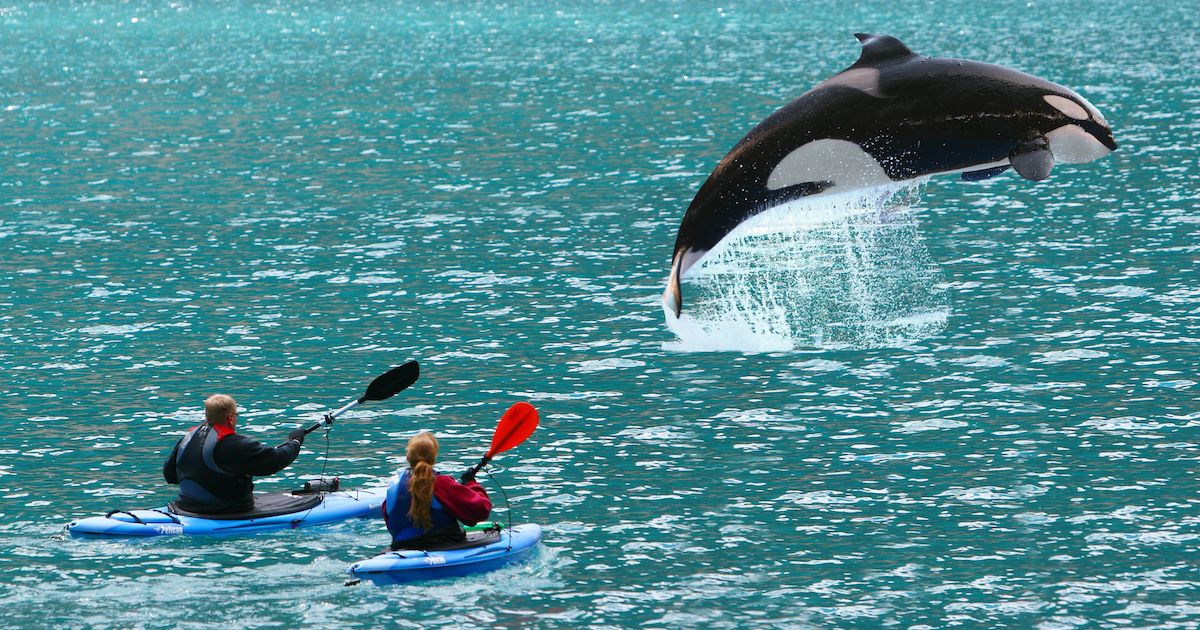
Whale watching in Maui offers one of nature's most breathtaking spectacles, as thousands of humpback whales migrate to Hawaiian waters between December and May each year. The best way to experience these magnificent creatures is through dedicated whale watching tours in Maui, which depart from Lahaina and Ma'alaea Harbor, offering 2-3 hour excursions with expert naturalists who can identify individual whales and explain their behaviors. For a more intimate encounter, kayak whale watching provides an unforgettable perspective from sea level, where you can hear the whales' haunting songs underwater and witness breaches, tail slaps, and spy-hops from just yards away though paddlers must maintain the legally required 100-yard distance from these protected marine mammals.
Why Maui Is the World's Premier Whale Watching Destination
Maui didn't earn its reputation as the whale watching capital of the world by accident. The island's unique geographical position creates the perfect sanctuary for humpback whales who travel over 3,000 miles from Alaska's nutrient-rich feeding grounds to Hawaii's warm, shallow waters.
The channel between Maui, Moloka'i, and Lana'i known as the Maui Nui Basin provides ideal conditions for whale nursing, breeding, and birthing. These protected waters maintain temperatures between 75-80°F, allowing newborn calves to conserve energy while building the blubber layer they'll need for their eventual journey north.
What makes whale watching in Maui truly exceptional is the sheer concentration of whales. During peak season (January through March), researchers estimate that two-thirds of the entire North Pacific humpback whale population approximately 10,000 to 12,000 whales congregate in Hawaiian waters, with the majority choosing Maui's channels as their winter home.
Understanding Humpback Whale Behavior in Hawaiian Waters
Witnessing a 40-ton humpback whale launch itself completely out of the water creates a memory that lasts forever. But understanding why these gentle giants perform such spectacular displays enhances the experience exponentially.
Breaching occurs when whales propel themselves vertically out of the water, rotating before crashing back down. Scientists believe this behavior serves multiple purposes: communication across long distances, removing parasites, and possibly pure playfulness. You'll often see competitive pods of males breaching repeatedly while vying for a female's attention.
Tail slapping happens when whales lift their massive flukes and slap them forcefully against the water's surface. This dramatic gesture may signal aggression, warn off competitors, or communicate with distant pod members. The sound carries for miles underwater.
Spy-hopping demonstrates the whales' curiosity they rise vertically with their heads above water, rotating slowly to observe their surroundings. During this behavior, you can actually make eye contact with these intelligent creatures, creating an profound inter-species connection.
Pec slapping involves whales lying on their sides and repeatedly slapping their long pectoral fins against the water. These fins can reach 15 feet in length, creating thunderous splashes visible from miles away.
Choosing the Right Whale Watching Tour for Your Experience Level
Traditional Boat Tours: Comfort and Expertise Combined
Whale watching tours in Maui range from intimate six-passenger rafts to large catamarans carrying 100+ guests. Each offers distinct advantages depending on your priorities.
Small Raft Tours provide agility and speed, allowing captains to reposition quickly when whales surface unexpectedly. These vessels sit lower to the water, offering a more immersive perspective. However, the ride can be bumpy, making them less suitable for young children, pregnant women, or those prone to seasickness.
Mid-Size Boats (20-40 passengers) strike the perfect balance between intimacy and stability. You'll benefit from expert naturalist commentary, stable viewing platforms, and the ability to move around the vessel for optimal photo opportunities. Most include hydrophones that broadcast whale songs in real-time—an ethereal soundtrack to your adventure.
Large Catamarans offer maximum stability and amenities like shaded seating, restrooms, and food service. While you'll share the experience with more people, their elevated decks provide excellent sightlines, and they typically feature naturalists from organizations like Pacific Whale Foundation who contribute valuable research data during every voyage.
Kayak Whale Watching: An Intimate Encounter
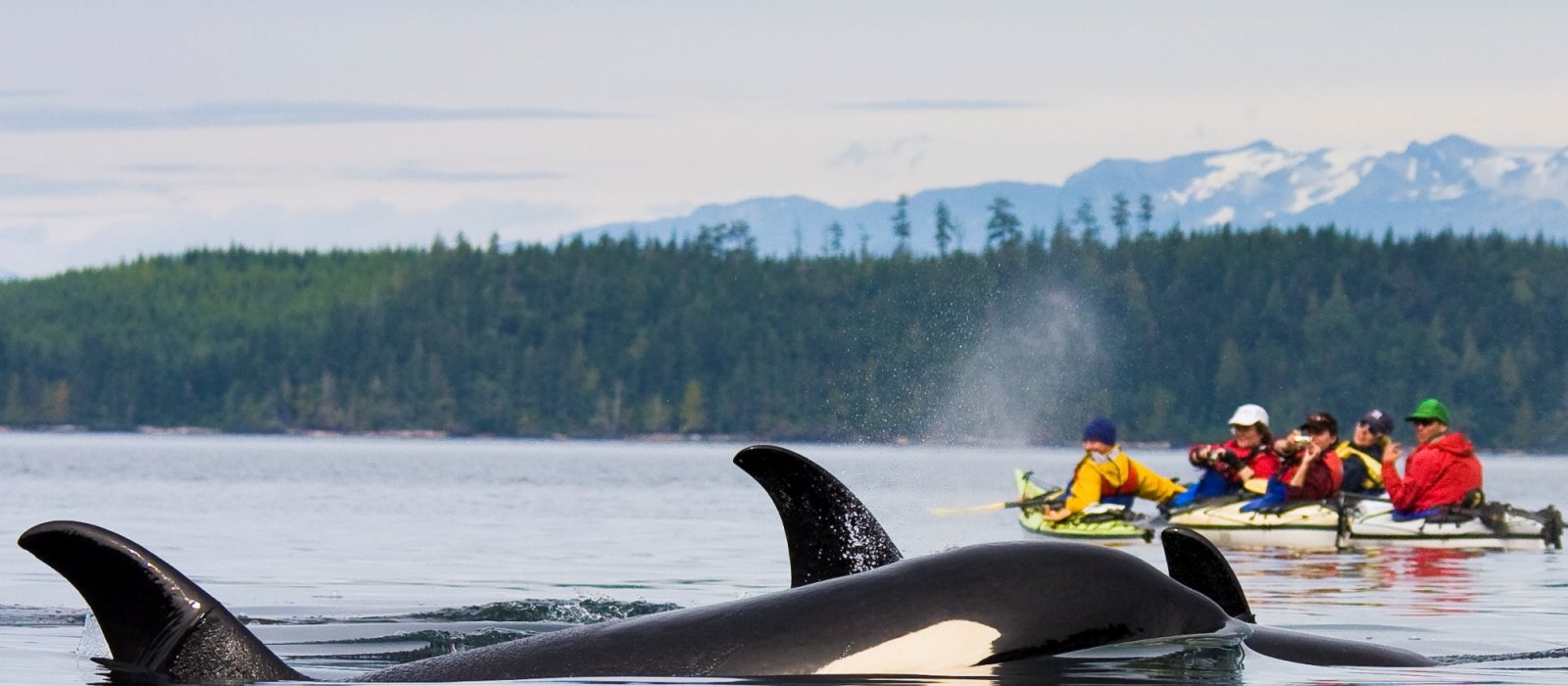
Maui kayak whale watching represents the most exhilarating way to experience these ocean giants. Paddling silently across glassy morning waters, you'll hear whale songs resonating through your kayak's hull vibrations you can feel in your chest.
Why Choose Kayak Whale Watching?
The intimacy is unmatched. From a kayak's sea-level perspective, a whale breach becomes even more spectacular. You'll appreciate the true scale of these animals when a 45-foot whale surfaces nearby, its eye the size of a grapefruit observing you with apparent curiosity.
Kayaking also allows access to shallower coastal areas where mothers and calves often rest, away from deeper channels' boat traffic. The silence of paddle-powered movement means you won't disturb their natural behaviors.
Important Considerations for Kayak Tours
Federal law requires maintaining 100 yards from humpback whales (300 yards from mothers with calves). Reputable maui kayak whale watching operators strictly enforce these regulations. However, whales often approach kayaks out of curiosity a magical experience where you simply stop paddling and let them control the encounter.
Moderate fitness is required, as you'll paddle 4-6 miles during a typical three-hour tour. Morning departures between 6:00-8:00 AM offer calmest conditions and most active whale behavior, as whales tend to rest during afternoon hours.
When to Plan Your Whale Watching Adventure
Timing determines success in whale watching. While humpbacks visit Maui from November through May, the experience varies dramatically across this window.
December through early January marks the beginning of whale season. Early arrivals tend to be pregnant females seeking calm waters for birthing. You'll see fewer whales, but crowds are lighter and tour prices lower.
Late January through March represents peak season for whale watching in Maui. Maximum whale numbers mean multiple sightings per tour are virtually guaranteed. Competition among males creates spectacular surface activity breaches, competitive groups, and heat runs where multiple males chase a female at high speed.
April through May offers a unique experience as whales prepare for their northern migration. You'll see mothers teaching calves essential skills like breaching and diving. The whales build energy reserves, spending more time resting at the surface perfect for photography. Tours are less crowded, though whale numbers decline as the season progresses.
Prime Viewing Locations Around Maui
Each coastal region offers distinct whale watching opportunities, both from shore and aboard tours.
West Maui (Lahaina to Kapalua) provides the island's most accessible whale watching. The offshore waters between West Maui and Lana'i create a natural amphitheater where whales congregate in dense concentrations. Shore observers at Papawai Point near McGregor Point lighthouse often witness breaches and competitive pods without leaving land.
South Maui (Kihei to Wailea) offers excellent beach-based viewing, particularly from Keawakapu Beach and Wailea Beach Path. The shallow waters attract mother-calf pairs, and calm morning conditions make this region ideal for kayak whale watching.
Central Maui (Ma'alaea Harbor) sits closest to the deepest channel waters where male competition groups gather. Tours departing from Ma'alaea reach prime viewing areas within minutes, maximizing water time during your excursion.
What to Bring for an Optimal Experience
Preparation ensures you capture memories without distraction. Essentials include:
- Reef-safe sunscreen (regular sunscreen damages Hawaii's delicate coral ecosystems)
- Polarized sunglasses to reduce glare and spot underwater whale shadows
- Layered clothing as morning ocean temperatures can feel surprisingly cool
- Motion sickness prevention if you're susceptible ginger tablets work surprisingly well
- Camera with telephoto lens or smartphone with zoom capabilities
- Waterproof bag to protect electronics from ocean spray
Maximizing Your Sighting Success
Even during peak season, whales remain wild animals following unpredictable patterns. These strategies improve your odds:
Book morning departures. Whales are most active in early hours after resting overnight. Afternoon seas also become choppier, reducing visibility and making whales harder to spot.
Choose smaller groups. Vessels carrying fewer passengers can maneuver more quickly and spend more time with whale sightings rather than adhering to rigid schedules.
Listen to the captain. Experienced operators know where whales were spotted recently and understand local behavior patterns. They communicate with other vessels to maximize everyone's success.
Practice patience. Even the best tours experience quiet periods. Whales must surface to breathe but can remain underwater for 45 minutes between breaths. That moment of stillness makes the next breach even more spectacular.
Contributing to Whale Conservation
Every whale watching tour contributes to conservation efforts but you can amplify your positive impact.
Choose operators certified by Pacific Whale Foundation or similar organizations that contribute sighting data to research databases. These observations help scientists track population health, migration timing, and behavioral changes.
Report any violations of federal approach regulations (vessels closer than 100 yards or aircraft lower than 1,000 feet) to NOAA's hotline. These laws protect both whales and the long-term viability of whale watching tourism.
Consider adopting a whale through Maui Ocean Center or Hawaiian Islands Humpback Whale National Marine Sanctuary. Your contribution funds research, education, and habitat protection.
The Transformative Power of Whale Watching in Maui
Beyond the spectacular surface behaviors and perfect photo opportunities, whale watching creates something profound a connection with the natural world that reminds us of our responsibility as stewards of the ocean.
Whether you choose the intimate adventure of maui kayak whale watching, the expertise and comfort of traditional whale watching tours in maui, or simply observing from shore with a good pair of binoculars, you're witnessing one of Earth's greatest natural phenomena. The haunting songs of these gentle giants, their playful breaches, and the tender interactions between mothers and calves create memories that transcend typical vacation experiences.
These magnificent creatures survived near-extinction, rebounding from just a few thousand individuals to over 25,000 worldwide a conservation success story. Your respectful observation and support of ethical tour operators ensures future generations will also experience the magic of whale watching in Maui's pristine waters.
