How to Design a Living Room with Modern Comfort
Author : DLIFE Home Interiors | Published On : 01 Oct 2026
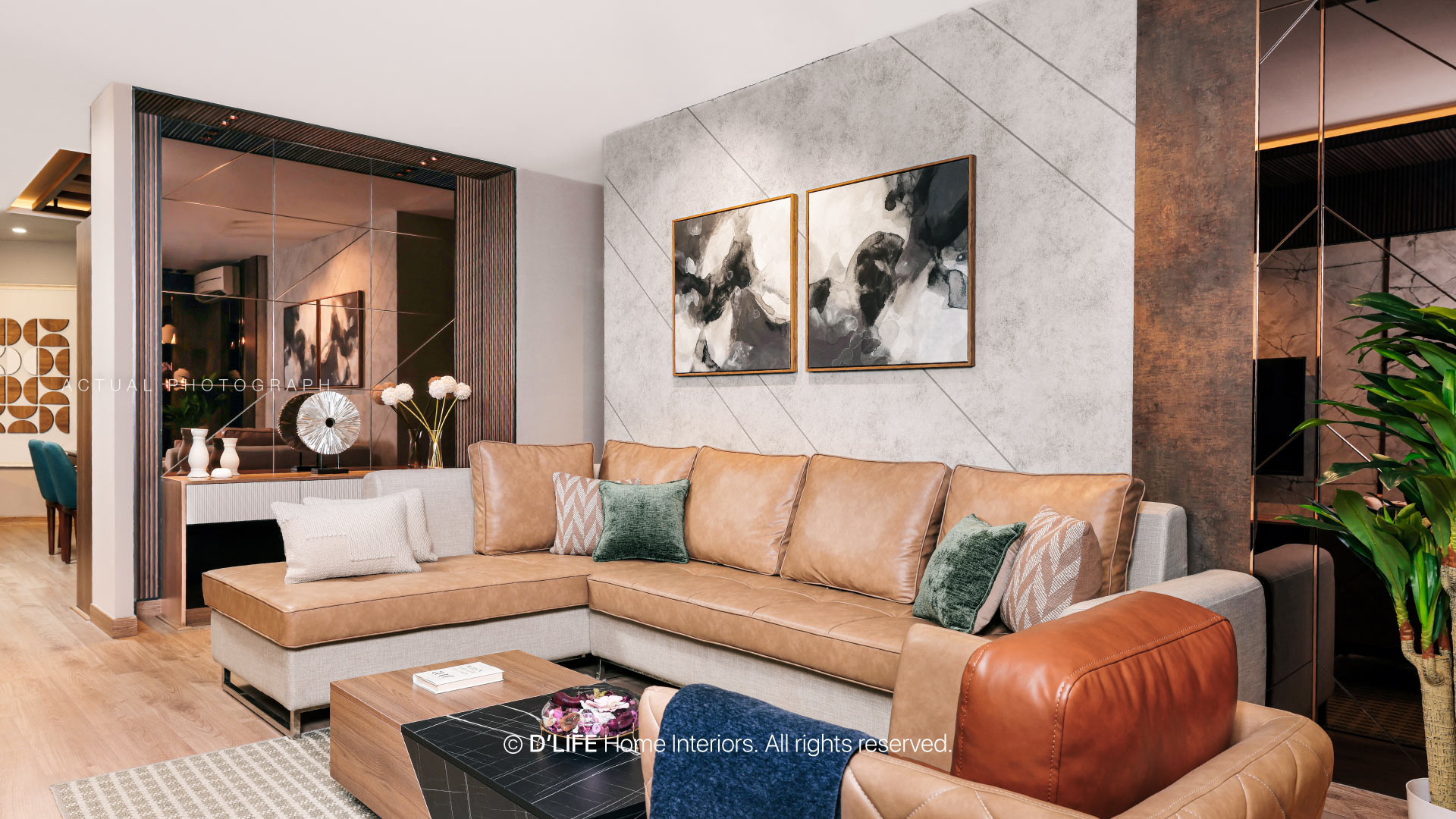
A comfortable living room should work effortlessly from morning coffee to relaxed evenings with family. Modern design isn't simply about straight lines, neutral colours, or expensive furniture. It comes from understanding how the room will be used and making every design choice support that purpose. The right layout, lighting, materials, storage, and furniture can make even a compact living room feel spacious and inviting. Our interior designers in Coimbatore compiled this article so you perfectly design a living room with all modern comfort.
Begin With a Practical Living Room Layout
The layout determines how easily people move, sit, talk, and interact with the space. Start by studying the room's doors, windows, electrical points, and natural movement paths before selecting furniture. A visually attractive arrangement can become frustrating when it blocks circulation or leaves important areas difficult to access.
-
Keep a comfortable passage between the entrance and other frequently used areas.
-
Position seating to encourage conversation instead of arranging everything around the television.
-
Maintain enough space between sofas, tables, and chairs for convenient movement.
-
Use a rug to visually define the seating zone without covering every part of the floor.
-
Consider the proportions of the room before choosing large sofas or bulky furniture.
Select Furniture Around Everyday Comfort
Furniture has a major influence on how a living room feels. Modern pieces often have simple shapes, but clean styling shouldn't mean sacrificing comfort. Look for furniture that supports the way your household actually spends time in the room.
-
Choose sofas with supportive cushions and suitable seat depth.
-
Add an accent chair when there is enough room without creating congestion.
-
Select a coffee table that remains accessible from the primary seating positions.
-
Consider nesting tables when flexibility is useful in smaller rooms.
-
Avoid filling unused corners simply because there is available floor space.
Build a Layered Lighting Scheme
Lighting can change the character of a living room within minutes. Bright general lighting works for cleaning and everyday activities, while softer sources create a more relaxed atmosphere in the evening. Combining different types of lighting gives you greater control over the room.
-
Use ceiling lights for overall illumination.
-
Add floor or table lamps around seating areas for softer pools of light.
-
Use wall lights to highlight artwork, textured surfaces, or architectural features.
-
Choose warm lighting around relaxation zones to create a welcoming atmosphere.
-
Consider daylight while planning curtains, blinds, and window treatments.
Bring Warmth Through Materials and Textures
A modern living room can appear visually cold when every surface is smooth and polished. Texture creates depth without making the design complicated. Upholstery, wood, rugs, curtains, cushions, stone, and subtle decorative finishes can work together to soften the overall appearance.
-
Combine smooth furniture surfaces with tactile fabrics or natural materials.
-
Select curtains that complement the room's furniture and architectural character.
-
Introduce timber finishes to add visual warmth to contemporary interiors.
-
Layer rugs and cushions carefully rather than using too many competing patterns.
-
Balance hard surfaces with softer furnishings for a more comfortable atmosphere.
Design Storage Into the Room
Clutter can quickly make a carefully planned living room feel smaller. Instead of depending on temporary storage boxes, incorporate storage into the design itself. Well-planned cabinets can hide everyday items while keeping frequently used belongings accessible.
-
Use closed storage for electronics, documents, toys, and miscellaneous household items.
-
Add open shelves selectively for books, artwork, and decorative objects.
-
Choose a media unit that provides space for devices and cable management.
-
Consider storage benches where additional seating and organisation can serve the same purpose.
-
Keep visible surfaces relatively clear to maintain a sense of openness.
Make Technology Feel Like Part of the Design
Televisions, speakers, routers, charging devices, and other electronics are now common features of modern homes. They should support the room rather than dominate it. Planning technology alongside furniture and electrical requirements can produce a cleaner result.
-
Position the television according to comfortable viewing height and distance.
-
Plan electrical outlets before installing fixed furniture or wall panels.
-
Conceal cables through suitable conduits or integrated storage.
-
Create convenient charging points near commonly used seating areas.
-
Consider automated lighting or curtains when smart controls genuinely improve daily routines.
Choose a Balanced Colour Palette
Colour affects both the visual size and mood of a living room. A modern scheme doesn't need to be completely white or grey. Natural neutrals combined with carefully selected accents can create a space that feels current without becoming difficult to update.
-
Use a dependable base shade for larger surfaces such as walls and major furniture.
-
Introduce earthy colours through cushions, rugs, artwork, or accessories.
-
Repeat selected tones across different materials to create visual connection.
-
Test paint and fabric samples under both natural and artificial light.
-
Avoid using too many unrelated accent colours in one room.
Personalise the Space With Restraint
A living room should reflect the people who use it. Personal touches make the space feel less generic, but too many decorative elements can compete with the architecture and furniture. Choose pieces that contribute character without creating visual noise.
-
Display artwork according to the available wall space and furniture scale.
-
Use plants to introduce natural shapes and greenery.
-
Keep meaningful objects visible without overcrowding shelves or tables.
-
Select decorative accessories that complement existing materials and colours.
-
Leave some areas intentionally uncluttered to give the room visual breathing space.
Consider Local Lifestyle and Climate
A successful living room also responds to its environment. Homes in warm regions may need stronger daylight control, breathable fabrics, and thoughtful ventilation. This is where professional planning can make a noticeable difference. For homeowners searching for a reliable team of interior designers in India, local knowledge can help connect design decisions with climate, architecture, available materials, and everyday lifestyle requirements.
-
Choose window treatments according to sunlight exposure and privacy needs.
-
Consider fabrics that remain practical in the local climate.
-
Plan furniture placement around windows and ventilation points.
-
Select finishes that suit the maintenance requirements of the household.
-
Prioritise materials that remain comfortable throughout the year.
Create a Room That Can Adapt
Good modern design shouldn't become outdated because your lifestyle changes. A living room may eventually need space for children, additional seating, new technology, or a different entertainment setup. Flexible choices make future changes easier.
-
Choose movable furniture where possible instead of fixing every element permanently.
-
Keep sufficient electrical capacity for future devices.
-
Select neutral foundations that can support changing accessories.
-
Use modular storage when the room may need different configurations.
-
Allow enough open space for the room to evolve naturally.
Bringing the Design Together
A well-designed living room brings together comfort, functionality, aesthetics, and long-term practicality. From the layout and furniture to lighting, storage, materials, and colour choices, every element should contribute to a cohesive living environment. Thoughtful planning ensures that the space reflects the household's lifestyle while remaining adaptable to changing needs. With the expertise of experienced interior designers in Coimbatore, homeowners can create living rooms that combine contemporary design with everyday comfort, resulting in a space that feels refined, purposeful, and welcoming.
