How to Compare Steel Construction Cost vs Concrete for Your Next Project?
Author : HitokaCece HitokaCece | Published On : 13 Aug 2026
Introduction
The debate between steel and concrete construction is as old as modern building itself, and I have been asked the question countless times: which is cheaper? The honest answer is that it depends—on your project, your location, and your priorities. Recent studies show that estimated structural costs for steel and concrete are often similar: one study found steel at $3,107,500 and concrete at $3,121,500. But cost is only one factor. Construction speed, design flexibility, future adaptability, and life-cycle performance all matter. Let me help you understand how to compare steel construction cost versus concrete for your next project.
Initial Construction Cost Comparison: Steel vs Concrete
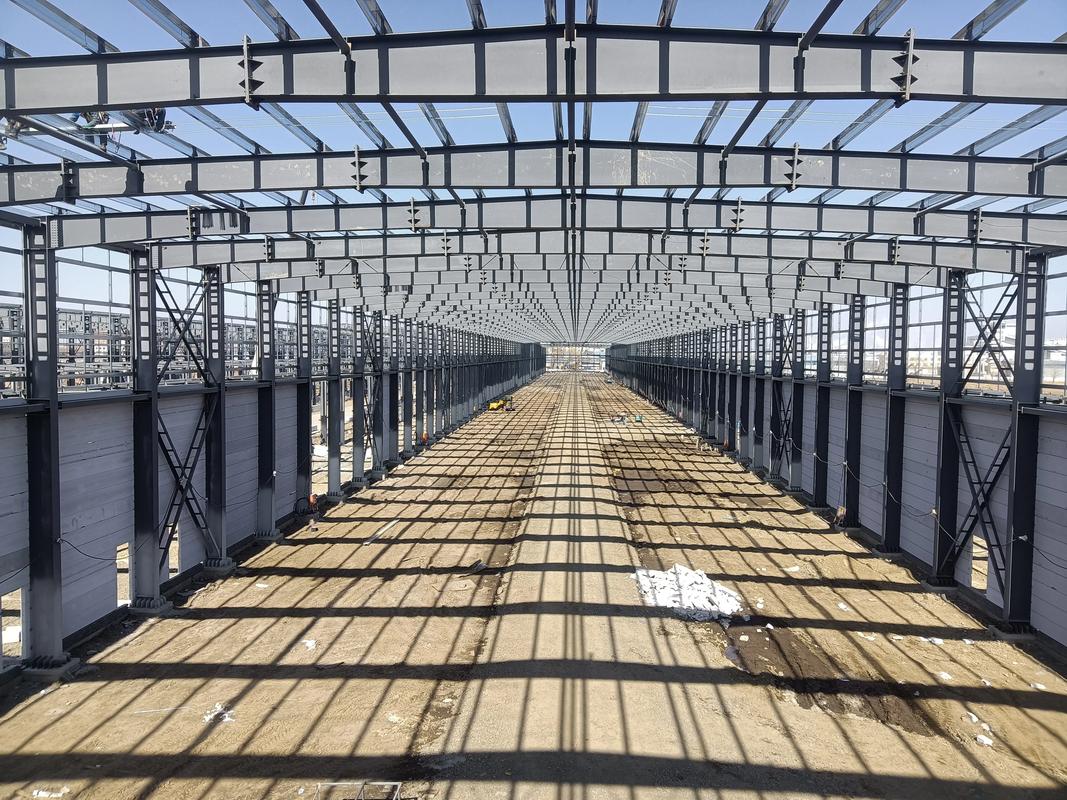
Initial construction costs for steel and concrete structures are often comparable, but the cost distribution differs significantly. Steel structures typically have higher material costs but lower labor costs, while concrete structures have lower material costs but higher labor and formwork costs. Steel frame construction can often be completed faster than concrete, reducing financing costs and allowing earlier occupancy. Prefabricated steel components significantly reduce on-site construction time, while concrete requires curing time that extends the schedule. For projects where time is money, the faster construction of steel can offset higher material costs. When comparing initial costs, consider the total project cost—including financing, labor, and schedule—not just material prices.
Life-Cycle Cost Comparison: Steel vs Concrete
Life-cycle costs—including maintenance, repairs, and eventual modifications—often tell a different story than initial costs. Steel structures offer excellent adaptability for future modifications and expansions. Walls can be relocated, floors can be reinforced, and buildings can be expanded with relative ease. Concrete structures, while durable, are more difficult and expensive to modify. Steel is also fully recyclable, offering environmental benefits and potential end-of-life value. When comparing steel construction cost versus concrete over the full life of the building, steel's adaptability and recyclability provide significant advantages that are not captured in initial cost comparisons.
Construction Speed and Schedule Impact: Steel vs Concrete
Construction speed is one of the most significant advantages of steel construction. Prefabricated steel components are manufactured in factory-controlled conditions while site preparation is underway. Once foundations are ready, steel erection proceeds rapidly—often completing the structural frame in weeks rather than months. Concrete construction requires formwork, reinforcement placement, concrete pouring, and curing—each step takes time and is subject to weather delays. Faster construction with steel means earlier occupancy, earlier revenue generation, and lower construction financing costs. For projects with tight schedules, the speed of steel construction can be a decisive advantage.
Conclusion
Comparing steel construction cost versus concrete requires looking beyond initial material prices to consider total project cost, life-cycle performance, and construction speed. While initial structural costs are often comparable, steel offers advantages in construction speed, future adaptability, and recyclability. For projects where schedule, flexibility, and long-term value matter, steel construction often proves the more cost-effective choice over the full life of the building.
