How to Clean and Maintain Clear Aligners Properly: A Complete Guide for Better Results
Author : Arya Dental | Published On : 22 Jun 2026
Clear aligners have quietly transformed the way people approach orthodontic treatment in India. Gone are the days when straightening teeth meant years of metal brackets and dietary restrictions. Today, millions of people are opting for removable, nearly invisible trays that fit into their lives with minimal disruption. But here is a detail many patients overlook until they are already mid-treatment: how you care for your aligners matters just as much as wearing them consistently. Poor maintenance can compromise your results, damage the trays, and even affect your oral health. This guide takes a benefits-and-decision angle - helping you understand not just the how, but the who, the why, and what to weigh before and during treatment.
Why Aligner Hygiene Is Non-Negotiable
Aligners sit snugly against your teeth for 20 to 22 hours every day. That close, prolonged contact creates a warm, moist environment where bacteria thrive. If you are not cleaning your trays consistently, you are essentially trapping plaque and food residue against your enamel around the clock. Over time, this can lead to cavities, bad breath, and gum irritation - all things you absolutely want to avoid while investing in a straighter smile.
Beyond oral health, poorly maintained aligners can also become discoloured and develop a noticeable odour. What starts as a nearly invisible treatment can become quite conspicuous if the trays turn yellow or cloudy - rather defeating the purpose of choosing aligners over braces in the first place.
Who Benefits Most From Clear Aligners
Clear aligners are not a one-size-fits-all solution, and understanding whether they are the right fit for you is part of making a smart, informed decision.
Ideal Candidates
Adults and older teenagers with mild to moderate alignment issues - including crowding, spacing, and certain bite corrections - tend to see the best outcomes. Aligners demand discipline. Since they are removable, the responsibility of wearing them long enough each day rests entirely with the patient. If you are someone who can commit to that routine, aligners offer an enormous lifestyle advantage over fixed braces.
Cases Requiring Careful Evaluation
More complex orthodontic issues, such as severe crowding or significant bite problems, may still require traditional braces or a combination approach. Children with mixed dentition are generally not ideal candidates either. A thorough consultation with a qualified dentist will always be the most reliable way to determine suitability -
and the Best dentist in Nagpur will assess your case comprehensively before recommending a treatment path.
Daily Cleaning: The Right Habits to Build
Consistency is everything when it comes to aligner maintenance. The good news is that a proper cleaning routine takes only a few minutes each day.
Morning and Night Cleaning
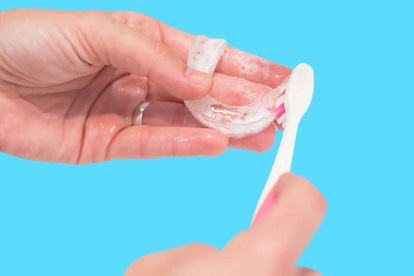
Every time you remove your aligners - especially first thing in the morning and before bed - rinse them under lukewarm water. Never use hot water; it can warp the plastic and ruin the fit. Use a soft-bristled toothbrush and a small amount of clear, unscented soap to gently scrub both the inner and outer surfaces. Avoid coloured or scented soaps, as these can stain and leave residue.
After Meals
Remove your aligners before every meal or snack. Before putting them back in, rinse your mouth and ideally brush your teeth. If brushing is not possible - say, during a work lunch - at least rinse thoroughly. Slipping aligners over unbrushed teeth is one of the most common mistakes patients make, and it accelerates bacterial buildup considerably.
What to Avoid
Steer clear of toothpaste for cleaning aligners. Most toothpastes contain abrasives that scratch the plastic surface, making it cloudy and more prone to bacterial adhesion. Similarly, avoid mouthwash that contains alcohol - it can degrade the material over time. If you want a deeper clean, aligner-specific cleaning tablets or crystals (like those made by Invisalign) dissolved in water work very well once or twice a week.
Storage and Handling: Protecting Your Investment
A surprising number of aligner problems - lost trays, cracked trays, damaged trays - come down to how people handle them when they are not wearing them.
Always Use the Case
Your dentist will provide a case for a reason. Wrapping aligners in a tissue or napkin and setting them on a restaurant table is practically a guarantee they will get thrown away by a well-meaning family member. The case keeps them clean, protected, and - most importantly - easy to find. Make it a non-negotiable habit: aligners are either in your mouth or in their case.
Keep Them Away from Heat
Do not leave aligners in a hot car, near a stove, or in direct sunlight. Even brief exposure to high temperatures can distort the shape enough to affect how well they fit, which directly impacts treatment progress. Distorted aligners should be reported to your dentist promptly - do not try to force them back into shape yourself.
Weighing the Cost Against the Commitment
One of the most practical questions patients ask is whether the expense is justified relative to traditional orthodontics. The answer depends on a combination of clinical factors and personal priorities. Clear aligner treatment often costs more than metal braces in India, but the benefits - aesthetics, comfort, the ability to eat freely, easier oral hygiene - carry real value for many people. If you are exploring your options in central India,
researching the Cost of clear aligners in Bharat Nagar can give you a realistic sense of what to budget for.
Treatment duration also varies. Some cases resolve in six months; others take eighteen months or longer. Ask your dentist for a realistic timeline upfront, and factor that into your decision. The Clear aligner treatment cost should always be evaluated alongside the full scope of your case and the experience of the clinic providing it - not just as a standalone number.
Conclusion: Small Habits, Big Outcomes
Maintaining clear aligners properly is not complicated, but it does require mindfulness every single day. Clean them consistently, store them correctly, and keep up with your dental check-ins - these three things form the backbone of a successful treatment experience. The effort you put into caring for your aligners directly reflects in your results. If you are still deciding whether clear aligners are the right choice for you, or if you are ready to start your journey, consulting a trusted dental professional is always the wisest first step. Book a consultation with a specialist who will guide you through every decision with clarity and care.
Frequently Asked Questions
How many hours a day should I wear my clear aligners?
Most orthodontists recommend wearing your aligners for 20 to 22 hours per day. They should only be removed for eating, drinking anything other than water, and for your cleaning routine. Consistently falling below this threshold will slow your treatment progress and may require additional trays to compensate.
Can I drink water while wearing my aligners?
Yes, plain water is perfectly fine while your aligners are in. However, you should remove them before consuming any hot, sweet, or coloured beverages - including tea, coffee, and juices. These can stain the trays and, in the case of sugary drinks, promote bacterial growth around your teeth and gums.
What should I do if I lose or crack an aligner tray?
Contact your dentist as soon as possible. In the meantime, wear your previous set of trays to maintain the progress you have made, rather than skipping to the next set. Your dentist will advise whether a replacement is needed or whether it is appropriate to move forward with the next tray in your sequence.
Is it normal for aligners to smell even after cleaning?
A mild odour can develop if aligners are not cleaned thoroughly or are left out of the case for extended periods. If regular cleaning with clear soap and a soft brush does not resolve it, try soaking them in aligner cleaning crystals for the recommended time. Persistent or strong odours may warrant a check with your dentist to rule out any underlying oral health issue.
How do I know if clear aligners are the right treatment for me?
The best way to find out is through an in-person consultation with a qualified orthodontist or dentist who can examine your teeth, take X-rays if needed, and map out a treatment plan specific to your case. Aligners work wonderfully for a wide range of patients, but a professional assessment is the only reliable way to confirm suitability and set realistic expectations for your outcome.
Source: https://medium.com/
