How to Choose the Right Wooden Shoe Tree for Leather Footwear?
Author : HitokaCece HitokaCece | Published On : 26 Aug 2026
Introduction
In my years working in the footwear accessories industry, I have seen too many pairs of expensive leather shoes ruined simply because the owner did not use a proper wooden shoe tree. Leather is a natural material that absorbs moisture from your feet, and without proper care, it will crack, lose its shape, and develop unpleasant odors. A quality wooden shoe tree is not an accessory—it is an essential tool for protecting your investment in footwear. Wooden shoe trees (typically cedar or beech) absorb moisture and odor while maintaining shape. Let me share what I have learned about choosing the right wooden shoe tree for leather footwear.
Choosing the Right Wood for Wooden Shoe Trees: Cedar vs Beech
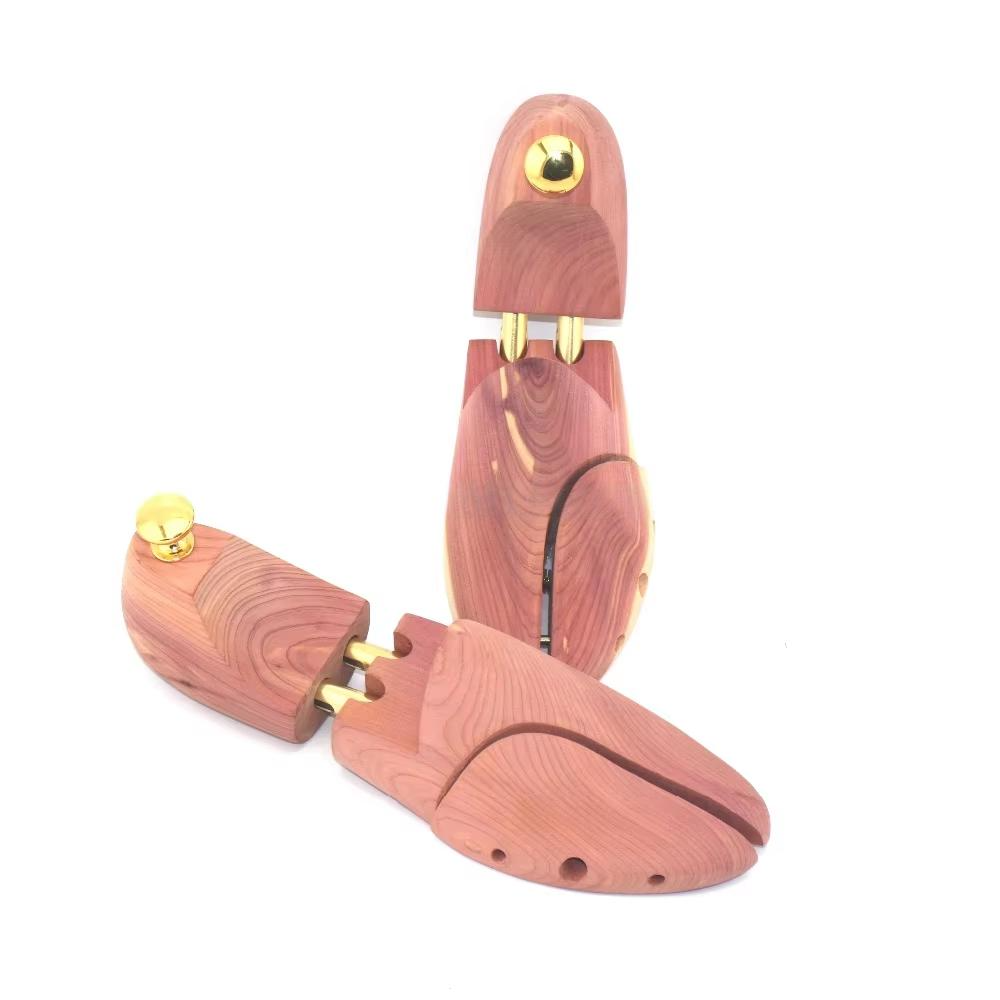
When it comes to wooden shoe trees, the choice of wood is critical. Cedar shoe trees are the gold standard for shoe preservation. Cedar naturally absorbs moisture and deodorizes shoes, helping to keep them fresh and preventing the leather from cracking. It also produces its own natural oils that help ward off moths and other pests. Cedar is available in spring-loaded and split-toe designs that conform to the shoe‘s shape while providing gentle, consistent pressure. Beech shoe trees offer a cost-effective alternative that still provides essential moisture absorption and shape retention. Raw beech is a good alternative if you are looking for a balance between effectiveness and budget. While beech lacks cedar‘s natural aromatic and antimicrobial properties, it remains a durable and effective choice for everyday shoe care. The choice between cedar and beech often comes down to budget and the specific needs of the footwear being protected.
Proper Sizing and Fit for Wooden Shoe Trees
Even the finest wooden shoe tree will not protect your shoes if it does not fit properly. A correctly sized shoe tree should fill the shoe without stretching it excessively. Most quality wooden shoe trees are adjustable, featuring a spring-loaded mechanism that allows the tree to conform to the shoe‘s shape while providing gentle, consistent pressure. Shoe trees come in sizes S, M, L, and XL, and they need to fit snugly without forcing the shoe open. A tree that is too small won‘t prevent creasing; one that is too large will stretch the leather permanently. For proper fit, the shoe tree should be inserted into the shoe when the shoe is still slightly warm and damp from wear—this allows the tree to absorb moisture and help the leather dry in its natural shape. When selecting wooden shoe trees for retail or wholesale, offering a range of sizes that correspond to standard shoe sizes is essential for customer satisfaction and effective shoe care.
Construction and Features of Quality Wooden Shoe Trees
The construction of a wooden shoe tree determines its effectiveness and durability. Quality shoe trees feature a dual mechanism that allows for both length and width adjustment, providing even tension across the entire shoe and maintaining the arch shape. Split-toe designs have a hinged front that adjusts to different toe box widths, making them more versatile for different shoe styles. Full-length trees provide uniform support and are better if you own multiple pairs of the exact same shoe. The heel cup should grip snugly without pinching, and the handle should be substantial enough to grip comfortably. Look for reinforced wood or metal handles rather than thin plastic. A well-constructed wooden shoe tree will serve your footwear for decades, making it a wise investment for any shoe care routine.
Conclusion
Choosing the right wooden shoe tree for leather footwear requires understanding the benefits of different wood types—cedar for superior moisture absorption and natural antimicrobial properties, and beech as a cost-effective alternative—ensuring proper sizing to prevent damage and maximize effectiveness, and evaluating construction features such as dual adjustment mechanisms and durable handles. By focusing on these factors, retailers, buyers, and footwear enthusiasts can select wooden shoe trees that deliver lasting protection and value for their leather footwear.
