How to Choose the Right Wooden Shoe Tree for Leather Footwear?
Author : HitokaCece HitokaCece | Published On : 14 Aug 2026
Introduction
In my years working in the footwear accessories industry, I have seen too many pairs of expensive leather shoes ruined simply because the owner did not use a proper wooden shoe tree. Leather is a natural material that absorbs moisture from your feet, and without proper care, it will crack, lose its shape, and develop unpleasant odors. A quality wooden shoe tree is not an accessory—it is an essential tool for protecting your investment in footwear. The global market for shoe care products continues to grow as consumers become more aware of the value of proper shoe maintenance. Let me share what I have learned about choosing the right wooden shoe tree for leather footwear.
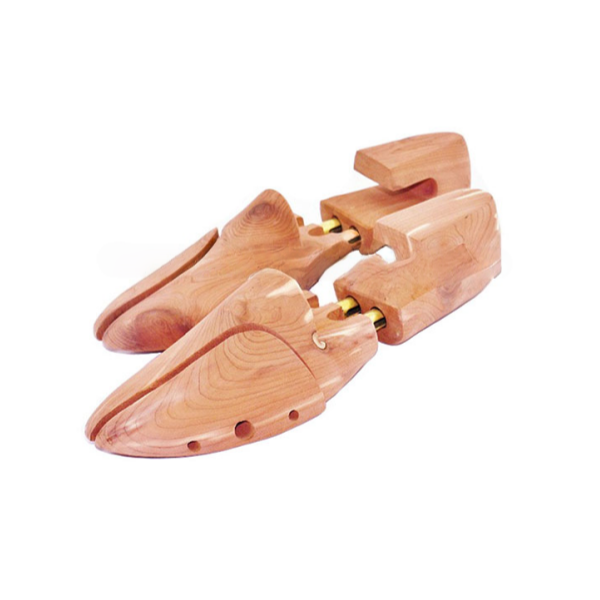
Cedar Shoe Trees for Moisture Absorption and Odor Control
When it comes to wooden shoe trees, cedar is the gold standard. Cedar shoe trees are crafted from aromatic red cedar, a wood that naturally absorbs moisture and helps keep shoes fresh and prevents the leather from cracking. The cedarwood naturally deodorizes and refreshes, absorbing moisture and eliminating odors while preventing leather damage and prolonging shoe lifespan. Cedar also produces its own oil, thujaplicin, which wards off moths and other pests. The dual ventilation slots in many cedar shoe tree designs optimize airflow, preventing odor buildup and preserving shoe integrity. For anyone serious about protecting their leather footwear, cedar shoe trees are the investment that pays for itself.
Beech Shoe Trees as a Cost-Effective Alternative
While cedar is the premium choice, beech shoe trees offer a compelling alternative for those seeking a balance between effectiveness and budget. Beech wood is highly resistant to rot and tolerant of moisture, making it a durable choice for shoe care. Beech shoe trees provide the essential function of maintaining shoe shape and absorbing moisture from the leather. However, beech lacks the aromatic and antimicrobial properties of cedar—it does not release the natural oils that combat odor-causing bacteria. For consumers who prioritize the structural benefits of shoe trees over the additional odor-control features, beech represents a solid, value-oriented option. The choice between cedar and beech often comes down to budget and the specific needs of the footwear being protected.
Proper Sizing and Fit for Wooden Shoe Trees
Even the finest wooden shoe tree will not protect your shoes if it does not fit properly. An correctly sized shoe tree should fill the shoe without stretching it excessively. Most quality wooden shoe trees are adjustable, featuring a spring-loaded mechanism that allows the tree to conform to the shoe‘s shape while providing gentle, consistent pressure. For proper fit, the shoe tree should be inserted into the shoe when the shoe is still slightly warm and damp from wear—this allows the tree to absorb moisture and help the leather dry in its natural shape. When selecting wooden shoe trees for retail or wholesale, offering a range of sizes that correspond to standard shoe sizes is essential for customer satisfaction and effective shoe care.
Conclusion
Choosing the right wooden shoe tree for leather footwear requires understanding the benefits of different wood types and the importance of proper sizing. Cedar shoe trees offer superior moisture absorption, natural odor control, and antimicrobial properties that make them the gold standard. Beech shoe trees provide a cost-effective alternative that delivers the essential structural benefits without the aromatic features. And proper sizing ensures that the shoe tree provides effective protection without damaging the footwear. By understanding these factors, retailers, buyers, and footwear enthusiasts can select wooden shoe trees that deliver lasting protection and value.
