How to Choose the Right Water Treatment System in Malaysia
Author : Switch Flow Sdn Bhd | Published On : 08 Oct 2026
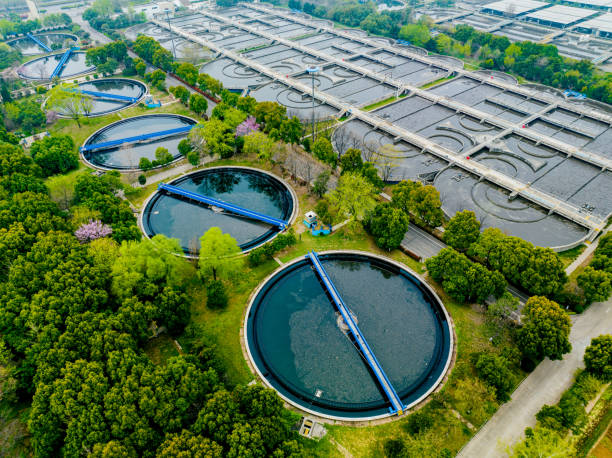
Water is an essential resource for industrial, commercial, manufacturing, hospitality, agricultural, and other business operations. However, the quality of available water can vary depending on its source, intended use, and environmental conditions.
For businesses, choosing the right treatment solution is important for maintaining water quality, protecting equipment, supporting operational efficiency, and managing environmental responsibilities.
A suitable water treatment system Malaysia solution should be selected based on the specific characteristics of the water, the requirements of the facility, treatment objectives, available space, and long-term operational needs.
Rather than choosing a system based only on equipment type or initial cost, businesses should look at the complete treatment process and how well it fits their operations.
🌊 What Is a Water Treatment System?
A water treatment system uses different physical, chemical, or biological processes to improve water quality for a specific purpose.
The treatment method depends largely on the source and quality of the water and what the treated water will be used for.
For example, some facilities may require potable water treatment, while industrial operations may need demineralized water, ultra-pure water, process water, or wastewater treatment.
🏭 Common Water Treatment Applications
Different industries have different water requirements. A system designed for one facility may not be suitable for another.
Common applications include:
-
Industrial process water treatment
-
Potable and clear water treatment
-
Wastewater and effluent treatment
-
Demineralized and ultra-pure water treatment
-
Water recycling and reuse
Understanding the intended application should therefore be the first step when planning a treatment system.
🔍 Start by Understanding Your Water Quality
Before selecting treatment equipment, businesses should understand the characteristics of the water that needs to be treated.
Water testing can provide useful information about contaminants, minerals, suspended solids, hardness, organic matter, and other characteristics.
The results can help engineers determine which treatment processes are appropriate.
🧪 Conduct a Water Quality Assessment
A proper assessment helps identify the actual treatment requirements instead of relying on assumptions.
Depending on the application, businesses may need to evaluate parameters such as:
-
pH and turbidity
-
Hardness and dissolved minerals
-
Suspended solids
-
Organic contaminants
-
Microbiological characteristics
The required testing parameters will depend on the water source and intended application.
⚙️ Determine the Purpose of the Treated Water
The intended use of treated water is one of the most important factors when selecting a system.
Water used for general cleaning does not necessarily require the same treatment level as water used in sensitive industrial processes.
Similarly, wastewater intended for discharge may have different treatment requirements from water intended for reuse.
💧 Match Treatment to the Application
Businesses should clearly define what the treated water needs to achieve.
For example, an industrial facility may require a combination of filtration, membrane treatment, chemical treatment, or other technologies depending on its process requirements.
Switch Flow provides solutions covering clear water treatment, wastewater treatment, demineralized water, ultra-pure water, potable water, and water recycling applications.
🧰 Consider Different Water Treatment Technologies
There is no single technology that is suitable for every water treatment requirement.
Different technologies address different water quality challenges. In many applications, several treatment stages are combined to achieve the required result.
🪨 Filtration Systems
Filtration can be used to remove suspended particles and other unwanted materials from water.
Depending on the application, systems may include multimedia filters, self-cleaning filters, iron removal filters, or cartridge filters.
🧬 Membrane Treatment
Membrane technology can provide more advanced separation of contaminants from water.
Reverse osmosis, ultrafiltration, and other membrane technologies can be considered depending on the quality requirements and characteristics of the water.
Reverse osmosis can be particularly useful where dissolved substances need to be reduced to achieve a higher level of water purity.
⚡ Ion Exchange
Ion exchange systems can help manage specific dissolved ions in water.
Water softeners, mixed-bed exchangers, and electrodeionization systems are examples of technologies that may be considered for applications requiring controlled mineral or ionic content.
📊 Consider Water Treatment Capacity
The capacity of a treatment system is another important consideration.
A system needs to handle the amount of water required by the facility without creating unnecessary operational limitations.
Businesses should consider current consumption as well as potential changes in production or facility usage.
📈 Plan for Future Requirements
Selecting a system based only on today's requirements can create challenges when the business expands.
Future production increases, additional equipment, new processes, or higher water demand may require additional treatment capacity.
Planning ahead can help businesses avoid premature system replacement or costly modifications.
🏢 Consider Your Available Space
The physical layout of a facility can influence the type and configuration of a water treatment system.
Businesses should evaluate the available installation area, equipment access, piping requirements, electrical connections, drainage, and maintenance access.
A technically effective system may still be impractical if it cannot be properly integrated into the facility.
📐 Think About Installation and Accessibility
Maintenance access should be considered during the design stage.
Operators and technicians need sufficient space to inspect equipment, replace filters, service pumps, maintain membranes, and perform other necessary tasks.
Good system design should balance treatment performance with practical installation and maintenance requirements.
🌱 Evaluate Efficiency and Sustainability
Modern businesses are increasingly focused on reducing water consumption, minimizing waste, and improving resource efficiency.
A well-designed treatment system can contribute to these objectives by improving water quality and, where technically appropriate, supporting water reuse.
♻️ Consider Water Recycling
Water recycling can help industries reduce their dependence on fresh water and minimize wastewater discharge.
The appropriate recycling process depends on the quality of the source water and the quality required for reuse.
Switch Flow provides water recycling treatment solutions aimed at helping industries address water consumption, wastewater discharge, and resource management challenges.
💰 Look Beyond the Initial Cost
Price is naturally an important consideration when investing in a water treatment system.
However, choosing the cheapest system may not always result in the lowest overall cost.
Businesses should consider the total cost of ownership, including installation, energy consumption, chemicals, replacement parts, maintenance, monitoring, and potential upgrades.
📋 Consider Long-Term Operating Costs
A system with a higher initial investment may sometimes provide better long-term value if it delivers reliable performance and manageable operating costs.
Businesses should therefore compare solutions based on performance, efficiency, durability, maintenance requirements, and expected service life.
🛠️ Think About Maintenance and Technical Support
Water treatment systems require ongoing attention to maintain consistent performance.
Filters may need replacement, membranes may require cleaning, pumps may need servicing, and treatment processes may need periodic monitoring.
🔧 Choose a Provider That Offers Support
Technical support can become especially important when a system experiences reduced performance or operational problems.
Businesses should consider whether the provider can assist with installation, commissioning, troubleshooting, maintenance, upgrades, and other technical requirements.
Switch Flow states that it provides design, build, consultation, troubleshooting, plant upgrades, maintenance-related services, and operational support for water treatment systems.
📜 Consider Regulatory and Environmental Requirements
Businesses operating water treatment systems should also consider applicable environmental and regulatory requirements.
The specific requirements will depend on factors such as the industry, location, type of treatment system, water source, and whether the water is being discharged or reused.
A suitable treatment solution should therefore take regulatory considerations into account during the planning and design stages.
🌍 Support Responsible Water Management
Proper water treatment can help businesses manage pollutants, protect water resources, and improve environmental performance.
For industrial operations, this can be particularly important where wastewater and effluent are generated as part of daily production.
🤝 Choose an Experienced Water Treatment Partner
Selecting the right technology is only one part of developing a successful treatment solution.
The experience of the company designing and implementing the system can have a significant impact on its performance.
An experienced provider can evaluate water quality, understand operational requirements, recommend suitable technologies, and design a system around the facility.
🧠 Look for a Customized Approach
Every facility has different requirements.
A customized approach allows the treatment system to be designed according to water quality, flow rate, treatment objectives, available space, budget, and future requirements.
Switch Flow describes itself as a water treatment consultancy and system fabrication company established in 2002, with experience in designing and building clear water and wastewater treatment systems.
💡 Why Professional System Design Matters
A water treatment system involves more than installing individual pieces of equipment.
The filtration stages, pumps, tanks, membranes, chemical systems, controls, and other components need to work together effectively.
Professional engineering can help ensure that the different treatment stages are properly integrated.
This can contribute to more consistent treatment performance and make operation and maintenance easier.
🚰 Water Treatment System Malaysia for Different Industries
Water treatment requirements can vary significantly between industries.
Manufacturing facilities may require process water or wastewater treatment, while other businesses may require potable water, recycling systems, or specialized purification.
Switch Flow states that its solutions serve a range of industries and provides tailored water treatment systems based on specific sector requirements.
🏭 Industrial Applications
Industrial facilities often require carefully controlled water quality to support production processes and protect equipment.
Depending on the application, businesses may require filtration, membrane systems, demineralization, wastewater treatment, or recycling.
🏨 Commercial Applications
Commercial properties may have different requirements related to water quality, consumption, and wastewater management.
The treatment solution should be matched to the facility's actual water usage and operational objectives.
✅ Final Thoughts
Choosing the right water treatment system requires careful consideration of water quality, intended use, capacity, technology, space, operating costs, maintenance, sustainability, and regulatory requirements.
There is no universal solution that works for every business.
The best approach is to first understand the water quality and treatment objectives, then work with an experienced provider to develop a system suited to the facility.
A properly designed water treatment system Malaysia solution can help businesses improve water quality, support operational efficiency, manage wastewater responsibly, and make better use of valuable water resources.
