How to Choose the Right Polyester Wadding Machine for Your Production Line?
Author : HitokaCece HitokaCece | Published On : 13 Aug 2026
Introduction
Over twenty years in the nonwoven industry, I have watched countless buyers struggle with choosing a polyester wadding machine that truly fits their needs. Some go for the cheapest assembled units and end up with uneven grammage, unstable width, and a line that barely runs. Others overspend on high‑end configurations that include features they will never use. A polyester wadding machine is the heart of your entire nonwoven production – it determines the final roll quality, the range of weights you can offer, and your daily output. From a practical standpoint, I want to share what really matters when you are about to sign that purchase order.
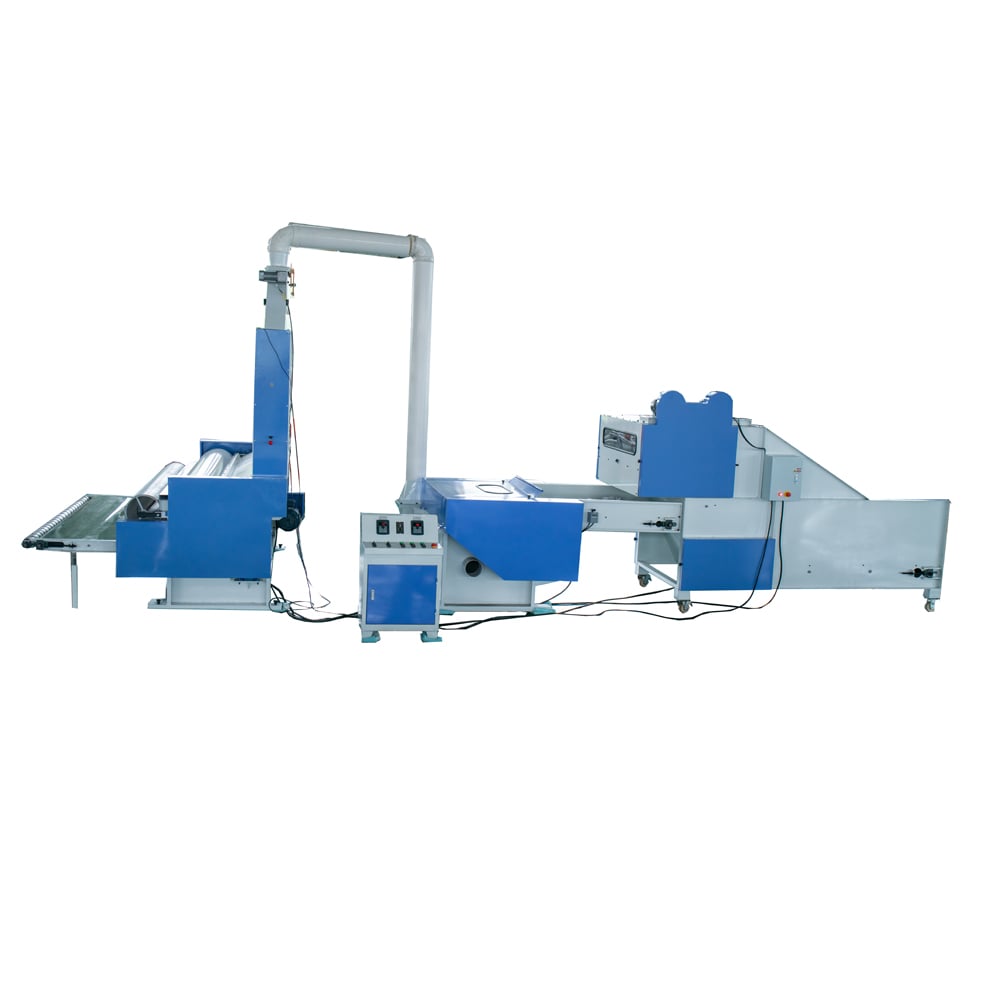
Understanding the Complete Production Process of a Polyester Wadding Machine
A polyester wadding machine does not work in isolation; it integrates a series of interdependent stages. The process begins with bale opening and blending, where compressed polyester staple fibres are loosened and mixed according to your recipe. Next comes carding, which transforms the blended fibres into a uniform web, followed by cross‑lapping that builds the web to the desired width and thickness. The core of the line is the thermal bonding oven – here, hot air melts low‑melt binder fibres, and as the material cools, it forms a strong, glue‑free wadding roll. Understanding each of these steps helps you see why the machine’s design and component quality matter so much to your end product.
Crucial Technical Parameters to Check on a Polyester Wadding Machine
When evaluating a polyester wadding machine, numbers tell the real story. Working width is the first filter – standard offerings range from 2800 mm to over 6000 mm, and your choice must match the downstream requirements of bedding, furniture, or garment padding. The machine’s grammage range is equally important; a versatile line should handle from 40 to 800 g/m² with consistent cross‑directional uniformity. Capacity, expressed in kilograms per hour, varies from 80 kg/h to 400 kg/h, so align this with your expected order volume. Also, examine the heating system – electric or gas – because this affects both running costs and environmental compliance. Never pick a machine solely on maximum numbers; select the ones that precisely fit your product portfolio.
Frequent Mistakes When Buying a Polyester Wadding Machine
In my career, I have seen three recurring errors in polyester wadding machine procurement. The first is focusing only on price while ignoring the number of opening rollers, the type of cross‑lapper, and the oven air‑flow design – these hidden features determine the durability and efficiency of the line. The second mistake is overestimating capacity: many buyers choose a larger machine than they need, leading to unnecessary energy waste and high idle time. The third is neglecting after‑sales support – a polyester wadding machine requires regular calibration and spare parts, so choose a supplier with a proven track record in technical service. Avoiding these traps can save your company both money and frustration.
Conclusion
Choosing the right polyester wadding machine is not about the flashiest brochure; it is about understanding your own production reality and matching it with the correct technical specifications. We have covered the essential process stages, the key parameters to measure, and the typical pitfalls to dodge. With this knowledge, you can approach your purchase with the confidence of an experienced manager and secure a machine that will serve your operation for many years.
