How to Choose the Right Mobile Crane for Your Construction and Mining Operations?
Author : HitokaCece HitokaCece | Published On : 13 Jul 2026
Introduction
Over the past two decades, I have watched the mobile crane industry evolve from basic mechanical lifting machines to sophisticated hydraulic systems capable of precise load handling in the most challenging environments. Today's mobile crane is no longer just a piece of equipment—it is a strategic asset that determines whether a project stays on schedule or falls behind. The numbers tell the story: the mobile crane market is projected to grow at a CAGR of 8.00% through 2034, driven by increasing demand for urban infrastructure, smart city investments, and the rising adoption of rental equipment. Having worked with contractors and mining operators across dozens of countries, I have seen what separates a successful equipment investment from a costly mistake. In this article, I want to share the lessons I have learned about selecting mobile cranes, so you can avoid the pitfalls that too many project managers encounter.
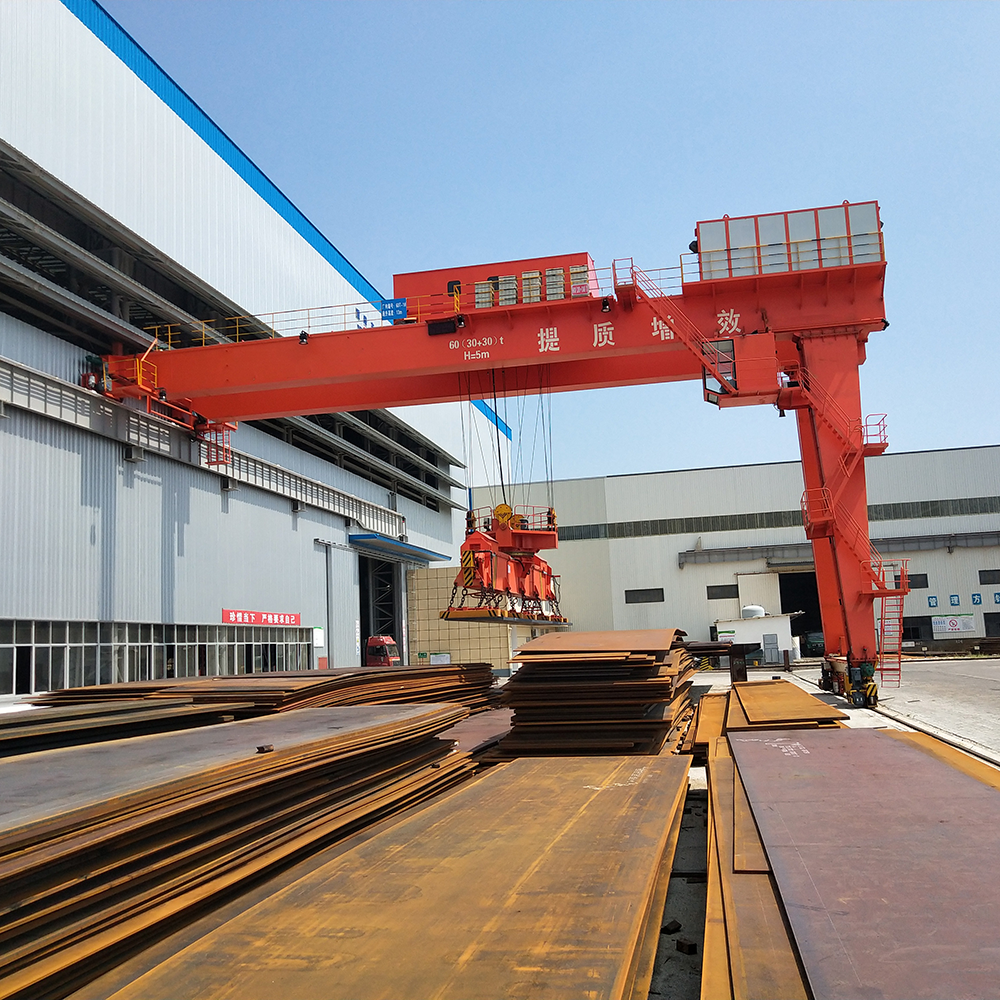
Mobile Crane Lifting Capacity and Application Matching
The foundation of any smart mobile crane purchase is matching the equipment's lifting capacity to your actual operational needs. This sounds obvious, yet I have seen countless projects suffer because the crane was either undersized—leading to dangerous overloading and equipment failure—or oversized, resulting in unnecessary capital expenditure and operational inefficiency. When evaluating mobile crane options, start by analyzing your typical load weights, lift heights, and reach requirements. A crane with a 10-ton capacity in an ultra-compact footprint of just 1.5 meters in width can access tight spaces that larger machines cannot. For mining operations and remote sites, rough terrain mobile cranes offer the durability and stability needed for uneven ground conditions. The key is to look beyond the brochure specifications and conduct a thorough site assessment. Consider the full range of lifting tasks your operation will perform—not just the heaviest lift but also the frequency of lifts, the distances involved, and the environmental conditions. A crane that is perfectly suited for 90% of your tasks but struggles with the remaining 10% may still be the right choice if you can supplement it with rental equipment for those exceptional cases.
Mobile Crane Mobility and Site Adaptability
Mobility is what defines a mobile crane, and it is also where many buyers make costly errors. The ability to deploy, reposition, and redeploy equipment quickly is essential for project efficiency. For construction sites with confined spaces, spider cranes with retractable legs and booms offer an ultra-compact design that can access standard doorways and elevators. These machines resemble spiders in appearance and are ideal for indoor renovations, equipment installation, and bridge maintenance where larger cranes simply cannot operate. For outdoor applications, rough terrain mobile cranes provide the ground clearance and traction needed for unpaved construction sites and mining operations. When evaluating mobility, consider not just the crane's travel speed but also its turning radius, the time required for setup and teardown, and the availability of spare parts and service support in your region. I have worked with operators who saved weeks of project time simply by choosing a crane that could be repositioned quickly between work zones. In the construction and mining industries, time is money, and mobility directly translates to productivity.
Mobile Crane Safety Standards and Certification
Safety is non-negotiable in lifting operations, yet it is an area where many procurement decisions fall short. A mobile crane is only as safe as its design, manufacturing quality, and maintenance regime. When evaluating suppliers, look for equipment built to FEM and DIN standards with full CE and UDT certification. These certifications are not just paperwork—they represent rigorous testing and compliance with international safety requirements. Critical safety features to examine include overload protection systems that automatically stop lifting when the weight exceeds rated capacity, emergency stop functions, anti-two-block devices, and load moment indicators. For operations in hazardous environments, explosion-proof configurations may be necessary. Beyond the equipment itself, consider the supplier's commitment to safety through comprehensive documentation, operator training programs, and after-sales support. I have seen too many projects compromised by equipment that met the minimum standards on paper but failed in the field because safety features were poorly implemented or maintenance was neglected. A supplier that prioritizes safety throughout the design and manufacturing process is a partner you can trust with your most valuable assets—your people and your projects.
Conclusion
Choosing the right mobile crane is one of the most consequential equipment decisions you will make for your construction or mining operations. The crane you select will directly impact your project timelines, operational costs, and safety record. By evaluating equipment against the three criteria I have outlined—lifting capacity matching, mobility and site adaptability, and safety standards—you can make a decision that serves your operation for years to come. In an industry where margins are tight and safety is paramount, partnering with a manufacturer who has the engineering expertise, manufacturing infrastructure, and commitment to quality is not just a smart business decision; it is an essential one.
