How to Choose the Right Hard Hat for Construction and Industrial Workplace Safety?
Author : HitokaCece HitokaCece | Published On : 12 Aug 2026
Introduction
Over the years in the PPE manufacturing industry, I have seen too many workplace head injuries that could have been prevented with the right hard hat. Head injuries remain one of the leading causes of workplace fatalities in construction and industrial settings—and in many cases, the hard hat worn by the worker was either inadequate for the hazard or worn incorrectly. The right hard hat, however, delivers reliable protection against falling objects, electrical shocks, and impact injuries while providing the comfort that keeps workers wearing it all day. With the ANSI Z89.1 standard currently under revision and a new edition expected soon, staying informed about head protection standards has never been more critical [1†L22-L23]. Having worked with safety managers and procurement professionals across multiple industries, I have learned what separates a successful hard hat investment from a costly oversight. In this article, I want to share those lessons with you.
Hard Hat Impact Protection and Certification Standards
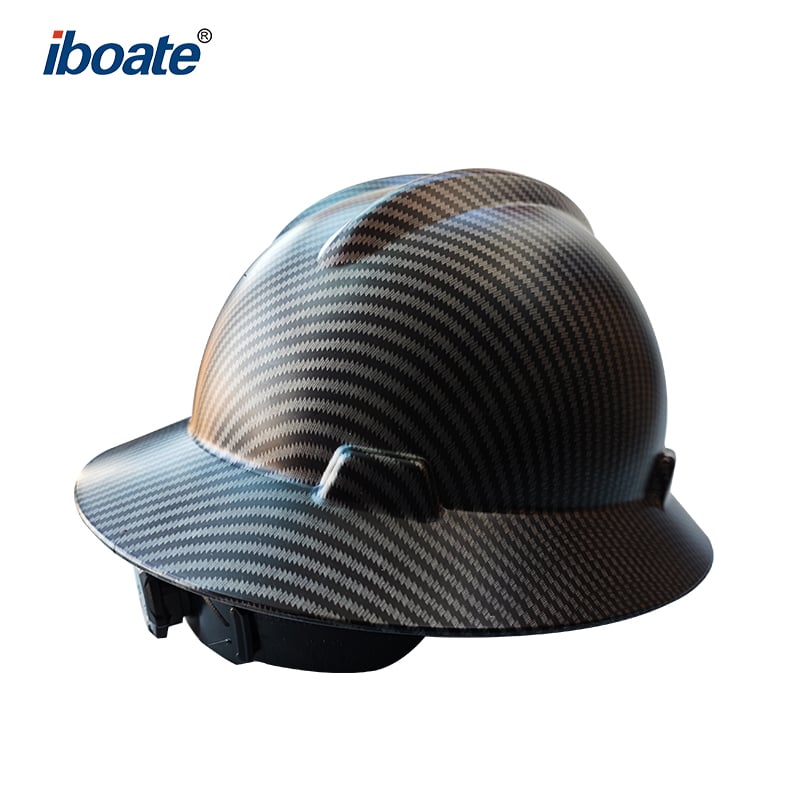
The foundation of any smart hard hat selection is understanding impact protection requirements and certification standards. Hard hats are designed to protect against falling objects and impact hazards, and different work environments require different levels of protection. In the United States, ANSI Z89.1 establishes the standard for industrial head protection, defining different types and classes of protective helmets [1†L20-L21]. Type 1 hard hats provide protection against impact to the top of the head, while Type 2 hard hats also protect against lateral impact from the front, back, and sides [1†L32-L33]. The forthcoming 2025 revision is expected to provide added protection for both Type I and Type II hard hats, including chin strap requirements and enhanced energy absorption testing [1†L10-L13]. In Europe, EN 397 specifies requirements for industrial safety helmets, primarily providing protection against falling objects [2†L6-L8]. The new EN 397:2025 standard introduces two helmet types with different performance requirements, and the 440V electrical properties option has been removed [2†L10-L13]. Many helmets meet multiple regional standards simultaneously. Head protection that meets ANSI/ISEA Z89.1 also complies with OSHA regulations [1†L43-L44]. When evaluating hard hat options, consider the specific impact hazards of your work environment and choose helmets certified to the appropriate standard.
Hard Hat Electrical Hazard Ratings and Classification
Beyond impact protection, hard hats are classified by their electrical hazard protection capabilities. Class G (General) hard hats are tested to withstand 2,200 volts, providing protection against electrical shock from low-voltage conductors [1†L34]. Class E (Electrical) hard hats offer the highest level of electrical protection, tested to withstand 20,000 volts—making them essential for electrical workers and those working near high-voltage lines [1†L34-L35]. Class C (Conductive) hard hats provide no electrical protection and are designed for environments where electrical hazards are not a concern. When selecting hard hats, the electrical hazard rating must match the risks present in your workplace. For electrical utility workers, linemen, and anyone working near energized equipment, Class E hard hats are non-negotiable. For general construction sites where overhead power lines are present but direct contact is unlikely, Class G may provide adequate protection. Hard hats must be marked to indicate the manufacturer, date of manufacture, ANSI designation, applicable type and class designations, and head size range [1†L37-L39]. I have worked with safety managers who overlooked electrical ratings and exposed workers to unnecessary risks. Understanding the classification system is essential for matching the hard hat to the hazard.
Hard Hat Comfort, Fit, and Worker Compliance
The third critical factor in hard hat selection is comfort, fit, and the resulting worker compliance. A hard hat that is uncomfortable will be worn incorrectly—or not at all. The suspension system is the key to comfort. Look for hard hats with adjustable suspension systems that allow workers to customize the fit for their head size and shape. The suspension also provides the critical spacing between the shell and the head, which absorbs impact energy. A six-point suspension system distributes weight more evenly than a four-point system, reducing pressure points during extended wear. The choice between full-brim and cap-style hard hats also affects comfort and protection. Full-brim hard hats provide additional sun and rain protection for outdoor workers, while cap-style hard hats are lighter and better suited for confined spaces. When workers are comfortable, they keep their hard hats on—and that is when protection works. The retention system effectiveness and roll-off protection are critical considerations, particularly with the upcoming ANSI standard changes [1†L12]. I have worked with safety managers who invested in premium hard hats with advanced suspension systems and saw worker compliance improve significantly.
Conclusion
Choosing the right hard hat requires careful attention to impact protection and certification standards that ensure compliance with ANSI Z89.1 or EN 397, electrical hazard ratings that match workplace risks through Class G, E, and C classifications, and comfort and fit features that drive worker compliance and all-day wear. By selecting hard hats that meet the right standards, provide appropriate electrical protection, and keep workers comfortable, safety managers and procurement professionals can protect their most valuable asset—their workforce. In an industry where head injuries can be fatal, the right hard hat is not just a piece of equipment—it is a lifeline.
