How to Choose the Right Friction Brake Material for Your Application
Author : protec friction | Published On : 24 Oct 2026
Choosing the right friction brake material requires evaluating application requirements, heat resistance, friction coefficient, wear resistance, and system compatibility. Comparing material types and maintenance needs helps ensure reliable braking performance, improved safety, longer component life, and reduced long-term operating costs.
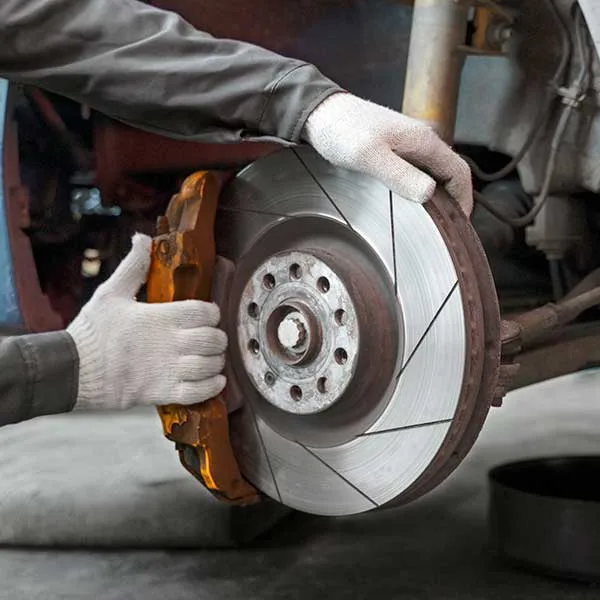
Selecting the right braking component is essential for ensuring safety, durability, and reliable performance in industrial machinery and automotive systems. Choosing the appropriate Friction Brake Material helps maintain consistent stopping power, manage heat, and reduce wear. Understanding your application's operating conditions and performance requirements makes it easier to identify a solution that delivers long-term value.
1. Understand Your Application Requirements
Start by evaluating where and how the braking system will operate. Automotive brakes, industrial machinery, elevators, and heavy-duty equipment have different braking demands. Consider the load, operating speed, frequency of braking, and environmental conditions.
For example, heavy machinery may require materials that withstand high pressure and repeated braking cycles, while lighter applications may prioritize smooth engagement and minimal noise. Defining these requirements helps narrow down suitable material options.
2. Evaluate Heat Resistance and Thermal Stability
Heat generation is one of the most important factors in brake performance. Repeated braking can produce high temperatures that affect friction levels, cause premature wear, and reduce stopping efficiency.
Choose a material that maintains stable friction under the expected operating temperatures. Materials with suitable thermal resistance can help minimize brake fade and support consistent performance during demanding operations. Proper heat dissipation is particularly important in high-speed and heavy-load applications.
3. Consider Friction Coefficient and Wear Resistance
The friction coefficient determines how effectively a braking surface generates resistance when pressed against another surface. However, a higher coefficient is not always better. The ideal value depends on the system's design, required stopping force, and operating conditions.
When evaluating a Material for Brake Lining, consider its wear resistance, compatibility with the brake disc or drum, and ability to maintain consistent friction over time. A well-matched material can reduce maintenance requirements, extend component life, and provide dependable braking performance.
4. Compare Different Material Types
Brake materials generally include organic, semi-metallic, metallic, and ceramic-based formulations. Organic materials may offer quieter operation, while semi-metallic options can provide a balance of durability and heat management. Metallic formulations are often suitable for demanding industrial environments, depending on the application. Ceramic-based materials may offer stable performance and reduced noise in certain systems.
Each option has advantages and limitations. Compare operating temperature ranges, pressure requirements, noise levels, wear characteristics, and overall cost before making a decision.
5. Check Compatibility and Maintenance Needs
Even a high-quality friction material may perform poorly if it is incompatible with the braking system. Check manufacturer specifications, installation requirements, and applicable safety standards. Consider the availability of replacement parts and the expected inspection schedule.
Selecting the right friction brake material should involve evaluating the complete braking assembly rather than focusing on one component alone. Testing under realistic operating conditions can also help confirm suitability before full-scale implementation.
Conclusion
Choosing the right brake material requires careful consideration of operating conditions, thermal stability, friction characteristics, durability, and compatibility. A properly selected friction brake material can improve reliability, support safer operation, and reduce long-term maintenance costs.
Get Expert Guidance
Looking for a dependable braking solution for your application? Contact an Experienced Friction-Material Supplier to discuss your performance requirements, compare available options, and identify a suitable solution for your equipment. Call Now (914-244-3600) to find the right braking solution for your needs.
