How to Choose the Right Foundation for Different Skin Types?
Author : HitokaCece HitokaCece | Published On : 13 Aug 2026
Introduction
In the world of cosmetic product development, few categories are as technically demanding as foundation. I have spent years working with formulations, and I can tell you that the difference between a foundation that consumers love and one that gathers dust on shelves often comes down to one factor: matching the product to the skin type it is meant for. The global foundation market continues to grow, with consumers demanding products that not only provide coverage but also care for their skin. Choosing the right foundation for different skin types requires understanding the complex interplay of pigments, emollients, film-formers, and skin-conditioning agents. Let me share what I have learned about developing foundations that deliver performance and consumer satisfaction.
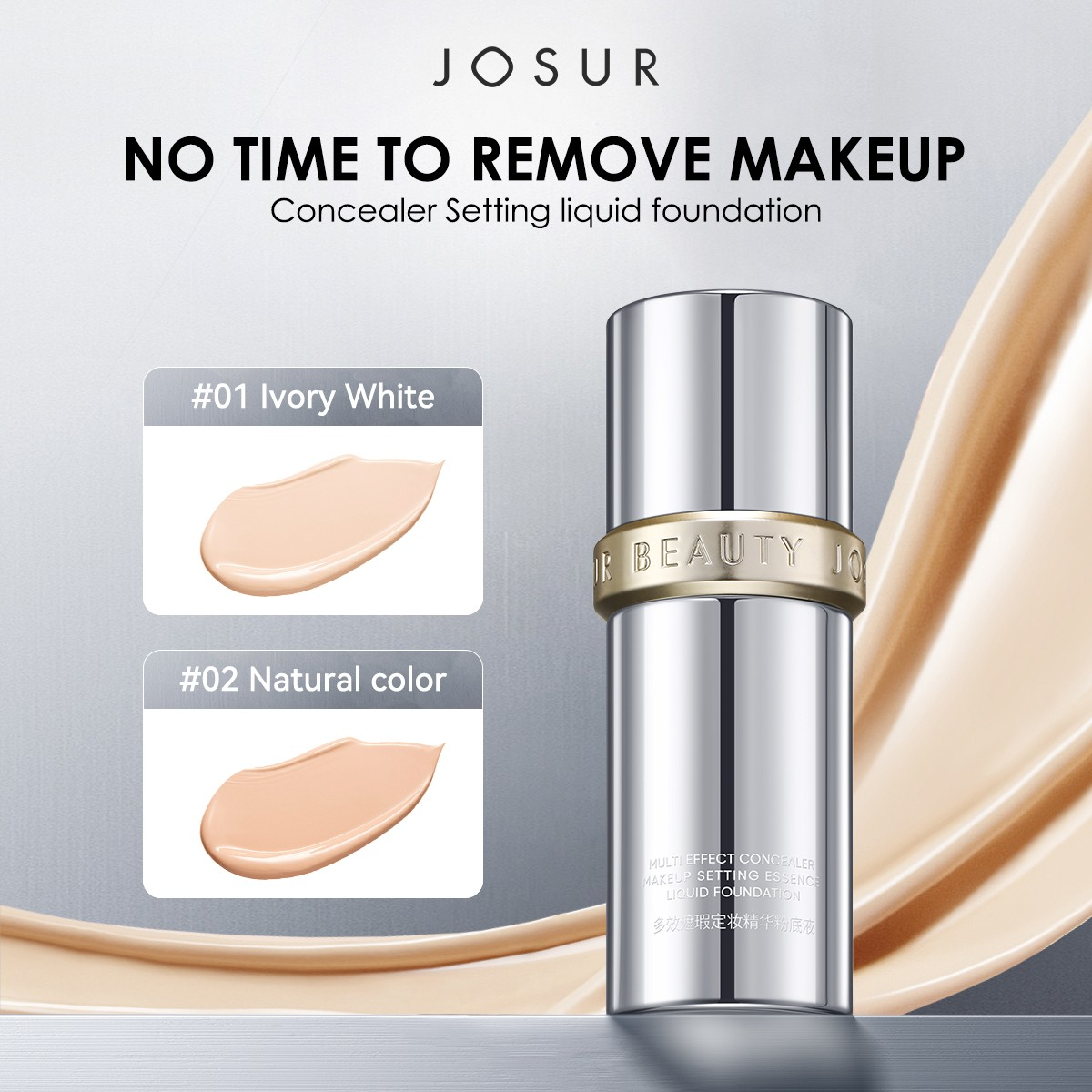
Formulating Foundation for Oily and Acne-Prone Skin
When developing foundation for oily and acne-prone skin, the priority is controlling shine without causing breakouts. Oil-free formulations using lightweight esters and volatile silicones provide a smooth application while minimizing the risk of pore-clogging. Mattifying powders such as silica, nylon-12, and polymethyl methacrylate help absorb excess sebum throughout the day. The formulation should include non-comedogenic ingredients and, where possible, skin-soothing actives such as niacinamide or zinc to address the underlying concerns of oily skin. A foundation designed for oily skin must maintain its wear characteristics without oxidizing or breaking down, providing a fresh, matte finish that lasts through the day.
Developing Foundation for Dry and Dehydrated Skin
For dry and dehydrated skin, the foundation must do more than just cover—it must hydrate. A foundation for dry skin should be enriched with humectants such as glycerin, hyaluronic acid, and propanediol to draw moisture into the skin. Emollients including squalane, caprylic/capric triglyceride, and natural oils provide a smooth, comfortable feel and prevent the foundation from settling into fine lines. The formula should have a creamy texture that glides over dry patches rather than emphasizing them. A radiant or dewy finish is often preferred for dry skin, as it helps restore a healthy, luminous appearance. The packaging should also provide adequate protection against air and light to preserve the integrity of the active ingredients.
Creating Foundation for Sensitive and Reactive Skin
Sensitive skin presents unique challenges in foundation formulation. The formula must be free from common irritants including fragrance, essential oils, and certain preservatives. The pigment system should use high-purity, well-dispersed colorants that require minimal emulsifiers. Skin-soothing ingredients such as bisabolol, allantoin, and Centella asiatica extract can help calm reactive skin while providing the desired coverage. The foundation should undergo rigorous safety testing, including dermatological and patch testing, to ensure it is suitable for sensitive consumers. A minimalist formula with a short, transparent ingredient list often appeals to consumers with sensitive skin who are looking for products that will not trigger reactions.
Conclusion
Choosing the right foundation for different skin types requires careful consideration of formulation ingredients, texture, and finish. Oil-free, mattifying formulas suit oily and acne-prone skin. Hydrating, creamy formulas with humectants and emollients address dry skin concerns. And minimalist, fragrance-free formulas with soothing ingredients serve sensitive skin. By developing foundations that are specifically tailored to different skin types, beauty brands can meet diverse consumer needs, build brand loyalty, and achieve success in the competitive foundation market.
