How to Choose the Right Fiber Optic Cable for Your Data Center and Enterprise Network?
Author : HitokaCece HitokaCece | Published On : 17 Jul 2026
Introduction
Over the years in the structured cabling industry, I have seen network engineers and IT managers struggle with one recurring challenge: selecting the right fiber optic cable for their data center and enterprise network applications. The wrong choice leads to insufficient bandwidth, signal loss, and costly network upgrades. The right choice, however, delivers high-speed data transmission, reliable connectivity, and years of dependable service. Fiber optic cables are the backbone of modern networks, enabling high-speed data transmission over long distances with minimal signal loss. Having worked with data center operators and network infrastructure professionals across multiple regions, I have learned what separates a successful fiber optic cable selection from an expensive mistake. In this article, I want to share those lessons with you.
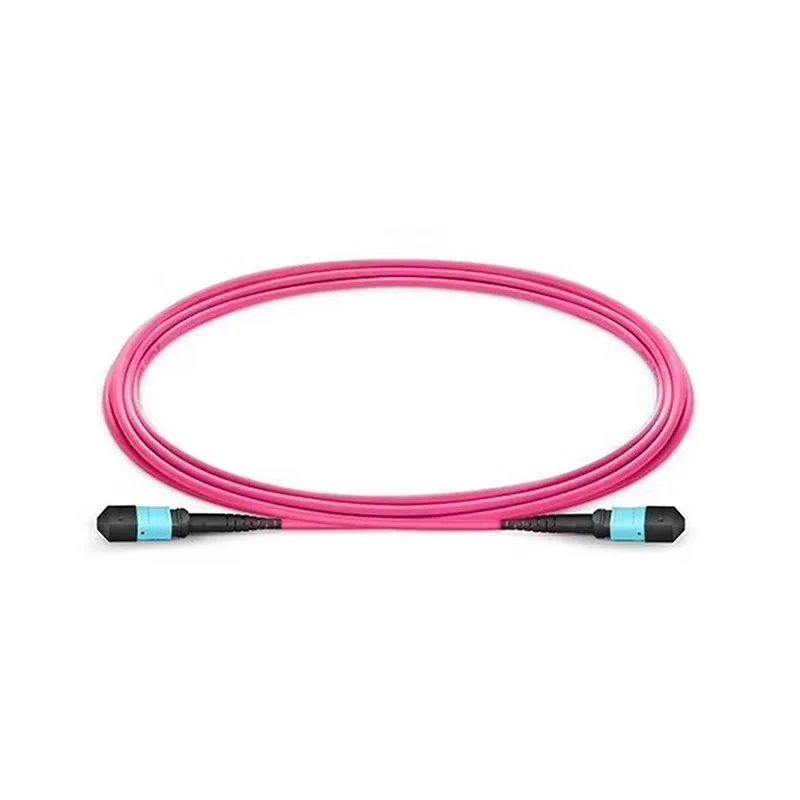
Fiber Optic Cable Single Mode vs Multi Mode Selection
The most fundamental decision in fiber optic cable selection is choosing between single-mode and multi-mode fiber. Single-mode fiber features a small core diameter that allows only one mode of light to propagate, enabling transmission over distances up to 100 kilometers or more. This makes single-mode fiber the preferred choice for long-haul networks, campus backbones, and metropolitan area networks. Multi-mode fiber, by contrast, features a larger core diameter that allows multiple modes of light to propagate, making it suitable for shorter distances—typically up to 550 meters for 10G applications and shorter for higher speeds. Multi-mode fiber is more cost-effective for data center and enterprise LAN applications where distance requirements are limited. With the increasing adoption of 40G, 100G, and 400G Ethernet, the choice between single-mode and multi-mode fiber has become even more critical. When evaluating fiber optic cable options, consider your transmission distance requirements, current and future bandwidth needs, and budget. I have worked with data center operators who chose multi-mode fiber for short-distance applications and single-mode fiber for their backbone connections, optimizing both cost and performance.
Fiber Optic Cable Indoor vs Outdoor Construction
The second critical factor in fiber optic cable selection is the cable construction and its suitability for the installation environment. Indoor fiber optic cables are designed for use within buildings, data centers, and campus environments. They feature flame-retardant jackets that meet building code requirements and are typically more flexible for easier routing through cable trays and conduits. Outdoor fiber optic cables, by contrast, are engineered to withstand harsh environmental conditions—UV exposure, moisture, temperature extremes, and physical stress. They feature robust, water-blocking constructions with gel-filled or dry water-blocking technologies to prevent moisture ingress. For FTTH/FTTB/FTTx deployment solutions, aerial drop cables to indoor optical terminations are optimized for last-mile connectivity. When selecting fiber optic cables, consider the installation environment, the distance of the cable run, and any regulatory requirements. I have worked with network engineers who specified indoor cables for outdoor runs and experienced cable degradation and signal loss within months.
Fiber Optic Cable Connector Types and Termination
The third critical factor in fiber optic cable selection is the connector type and termination method. The connector determines how the fiber optic cable interfaces with network equipment, and the wrong connector choice can lead to compatibility issues and increased insertion loss. Common connector types include LC (Lucent Connector), which features a small form factor and is widely used in data center applications; SC (Subscriber Connector), which is popular in telecom and enterprise networks; and MPO (Multi-fiber Push-On), which enables high-density connectivity by supporting multiple fibers in a single connector. For high-density cabling infrastructure supporting 40G/100G/400G migration, MPO connectors are increasingly essential. The termination method—whether factory pre-terminated or field-terminated—also affects installation time and performance. Factory pre-terminated cables offer consistent quality and faster installation, while field-terminated cables provide flexibility for custom lengths. When evaluating fiber optic cable options, consider the connector types used in your existing network equipment and the density requirements of your installation.
Conclusion
Choosing the right fiber optic cable requires careful attention to single-mode vs multi-mode fiber selection that matches your distance and bandwidth requirements, indoor vs outdoor construction that suits your installation environment and regulatory needs, and connector types and termination methods that ensure compatibility and performance. By evaluating these factors against your specific network requirements, network engineers, IT managers, and procurement professionals can select fiber optic cables that deliver reliable high-speed connectivity and long-term value. In an era where network performance drives business success, the right fiber optic cable is not just a component—it is the foundation of your digital infrastructure.
