How to Choose the Right Exterior Paint for Humid Coastal Climates
Author : Jaya Leo | Published On : 14 Oct 2026
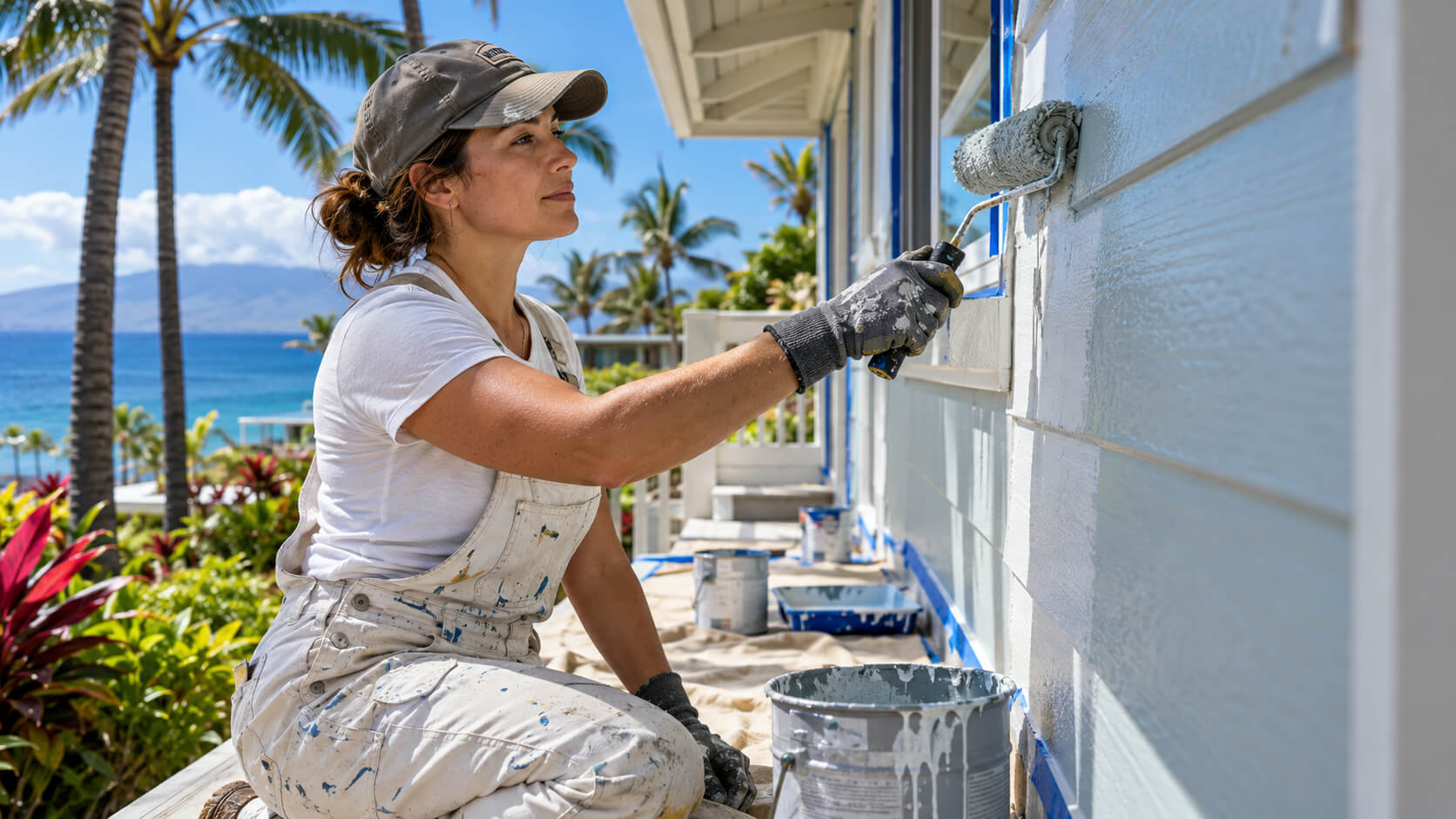
Why Coastal Homes Need a Different Painting Approach
Painting a home near the coast is not quite the same as painting one in a dry inland area. Humidity, strong sunlight, salt in the air, and frequent rain can all affect how long an exterior finish lasts.
That is why choosing the right paint is only part of the job. Surface preparation, primer, application method, and ongoing maintenance matter just as much.
Start With the Condition of the Surface
Before choosing a color or finish, take a close look at the existing surface. Peeling paint, cracks, mildew, chalking, and damaged wood should be dealt with first.
Painting over a weak surface may look fine for a short time, but the new coating can fail much sooner than expected. A good painter will usually clean the surface, remove loose paint, repair damaged areas, and allow everything to dry properly before applying primer or paint.
Choose Paint Designed for Exterior Conditions
Exterior paint should be able to handle moisture, heat, and direct sunlight. In humid areas, look for products that offer good resistance to mildew and fading.
Higher quality exterior paints often contain better binders and pigments, which can help the coating stay flexible and maintain its color longer. That can make a noticeable difference on walls that receive strong afternoon sun.
Do Not Skip Primer When It Is Needed
Primer is especially useful when the surface is bare, repaired, stained, or very porous. It helps create a more even base and improves paint adhesion.
Not every project needs a full coat of primer, but spot priming repaired areas is often a smart step. The correct approach depends on the condition and material of the surface.
Think About Color and Heat
Color choice is not only about appearance. Very dark colors can absorb more heat, while lighter shades tend to reflect more sunlight.
For homes exposed to intense sun, softer and lighter exterior colors can sometimes be easier to maintain. They may also show fading less noticeably over time.
Preparation Usually Matters More Than People Expect
One of the biggest mistakes homeowners make is focusing only on the paint brand. In reality, even excellent paint can fail if the surface was not prepared properly.
Cleaning, sanding, repairing, masking, and priming may take longer than the actual painting. It is not the most exciting part of the project, but it is usually where a lasting finish begins.
Work With Someone Who Understands Local Conditions
Local experience can be helpful because painting problems vary by climate. A painter who regularly works in humid or coastal areas is more likely to understand how moisture, salt air, and strong sunlight affect different surfaces.
For example, homeowners researching a reliable Hawaii Island Painter can benefit from choosing someone familiar with the local environment rather than relying on a one size fits all approach.
Ask the Right Questions Before Hiring
Before agreeing to a painting project, ask what preparation is included, what products will be used, how many coats are planned, and how the property will be protected during the work.
It is also worth asking how repairs, cleanup, and final touch ups will be handled. A clear written estimate can prevent confusion later.
Final Thoughts
A successful exterior paint job starts long before the first coat goes on. The condition of the surface, preparation process, primer, paint quality, and application all play a role in how the finish performs.
In humid coastal climates, a little extra care at the beginning can help the exterior stay cleaner, stronger, and better looking for longer.
