How to Choose the Right Ceramic Dinnerware for Everyday Use
Author : Ram Sawroop | Published On : 26 May 2026

Walk into any kitchen today and you’ll notice something interesting. Despite all the modern materials available, many households still reach for ceramic dinnerware when it comes to everyday meals. There’s a certain comfort in it. The weight feels balanced in the hand, the surface holds heat well, and somehow even the simplest food looks better when served on it.
But choosing the right ceramic dinnerware isn’t always straightforward. With dozens of finishes, shapes, glazes, and styles available, it can be confusing to decide what actually works for daily use rather than just occasional hosting.
If you’re thinking of upgrading your tableware or building a new set from scratch, understanding what makes good ceramic dinnerware will help you make a practical and long-lasting choice.
Why Ceramic Dinnerware Remains a Popular Choice
Ceramic has been used for centuries in kitchens across cultures, and the reasons are fairly simple. It balances durability with visual appeal in a way few other materials do.
Unlike plastic or melamine, ceramic dinnerware doesn’t feel overly lightweight or synthetic. It has a natural density that gives it stability on the table. At the same time, it’s far more versatile than glass because it can be crafted into various textures, glazes, and finishes.
Another reason many people prefer ceramic dinnerware is heat retention. Food stays warm longer compared to steel or glass plates. For dishes like curries, pasta, or rice bowls, that makes a noticeable difference during meals.
And then there’s the aesthetic factor. A thoughtfully designed ceramic dinnerware set can elevate everyday meals without feeling overly formal.
Understanding Different Types of Ceramic Dinnerware
Not all ceramic dinnerware is the same. Different production techniques result in variations that affect durability, weight, and finish.
Stoneware is one of the most common options used for everyday dining. It tends to be thicker and more durable, which makes it suitable for daily use. The glaze on stoneware also allows for rich colors and slightly textured surfaces.
Porcelain, on the other hand, is lighter and more refined. While elegant, it may require slightly more careful handling compared to sturdier stoneware sets.
Then there’s earthenware, which often has a rustic charm. However, it can be more porous and sometimes less durable unless properly glazed.
For most households looking for practical tableware, well-made stoneware ceramic dinnerware usually strikes the best balance between style and durability.
The Role of Ceramic Bowls in Everyday Meals
While plates often receive the most attention when people shop for dinnerware, ceramic bowls are actually some of the most frequently used pieces in any kitchen.
From breakfast cereals to evening dal and rice, ceramic bowls handle a wide variety of meals. Their slightly deeper structure makes them versatile for both solid and semi-liquid dishes.
Good ceramic bowls should feel comfortable to hold without becoming too heavy. The rim should be smooth and evenly glazed, and the base should sit flat without wobbling.
In Indian homes especially, ceramic bowls often become the most used pieces from a dinnerware set. They transition easily from serving sabzi and curries to holding snacks, fruit, or desserts.
Because of this, when selecting ceramic dinnerware, it’s worth paying extra attention to the design and depth of the ceramic bowls included in the set.
What to Look for When Buying Ceramic Dinnerware
Choosing the right ceramic dinnerware comes down to a few practical considerations that many buyers overlook.
First, check the glaze quality. A smooth, even glaze not only improves the look but also prevents stains and makes cleaning easier. Uneven glazing can sometimes indicate lower manufacturing quality.
Second, consider weight. Extremely heavy ceramic dinnerware can feel sturdy at first but may become inconvenient for everyday handling, especially when washing or stacking.
Third, think about stackability. Plates and ceramic bowls that stack neatly will save space in kitchen cabinets, which is especially useful in compact kitchens.
Microwave and dishwasher compatibility is another important factor. Most modern ceramic dinnerware supports both, but it’s always wise to confirm before purchasing.
Finally, pay attention to the finish. Matte glazes have become popular in recent years, but they may show scratches more easily than glossy finishes. Both options work well depending on your personal preference.
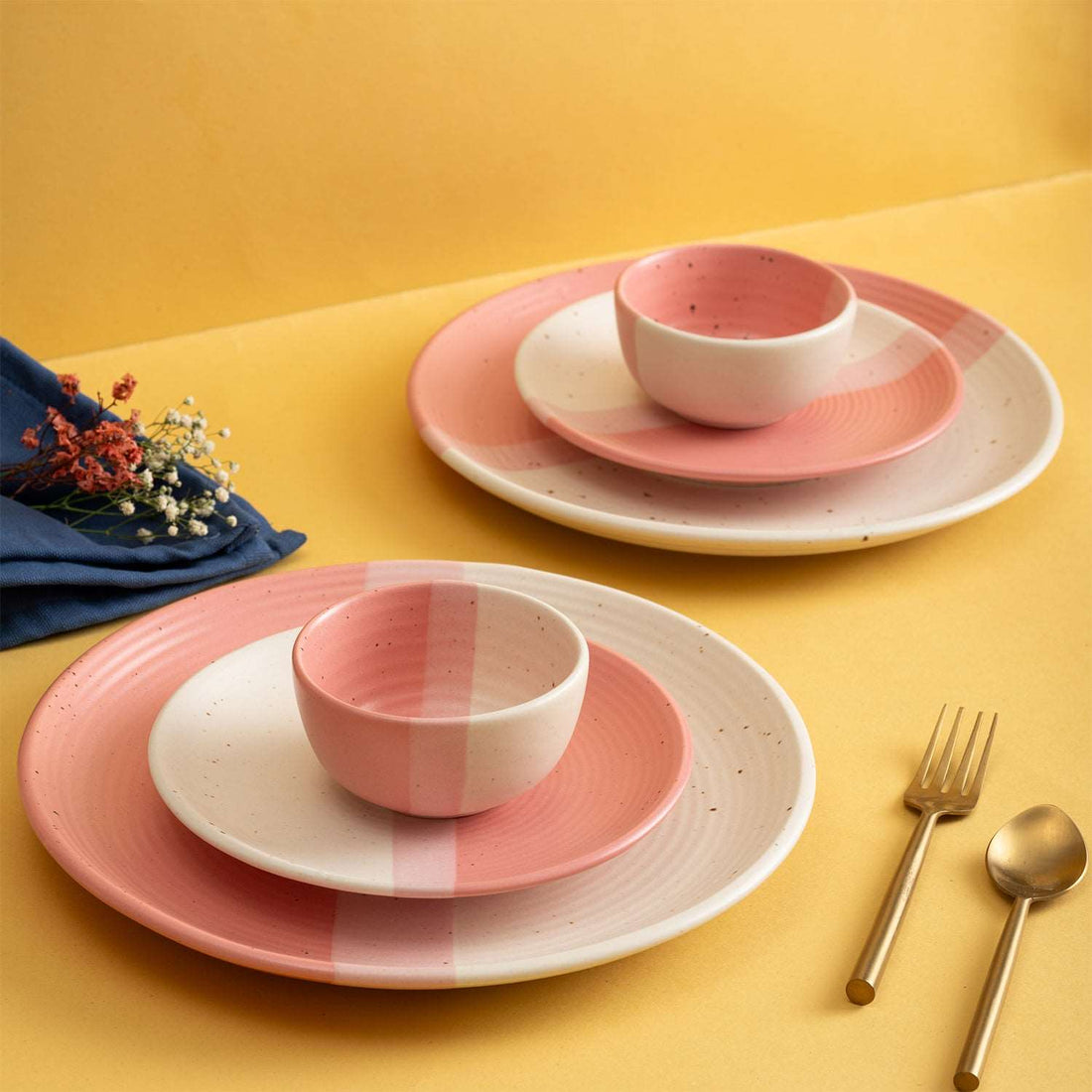
Matching Ceramic Dinnerware With Your Kitchen Style
Dinnerware often becomes part of the overall kitchen aesthetic, especially when open shelves or glass cabinets are involved.
Neutral ceramic dinnerware colors like beige, ivory, grey, and muted blue tend to work well with most interior styles. These shades feel timeless and pair easily with different table settings.
Textured finishes are another growing trend. Subtle speckled patterns or slightly uneven edges give ceramic dinnerware a handcrafted look that many people appreciate.
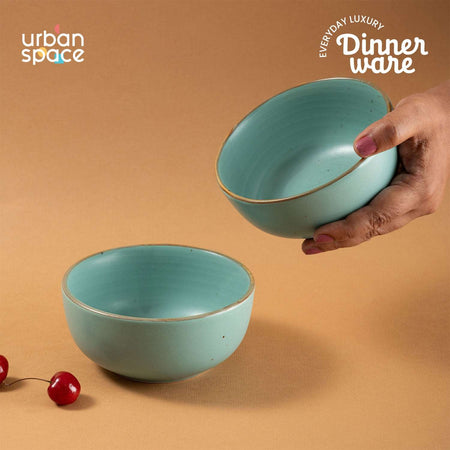
Even the shape of ceramic bowls can influence the visual appeal of your table. Slightly curved or organic shapes tend to feel more relaxed compared to perfectly symmetrical forms.
Some emerging home décor brands have also begun blending modern design with traditional craftsmanship. You’ll occasionally come across thoughtfully designed ceramic dinnerware pieces from labels like Urban Space, which aim to balance everyday practicality with aesthetic appeal.
Everyday Maintenance Tips
One of the biggest advantages of ceramic dinnerware is how easy it is to maintain.
Unlike delicate glassware, most ceramic pieces can handle regular use without requiring special care. However, a few simple habits can help extend their lifespan.
Avoid sudden temperature changes, such as moving ceramic dinnerware directly from the refrigerator to a very hot microwave. Gradual temperature changes prevent stress on the material.
Stack plates carefully to avoid chipping along the rims. Even durable ceramic dinnerware can develop minor chips if stacked roughly.
For ceramic bowls that hold strongly colored foods like turmeric-based curries, rinsing soon after use helps prevent staining.
With basic care, a well-made ceramic dinnerware set can last for many years without losing its visual appeal.
Why Many People Are Switching to Ceramic Dinnerware
Over time, many households that previously used melamine or plastic tableware eventually transition to ceramic dinnerware.
The reasons vary. Some people prefer avoiding synthetic materials for everyday meals. Others simply appreciate the more refined look that ceramic pieces bring to the table.
Ceramic dinnerware also photographs beautifully, which has made it increasingly popular among people who enjoy sharing food or home styling on social media.
More importantly, it strikes a balance between practicality and visual warmth. A table set with ceramic plates and ceramic bowls feels inviting without appearing overly formal.
For families who cook regularly and enjoy gathering around the table, that balance makes a noticeable difference.
Final Thoughts
Choosing ceramic dinnerware for everyday use isn’t just about appearance. The right set should feel comfortable, durable, and versatile enough to handle everything from quick weekday meals to relaxed weekend gatherings.
By paying attention to glaze quality, weight, bowl depth, and overall design, you can find ceramic dinnerware that fits naturally into your daily routine.
And while trends in tableware continue to evolve, ceramic remains one of those timeless materials that rarely goes out of style. Whether you’re serving a simple home-cooked meal or hosting guests, thoughtfully chosen ceramic dinnerware and well-crafted ceramic bowls can quietly elevate the entire dining experience.
