How to Choose the Right Autoclave and Sterilization Equipment for Your Hospital or Clinic?
Author : HitokaCece HitokaCece | Published On : 15 Jul 2026
Introduction
Over the years in the medical equipment industry, I have seen countless hospitals and clinics struggle with one critical challenge: selecting the right autoclave for their sterilization needs. The wrong choice leads to inadequate sterilization, instrument damage, compliance failures, and increased risk of healthcare-associated infections. Healthcare-associated infections cost U.S. hospitals an estimated $28.4 billion annually. The right autoclave, however, delivers reliable sterilization, protects patient safety, and provides years of dependable service. Having worked with hospital administrators and facility managers across multiple regions, I have learned what separates a successful autoclave investment from an expensive mistake. In this article, I want to share those lessons with you.
Autoclave Sterilization Principles and Technology Standards
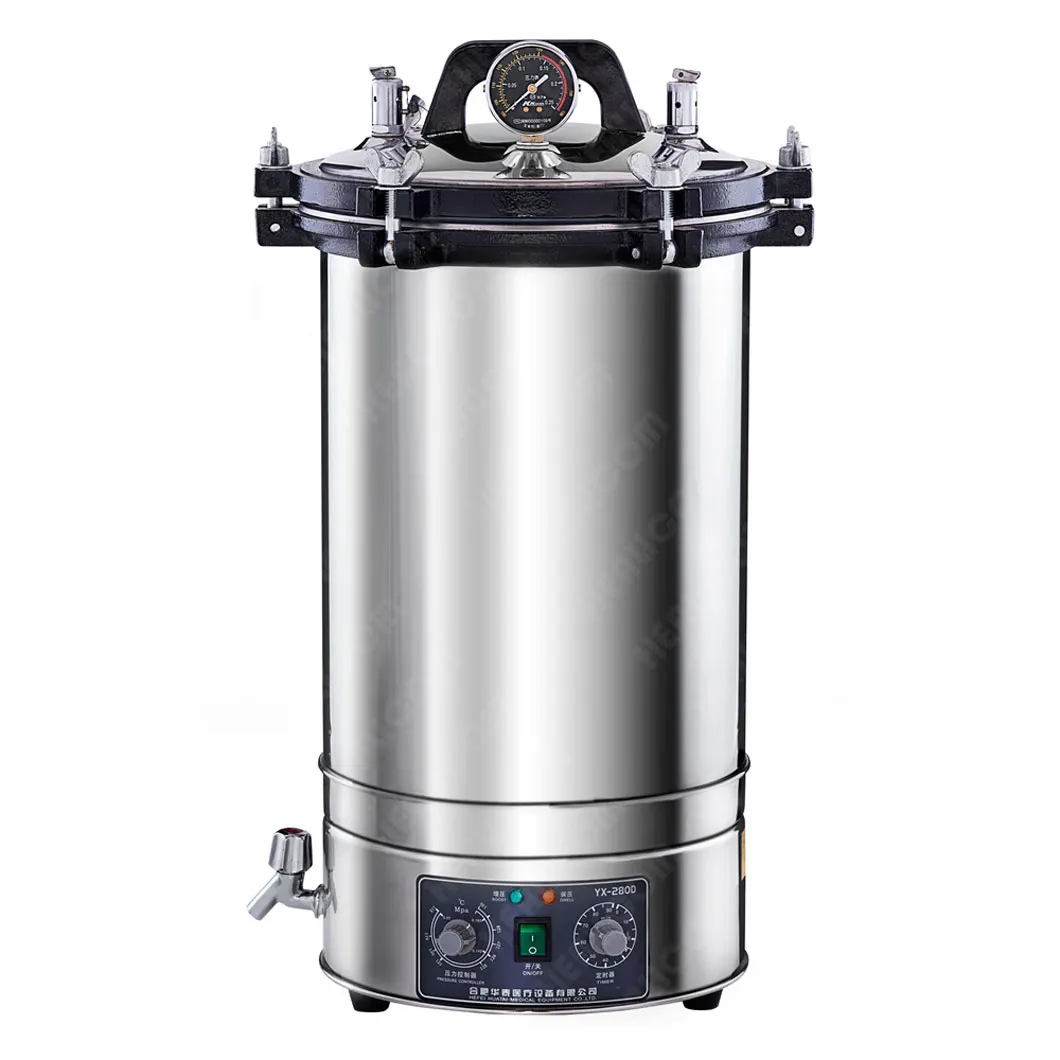
The foundation of any smart autoclave selection is understanding the principles of steam sterilization and the applicable technology standards. An autoclave is a high-pressure steam sterilizer that uses saturated steam at temperatures of 121–134°C (250–273°F) and pressures of 15–30 psi to completely eliminate bacteria, viruses, fungi, bacterial spores, and even prions. This method is one of the most reliable for eliminating all forms of microbial life on medical instruments and materials. The autoclave achieves these temperatures through steam under pressure that destroys microorganisms. When evaluating autoclave options, look for systems that comply with international standards including ISO 13485 and CE certification. The autoclave should also feature validated sterilization cycles with appropriate temperature, pressure, and time parameters for different load types. I have worked with facilities that purchased autoclaves without verifying compliance with relevant standards and faced regulatory challenges during inspections. Verifying standards compliance and understanding sterilization principles is not optional—it is essential for patient safety and regulatory compliance.
Autoclave Classifications and Application Matching
Autoclaves are classified into different categories based on their design and intended use. Class B autoclaves are the gold standard for hospitals and surgical centers, featuring vacuum-assisted air removal that enables sterilization of wrapped instruments, porous loads, and hollow items. Class S autoclaves are suitable for specific load types and are often used in smaller clinics. Class N autoclaves are gravity-displacement units designed for unwrapped solid instruments only. When selecting an autoclave, the classification must match your clinical needs. For a hospital central sterile supply department processing hundreds of wrapped surgical trays daily, a large-capacity Class B autoclave with double-door pass-through configuration is essential for workflow efficiency and infection prevention. For a small clinic performing basic procedures, a tabletop Class B or Class S autoclave may be sufficient. The choice between single-door and double-door configurations also affects workflow—double-door units allow loading from the dirty side and unloading from the clean side, maintaining separation between contaminated and sterile areas. I have worked with facilities that chose the wrong classification for their needs and experienced workflow bottlenecks and sterilization failures. Matching the autoclave classification to your specific application is essential for reliable sterilization and operational efficiency.
Autoclave Validation, Documentation, and Regulatory Compliance
The third critical factor in autoclave selection is validation, documentation, and regulatory compliance. A high-quality autoclave is meaningless without proper validation and documentation processes. Each sterilization cycle must be validated to ensure it achieves the required sterility assurance level. This requires biological indicators, chemical indicators, and physical monitoring of temperature, pressure, and time parameters. The autoclave should include built-in data logging and documentation capabilities that simplify compliance with regulatory requirements. For hospitals subject to accreditation and inspection, comprehensive documentation of sterilization cycles is essential. The ability to generate cycle reports, track load contents, and maintain records for regulatory review should be a key consideration in autoclave selection. I have worked with facilities that invested in high-quality autoclaves but neglected validation and documentation, resulting in failed inspections and costly remediation. Prioritizing validation and documentation from the start ensures your investment delivers reliable sterilization and regulatory peace of mind.
Conclusion
Choosing the right autoclave for your hospital or clinic requires careful attention to sterilization principles and technology standards, classification and application matching, and validation, documentation, and regulatory compliance. By understanding the science of steam sterilization, matching the autoclave classification to your clinical needs, and prioritizing validation and documentation, you can achieve reliable sterilization that protects patient safety and meets regulatory requirements. In an industry where infection prevention is paramount and regulatory scrutiny is increasing, the right autoclave is not just a piece of equipment—it is a critical investment in patient safety and operational excellence.
