How to Choose the Best Golf Cart for Commercial Use
Author : destino kart | Published On : 26 May 2026
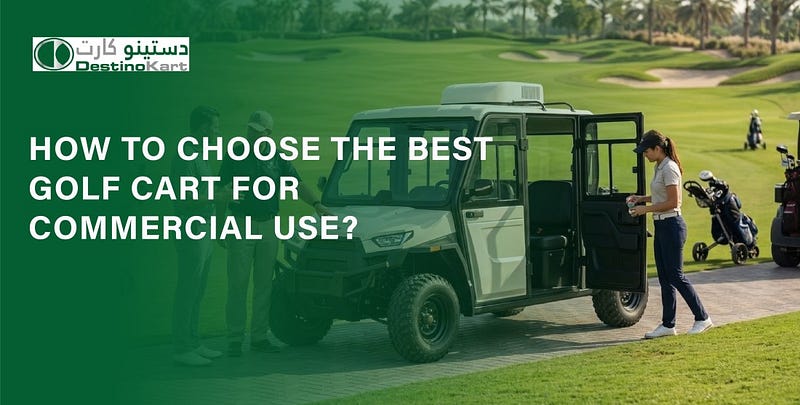
Commercial golf carts are used in hotels, resorts, campuses, warehouses, security patrol, and maintenance work, so the right model should handle repeated daily use with minimal downtime. If your operation needs to move people and equipment efficiently, look for a utility-focused cart rather than a basic recreational model.
1) Define the job first
Start by deciding what the cart will do every day. A cart for resort guest transport needs seating comfort and smooth ride quality, while a cart for industrial work should prioritize cargo space, towing ability, and rugged construction. If the cart must serve multiple roles, choose a flexible utility model with configurable seating or a flatbed/cargo setup.
2) Choose the right power type
Electric Golf carts are often preferred for commercial use because they are quiet, low emission, and suitable for indoor or sensitive environments like hotels, warehouses, and campuses. Many commercial buyers favor lithium battery systems because they support longer daily operation and reduce charging interruptions. Gas carts can still make sense for heavy-duty work, long distances, or operations where fast refueling matters, but they usually require more maintenance and create more noise.
3) Check load and capacity
A commercial cart should comfortably handle the maximum number of passengers or the heaviest cargo you expect to carry. Businesses often need higher weight capacities, expanded seating, and towing capability, especially in maintenance, construction, and facility support work. Always compare the cart’s payload rating with your real workload, not just its seating count.
4) Match terrain and environment
Flat paved routes need different features than rough paths, slopes, or mixed indoor outdoor use. For uneven terrain, prioritize stronger suspension, stable handling, and tires suited to the ground surface. If the cart will be used outside in wet or dusty conditions, corrosion-resistant frames and durable components are especially important.
5) Prioritize safety and comfort
Commercial carts should include dependable brakes, good visibility, stable handling, and basic safety features such as seat belts and anti-slip flooring when applicable. For passenger-facing businesses like resorts or campuses, comfort also matters because it affects the customer experience and overall service quality. A quieter cart with ergonomic seating and smooth suspension often performs better in hospitality settings.
6) Evaluate maintenance and support
A good commercial cart is only valuable if it stays on the road. Look for brands with strong dealer networks, easy access to parts, and service support, since downtime can affect business operations. Well-known commercial brands such as Club Car, Yamaha, and E-Z-GO are often recommended because they are widely used in fleet and utility settings.
7) Consider total cost of ownership
The cheapest cart upfront is not always the cheapest over time. Compare battery replacement cycles, charging costs, maintenance needs, repair availability, and resale value before deciding. In many commercial cases, a higher-quality cart saves money because it lasts longer and spends less time out of service.
Best Features to Look For
Here are the most useful features for commercial buyers:
• Lithium battery system for longer runtime and faster charging.
• Strong cargo bed or towing capability for utility work.
• Higher passenger capacity for shuttle and hospitality use.
• Durable frame and suspension for demanding conditions.
• Reliable dealer and parts support for maintenance continuity.
Recommended Commercial Categories
Different industries need different cart types:
• Hospitality and resorts: passenger-focused electric carts with comfortable seating and quiet operation.
• Warehouses and factories: utility carts with cargo beds, towing capability, and zero-emission options.
• Security and campus patrol: versatile multi-seat carts with range, durability, and practicality.
• Construction and maintenance: heavy-duty utility models designed for rugged use and higher payloads.
Conclusion
The best commercial golf cart is the one that fits your actual workload, terrain, and operating environment. If you choose based on capacity, battery performance, durability, and after-sales support, you will get a cart that works harder, lasts longer, and costs less over time.
