How to Choose Mud Pump Parts for Demanding Drilling Operations
Author : HitokaCece HitokaCece | Published On : 17 Sep 2026
Understanding the Role of Mud Pump Components
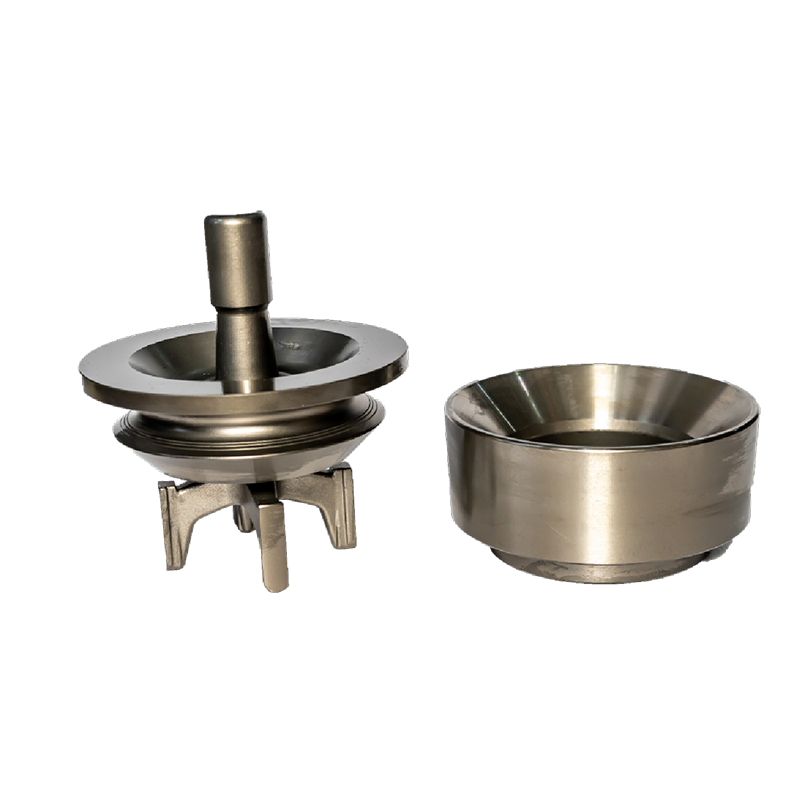
A mud pump is responsible for circulating drilling fluid through the wellbore, making the fluid end one of the most heavily stressed areas of the pumping system. Components such as valves, valve seats, liners, pistons, packing elements, and related fluid-end parts work together during every pumping cycle.
Because these components interact continuously, wear in one area can sometimes affect another. For example, a damaged sealing surface may increase leakage, while a worn valve seat can influence how effectively the valve controls fluid movement.
This means that replacement decisions should be based on the condition of the complete working system rather than on one component in isolation.
What Should Buyers Check Before Ordering?
Compatibility should be the first consideration when purchasing replacement mud pump parts. Pump models can differ in dimensions, component configuration, connection design, and material requirements. A replacement part that appears similar may not necessarily provide the correct fit or operating performance.
Procurement teams should collect as much equipment information as possible before requesting quotations. Useful details may include the pump model, part number, component dimensions, technical drawings, material requirements, and operating conditions.
Providing accurate information at the beginning of the purchasing process can help suppliers identify the appropriate component and reduce the risk of receiving an unsuitable replacement.
Material Selection and Operating Conditions
The operating environment has a major influence on component service life. Drilling fluids can contain abrasive particles that gradually wear working surfaces. Pressure fluctuations and repeated mechanical loading can create additional stress.
For this reason, material selection should be considered alongside the actual application. Depending on the component, buyers may need to evaluate properties such as wear resistance, toughness, corrosion resistance, and dimensional stability.
There is no single material that is suitable for every drilling environment. The right choice depends on the pump configuration, drilling fluid, pressure conditions, temperature, and expected operating cycle.
Components That Require Regular Inspection
Some mud pump components typically require closer monitoring because they are directly exposed to mechanical movement and fluid pressure.
Valve assemblies and valve seats should be inspected for visible wear, deformation, surface damage, or changes in sealing performance. Liners and pistons should also be checked for surface condition and abnormal wear patterns.
Packing and sealing components deserve attention as well. Leakage around the fluid end can indicate deterioration of sealing elements or problems with related components.
Instead of waiting for a complete component failure, maintenance teams can establish inspection intervals based on operating hours, historical wear, and drilling conditions.
Choosing a Supplier for Replacement Components
B2B buyers should evaluate more than the quoted unit price when comparing suppliers. Technical communication, product consistency, dimensional documentation, material information, production capability, and delivery arrangements can all affect the overall procurement process.
This is especially relevant when replacement components are required for older equipment or when buyers need alternatives to original components.
Companies researching oilfield equipment and replacement components can also review Julipetro as part of their supplier research when evaluating sourcing options for drilling-related equipment.
Building an Effective Spare Parts Strategy
Keeping critical replacement components available can help maintenance teams respond more efficiently to unexpected wear. However, maintaining excessive inventory can tie up capital and create unnecessary storage requirements.
A practical spare parts strategy should classify components according to equipment importance, replacement frequency, procurement lead time, and potential downtime impact.
Historical maintenance records can provide useful information. If certain components consistently require replacement after a particular operating period, procurement teams can use those records to establish more accurate inventory requirements.
Conclusion
Choosing mud pump parts requires a combination of equipment knowledge, technical verification, and procurement planning. Buyers should confirm compatibility, evaluate materials according to operating conditions, and consider expected service life rather than relying solely on purchase price.
With regular inspection and accurate maintenance records, drilling contractors can identify wear earlier and maintain a more predictable replacement schedule. A structured sourcing process can also help reduce procurement mistakes and support more reliable drilling equipment maintenance.
